Ask AgProud
Futuristic search is here.
No more endless scrolling. Just ask, and we’ll find the answers for you. Ask AgProud, an interactive search engine—specifically trained on our content—so you can rely on its accuracy and trust the results. Input your question below to start searching.
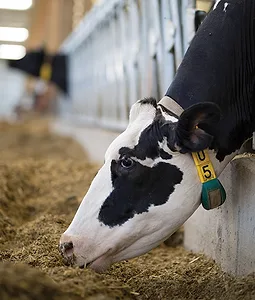
Cow‑monitoring systems bring a range of advantages that touch nearly every part of a dairy operation. According to Ag Proud’s reporting, the primary benefits include:
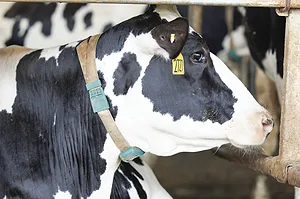
- Early health detection – Sensors track activity, rumination, lying time, and temperature 24 / 7, alerting managers to illness 12–48 hours before visible signs appear.
- Improved reproductive performance – Continuous heat‑detection data increase the number of cows on the breeding list, reduce the need for synchronization programs, and raise pregnancy rates.
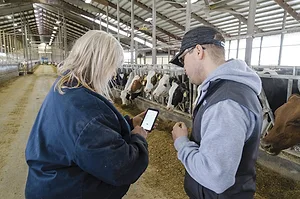
- Labor and operational efficiency – Automated lists and protocols let employees focus on cows that truly need attention, cut down on manual checks, and reduce the time spent on routine tasks such as tail‑chalking or sorting.
- Employee satisfaction and retention – Clear, data‑driven tasks lower frustration, reduce injury risk, and provide a learning tool that builds confidence and opens advancement opportunities.
- Data integration and decision‑making – Monitoring platforms can sync with herd‑management, feed‑management, and sort‑gate systems, giving a single dashboard that informs feeding, housing, and treatment decisions.
- Return on investment (ROI) – Farms that adopt the technology and adjust operating procedures see tangible gains in labor savings, lower treatment costs, higher milk quality bonuses, and faster payback periods.
These benefits collectively help dairies run more efficiently, keep cows healthier, and create a more positive work environment for staff.
Sources:
Disclaimer: The following content has been automatically generated by an AI system using ONLY past content published by Progressive Publishing. It is intended to provide general information. While Progressive Publishing and sponsors strive to deliver accurate and reliable content, this tool may not reflect the most current industry information. We recommend consulting with qualified experts prior to making decisions based on this content.
Question of the Week
Heat stress in livestock and farmworkers begins when the temperature-humidity index (THI) climbs above 68. Mild heat stress is triggered when THI is greater than 68, and higher THI values quickly reduce feed intake, milk yield, and reproductive performance. To stay ahead of heat stress, farms can adopt a multi-layered proactive strategy:
| Category | Practical actions (past‑tense description) |
|---|---|
| Monitoring | Dairies and ranchers tracked THI in real time, using automated alerts and trend charts to spot rising heat levels before symptoms appeared. |
| Acclimatization | Workers and livestock were gradually exposed to higher temperatures over 4–14 days, increasing work intensity and duration slowly to build tolerance. |
| Hydration & nutrition | Water and electrolyte drinks were supplied continuously; feed intake was monitored for early drops, and feeding times were shifted to cooler parts of the day. |
| Shade & airflow | Shade structures, fans, and sprinklers were installed or activated when THI rose above 68, reducing heat load on animals and workers. |
| Work scheduling | Strenuous tasks were scheduled for early morning or late evening when temperatures and humidity were lower. |
| Breaks & rest | Frequent rest breaks in cooler areas were enforced; workers were encouraged to listen for early signs of heat illness and to stop work if symptoms appeared. |
| Record‑keeping | Digital record‑keeping tools captured feeding patterns, body temperature, and activity levels, allowing producers to spot gradual changes before severe symptoms manifested. |
| Health checks | Routine checks for heat‑related symptoms (e.g., panting, drooling, reduced activity) were performed, and any signs were addressed immediately with cooling measures or medical care. |
By combining early monitoring of THI, gradual acclimatization, adequate hydration, shade, and smart scheduling, farmers and ranchers were able to prevent heat‑stress‑related losses in both livestock and human workers.