The loss of an Idaho dairy farmer to a sudden cardiac event was a sobering reminder of how quickly emergencies can happen in rural communities. It also highlighted a difficult reality: In rural areas, help does not always arrive as quickly as it is needed.

He was a dedicated producer and neighbor in the dairy community, someone whose commitment to his farm and family reflected the values shared by many in agriculture.
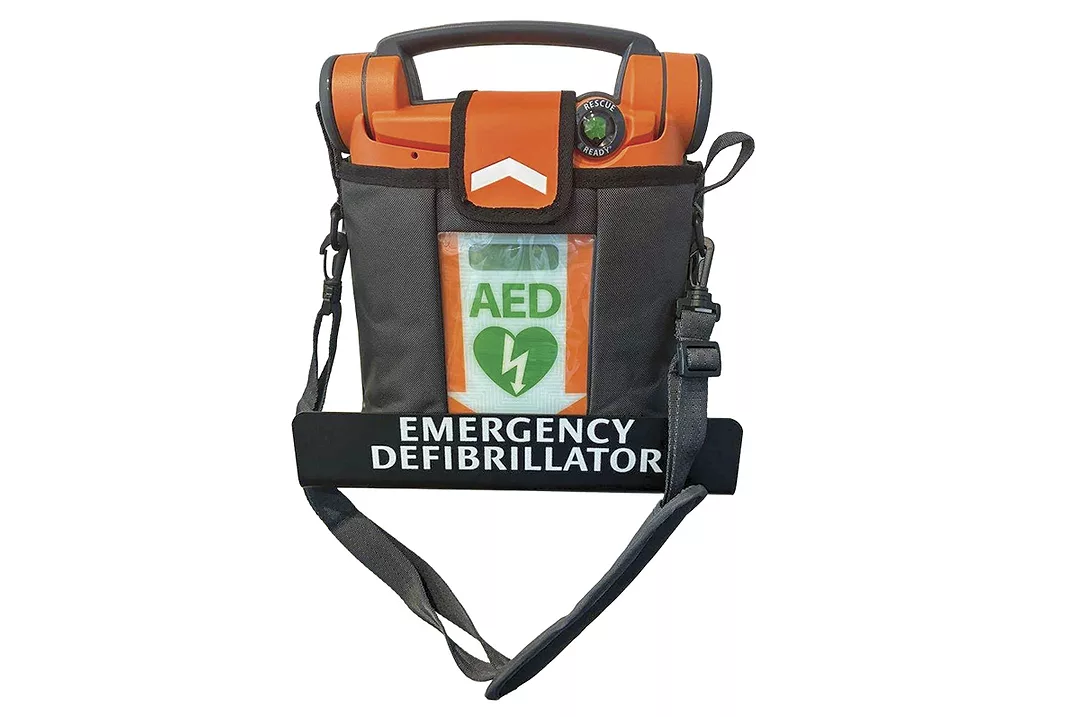
When the local volunteer emergency medical team arrived, they were ready to help. But they did not have access to an automated external defibrillator (AED), a critical tool that can make the difference between life and death during sudden cardiac arrest.
On many dairy farms, distance from town and longer emergency response times mean those first few minutes are even more critical.
Moments like this highlight the importance of being prepared. They also reinforce why Dairy West – the regional dairy checkoff serving Idaho, Utah, Oregon and Washington – launched an initiative to help dairy farms strengthen emergency readiness through access to AEDs and CPR training.
When minutes matter
Sudden cardiac arrest can happen without warning. It does not discriminate by age, position or physical condition. Survival rates drop by about 10% for every minute defibrillation is delayed.
Many dairies are located miles from emergency services. On a farm, that delay can be the difference between life and death.
Automated external defibrillators, or AEDs, are common in schools, airports and fitness centers. Historically, they have been far less common on farms. Dairy West saw that gap and took action by pairing on-farm AED placement with hands-on CPR training.
Equipment alone is not enough. Confidence and training are just as critical.
Training that reflects today’s workforce
A defining feature of the initiative is bilingual CPR and AED training offered in both English and Spanish. That decision reflects the reality of today’s dairy workforce.
Clear communication during a high-stress emergency is essential. By removing language barriers, the program increases confidence and empowers employees to act quickly.
Training sessions are practical and tailored to the dairy environment. Employees learn how to recognize cardiac emergencies, perform CPR and properly use an AED. These are skills that extend beyond the farm and into homes and communities.
Built for producers
This initiative was designed to work in real-world dairy settings.
AED units are placed directly on farms for rapid access. Training is scheduled to minimize disruption. Cost and logistics are addressed to reduce barriers to participation.
Modern AEDs are built to guide users with clear voice prompts and visual instructions. When paired with CPR training, even someone with no prior medical experience can step in and provide critical care while waiting for first responders.
For producers, that preparedness offers peace of mind.
Safety as leadership
The impact goes beyond emergency response. Investing in safety sends a clear message to employees: You matter.
Producers who participate report stronger engagement and trust among their teams. In a competitive labor market, that matters. It also strengthens overall risk management and reinforces a culture of professionalism.
In many cases, AED and CPR training has opened the door to broader conversations about safety, communication and preparedness across the operation.
A proactive approach to risk
Emergency readiness applies to dairies of every size, from family operations to large-scale facilities.
By combining equipment placement with bilingual training, Dairy West’s AED initiative represents a proactive approach. It moves beyond reacting to emergencies and instead prepares teams to respond with confidence.
Each AED installed and each employee trained represents more than a safety measure. It represents leadership.
In an industry built on stewardship of animals, land and people, taking care of the workforce is not optional. It is essential.
Dairy farmers who are interested in learning more about accessing an AED or participating in CPR training can contact Bryce Chambers.