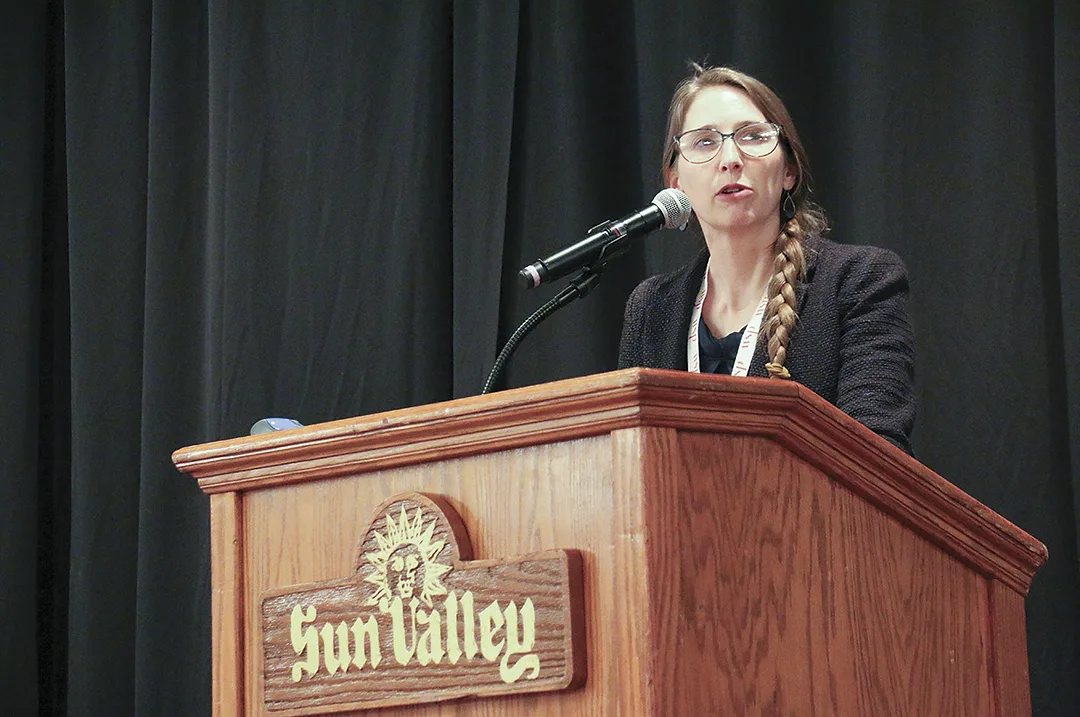
“It was the warmest winter on record since 1895,” said Erin Whorton, a hydrologist and water supply specialist with the USDA Natural Resource Conservation Service during the Idaho Water Users Association summer meeting in June.

The data come from 131 years of measurements, with the previous record set in 1934, nearly a century ago.
“This is the first time that any one of us in our lifetime has seen an event like this,” Whorton said. Although 2015 was a comparable low-snowpack year, this winter was a lot warmer, which led to the pervasive snow drought that was seen across the West.
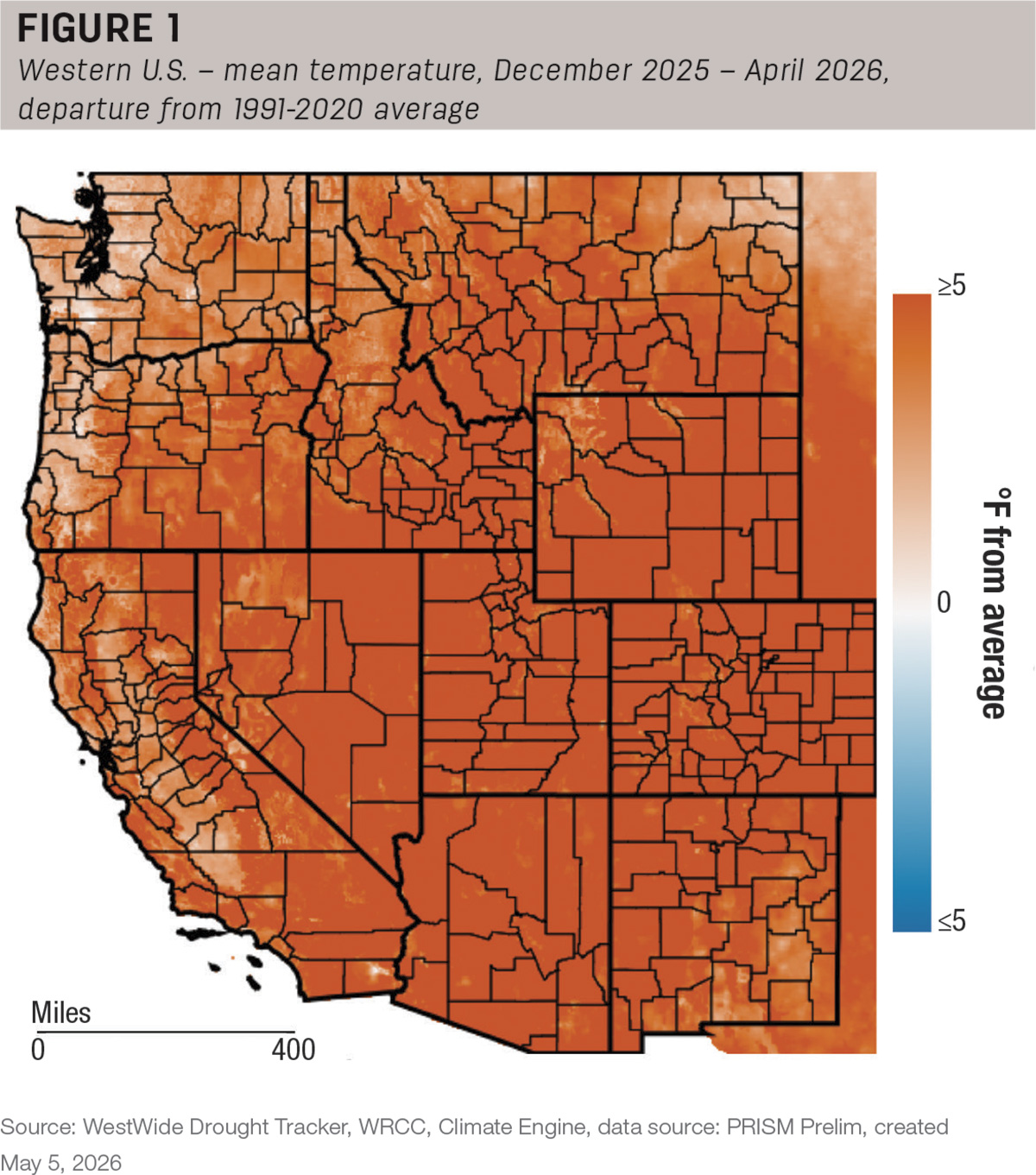
Idaho fared somewhat better than much of the West, largely because there was near- to above-normal precipitation across the state, and the headwaters of Pend Oreille in western Montana and of the Snake River in western Wyoming have high-elevation mountains where it was cold enough to snow. In contrast, many areas across the northern and western U.S. experienced below-normal precipitation, and temperatures were often too warm for snowfall, creating a double challenge for water supplies (Figure 1).
“While it’s really tempting to think about this as a very unique year and just a year we need to grit our teeth and get through, it’s very likely that warm winters like this are going to happen more frequently when we see how temperatures have been increasing slowly over time,” Whorton said. “The lessons we learn from this year’s challenges are going to be so important for managing water in the West in the future.”
Spring
“The final death blow to winter,” as Whorton described it, came with the record-setting heat wave in March. Citing the National Oceanic and Atmospheric Administration (NOAA) data, 1,432 counties – over half of the contiguous United States and one-third of the population – observed their single warmest March day on record, bringing winter to an end.
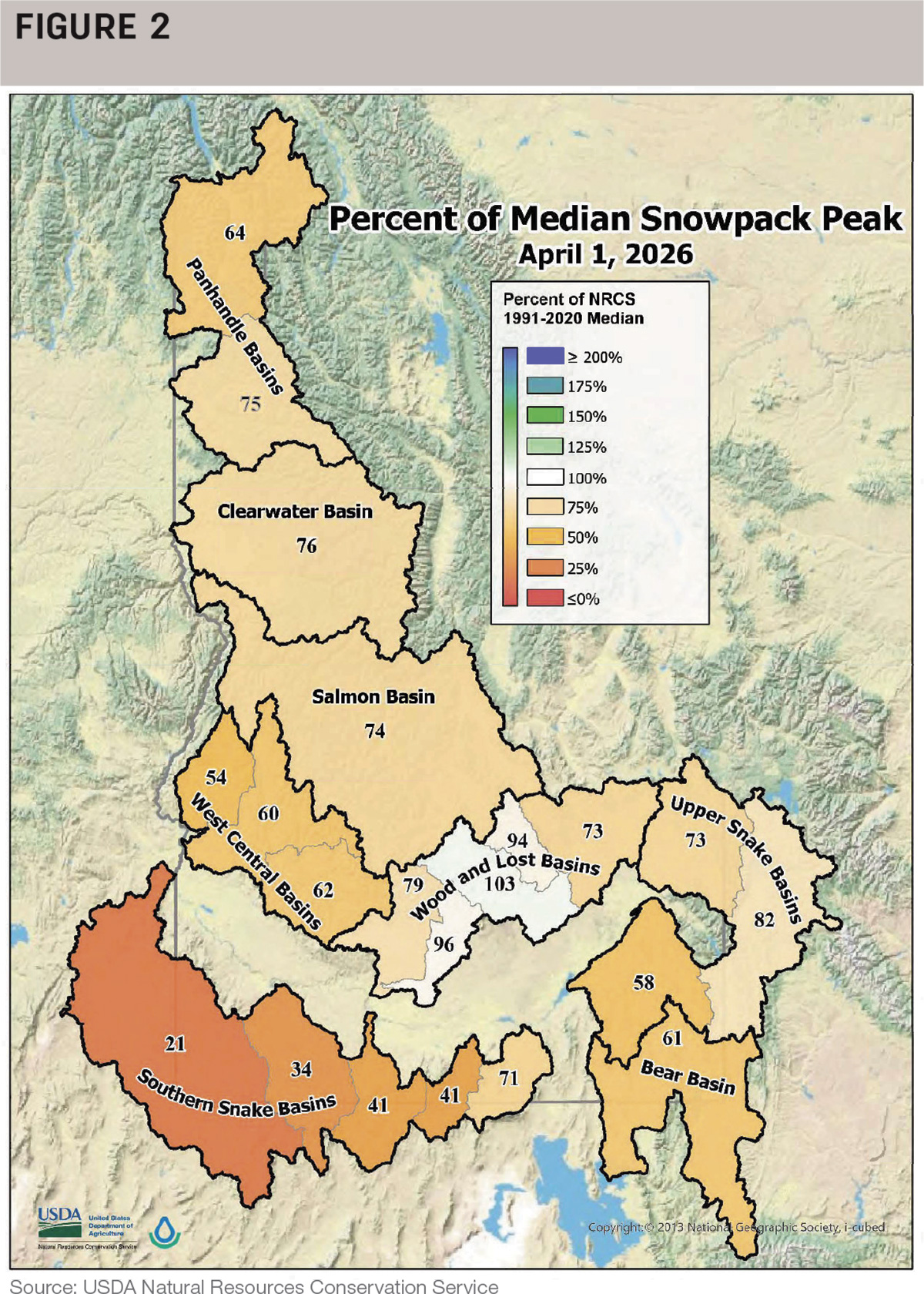
Statewide, Idaho’s snowpack peaked at just 68% of normal on March 17 – nearly three weeks earlier than the typical peak around April 5 (Figure 2). The unusually warm winter also left the snowpack much warmer than normal, triggering melt at elevations as high as 10,000 feet nearly one-and-a-half months earlier than average.
This led to a rapid increase in runoff that was unusual for the time of year. Normally, snowpack takes time to warm before significant melting begins. This year, however, the snowpack was already warm, allowing runoff to accelerate quickly once temperatures rose.
Reservoir systems
Reservoirs began filling much earlier than normal this year. According to Whorton, the Boise River system filled – or came very close to filling – which helped improve water supplies in the basin.
The areas hit hardest for water supply this year were south of the Snake River Plain, including the Owyhee, Salmon Falls, Bruneau and Oakley-Goose Creek areas. These areas entered the irrigation season with very low reservoir carryover and didn’t receive the precipitation needed over the winter to refill the reservoirs. “The Salmon Falls tract and Oakley region had very little reservoir carryover, so the water supply challenges in those areas are significant,“ Whorton added.
The areas that fared a little better across Idaho were the areas with higher-elevation mountains, including the Wood River and Lost River basins, and the Snake River headwaters above the Palisades Reservoir.
Streamflow
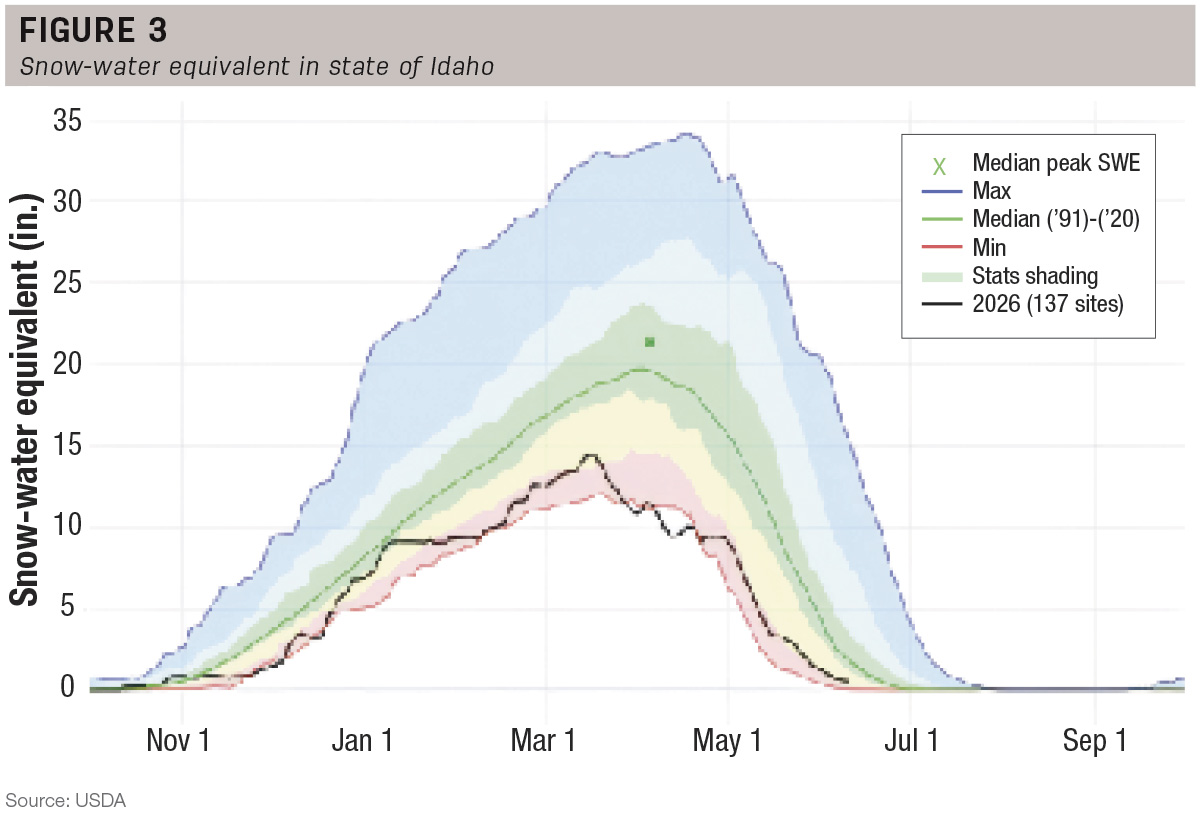
“The obvious impact is, if you have no snow, you get no flow,” Whorton said, noting that the lack of low- and mid-elevation snowpack has contributed to lower-than-normal peak streamflows. The early decline in streamflow is a result of high-elevation snowpack melting early, leaving less snow available to sustain streamflows into the early summer months.
Although streamflows appeared above normal in early May, Whorton reminds us that it was largely due to the unusually early runoff rather than an abundance of water, shifting runoff timing ahead of historical averages.
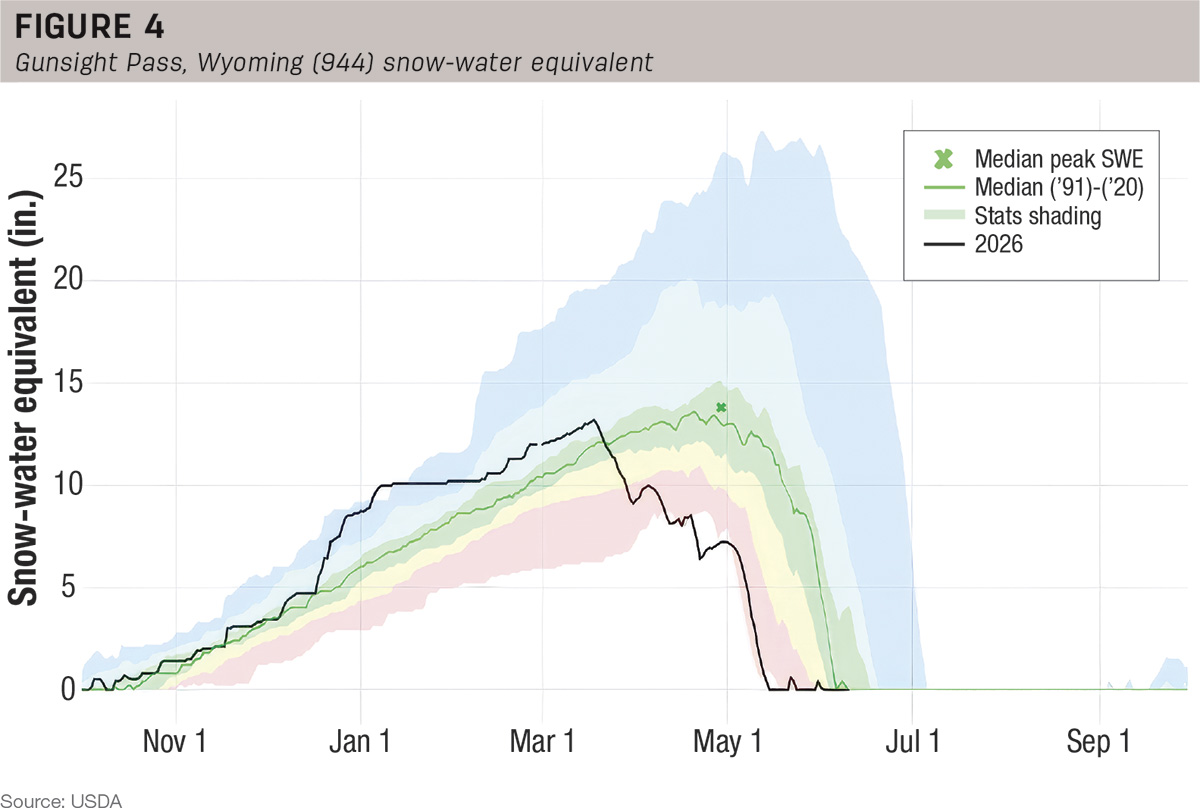
Whorton continued, “In the Upper Snake River, natural flow couldn’t meet irrigation demand in April, so that placed stressors on the reservoir storage system almost two months earlier than normal. The Upper Snake reservoir system started drafting nearly two months early to meet irrigation demand – and it’s dropping pretty rapidly.”
Forecast
Irrigation demand is expected to remain high due to above-normal temperatures this summer and an uncertain seasonal precipitation outlook.
Northern Idaho is currently in its fourth consecutive year of drought – an unprecedented stretch in the state’s recorded history. Although conditions will vary across regions, Whorton said Idaho will likely enter next year with low reservoir carryover, leaving next year’s water supply vulnerable. NOAA predicted there is a 96% chance that we will be in El Nino conditions over the December through February time period. El Nino winters are more often drier and warmer in Idaho.
“We are definitely facing potentially significant water supply challenges,” Whorton concluded. “Idaho is extremely resilient, and everybody in this room is very smart about managing water. We’ll get through it, and we’re going to learn lessons to get through other hardship years, and this year will help us do so.”