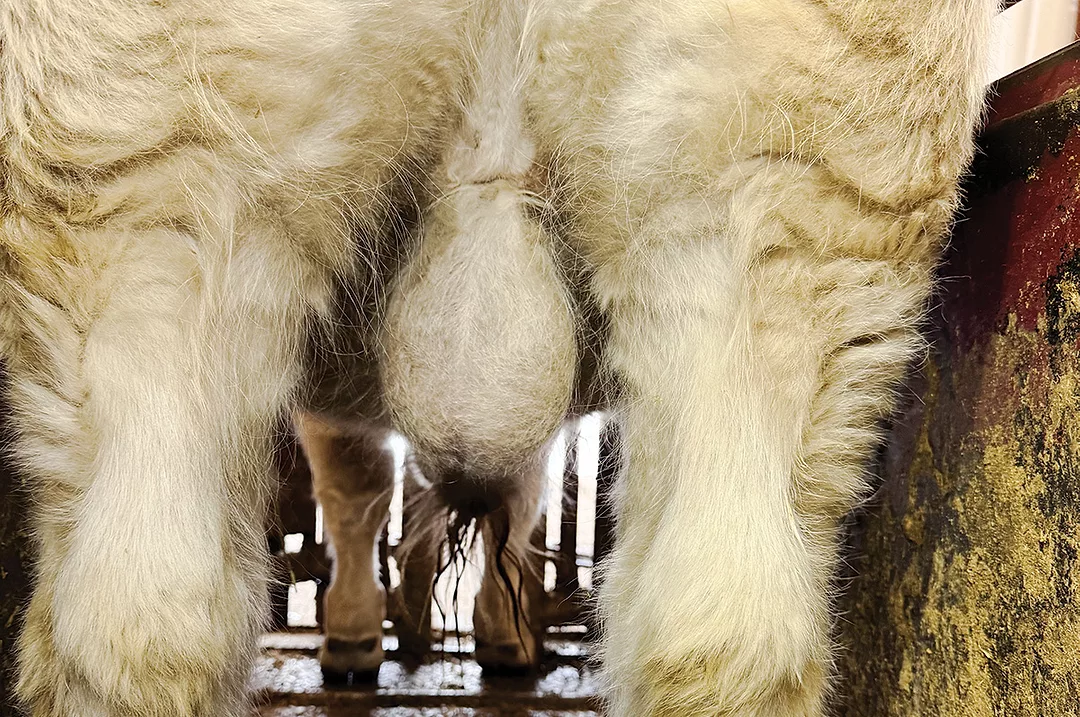
Castration of livestock is a management procedure that has been performed by livestock producers for many generations to reduce animal aggression, prevent unwanted breeding and improve meat quality. There are several methods that can be used to castrate animals depending on the species and age of the animal being castrated.


However, it has been established that no matter what the method being used, all castration procedures cause pain, as measured by stress responses in the animal. It also has been found that older calves have a more pronounced stress response, highlighting the need for castration to occur as early as possible in a calf’s life.
It is for these reasons that many quality assurance programs and codes of practice worldwide support castration at an early age and the use of pain control products. The available choices of pain control products have provided relatively short durations of pain relief to the animal, lasting from several hours to several days; however, the pain persists beyond this time frame, leaving the animal without pain control for potentially weeks until the scrotum is cast from the animal.
The industry has been looking at ways to extend the duration of pain relief beyond the current timelines with an easy and practical tool. That’s where Lidobands come in. They are the brainchild of Merle Olson at Alberta Veterinary Laboratories (AVL) and Nick Allan at Chinook Contract Research (CCR), both located in Alberta, in collaboration with the Lakeland College Applied Research team and other research institutions, producers and producer organizations such as Alberta Beef Producers and Alberta Lamb Producers, and funders such as Results Driven Agriculture Research (RDAR). These partnerships ensure that solutions are grounded in rigorous research and tailored to meet the evolving needs of producers and veterinarians.
Lidobands are small castration bands similar to those that are commonly used to castrate very young calves; however, they have lidocaine impregnated into the latex band. In research trials with calves, the lidocaine from the applied bands reached therapeutic levels in the calf’s tissue within two hours. These therapeutic levels remained in the scrotum tissue for at least 28 days after the band application. This is a good start at addressing longer-term pain in the castration process.
After developing the Lidobands for application on young calves, research has expanded into larger bands. The larger Tri-Bands (for use in calves up to 350 pounds) and XL Bands (250 to 750 pounds) have been on the market for the older bull calves that may slip through the cracks and are still intact at weaning or for purebred herds that want to evaluate bull calves at weaning or later before culling. The larger bands are designed for these situations.
Currently with funding from RDAR, AVL and CCR, in collaboration with Lakeland and Olds College, we are evaluating feeding behaviour – such as the time to first feeding post-band application – as a measure of pain, to see if the calves with the Lidobands start eating more quickly after castration compared to the control calves. Also, we are measuring feed intake and average daily gain (ADG) of the castrated calves to see if the ones with the Lidobands eat and gain more weight compared to the control calves.
These measurements, in addition to the pain relief, are important to producers, providing them with production efficiencies they can take to the bank. Cattle that stay on feed and don’t stop eating because of pain are also likely to remain immunocompetent and are able to fight off disease challenges they may encounter. They also respond better to any vaccinations they receive during the castration period, until the testicles are cast. This study includes 100 bull calves castrated with either the Tri-Bands or XL Bands with or without lidocaine. In addition to performance, calves are receiving wound inflammation and healing assessments and salivary cortisol measurements to assess stress levels.
Remember to talk to your veterinarian about using vaccine protection against tetanus in your cattle whenever you are creating a wound with castration.
At the time of this publication, Canadian livestock producers who would like to use the Lidoband products must contact their veterinarian to order them. Registering the product for sale in Canada is currently underway.
Lidobands will provide another pain relief tool in producers’ toolboxes to help manage longer-term pain associated with castration and can be used with existing products to cover both short- and longer-term pain. Talk to your veterinarian to see how they might fit into your operation.