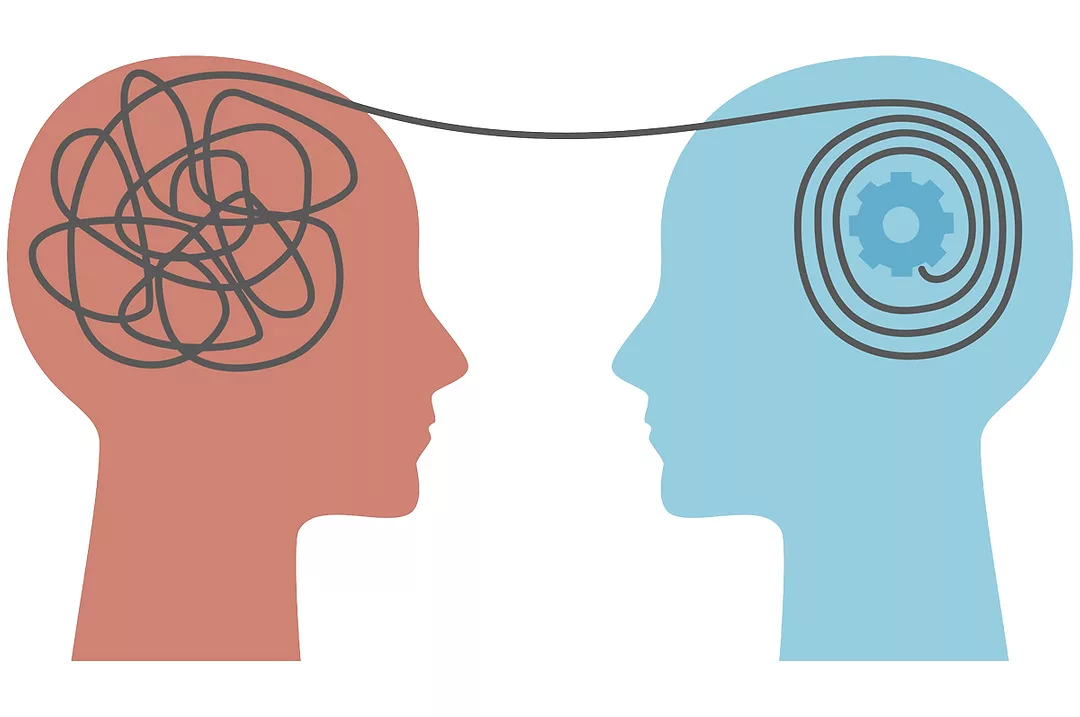
The Idaho Farm Stress Team was introduced in a recent Ag Proud – Idaho article as part of a network supporting farm and ranch mental health across the Western states. The team is working to normalize mental health discussions by increasing awareness of signs and effects of chronic stress, reducing stigma associated with talking about mental health, and encouraging farmers to recognize and respond to stress-related behaviors in themselves and others. The article discussed the importance of intentionally naming the people in your life whom you can trust and talk with about difficult or sensitive topics. After you’ve determined who you can have difficult conversations with, you can focus on how you will have those interactions.


In a column published in the Idaho Grain Magazine, a farmer/clinical counselor described the difficulty he experienced in admitting the need for help. He too emphasized the importance of intentionally seeking out those you are willing to share your struggle with. Having difficult conversations is one way to break down the stigma, or negative feelings, associated with mental health struggles, especially since these conversations continue to be sensitive topics for many farmers and ranchers.
Kerry Patterson, author of Crucial Conversations, shares that conversations become difficult when three elements are involved: high stakes, opposing opinions and strong emotions. When it comes to telling someone you are struggling, all three of these components exist. The stakes are high because you are sharing your struggle, you may face opposing opinions because of stigma or misunderstanding, and either person in the conversation could experience strong emotions such as guilt, sadness, fear or even anxiety. Although these conversations may be difficult, it is still important to have them.
Healthy communication can be defined in many ways, but in general, all these ways include three main themes: clarity, respect and promoting understanding. Making sure you are building healthy communication habits, especially surrounding topics like your mental health, doesn’t just happen. It is a skill that is learned by practice and planning. In Emotional Intelligence 2.0, Terry Bradberry discusses several factors to consider and steps to take for a respectful interaction around a sensitive issue.
Before
Before starting what may be a difficult conversation, plan out when and where you want to have the conversation. Timing matters, so try to schedule a time that isn’t stressful or busy. You wouldn’t expect an accountant to be readily available during tax season, or a rancher during calving or a farmer during harvest. You can also create a more supportive environment for a productive talk by choosing a place that feels comfortable, safe and private.
During
During the conversation, there are things you can do to help promote understanding, build trust and provide validation. Start by keeping the conversation focused on present concerns. Bringing up past problems or mistakes is generally a distraction that pulls your dialogue off topic. Listen with intent to understand the perspective of the other person and be willing to explain your perspective as well. Communication doesn’t just come from what we say but how we say it. Our body language, facial expressions and tone of voice convey a great deal of information before a word is ever spoken. Using “I” statements to express feelings shows accountability and can provide a positive way for others to understand without becoming defensive. It is important during a hard conversation to take responsibility for and manage your own emotions. Offer suggestions or a plan for moving forward. Remain informed about resources available in your community and online for mental health issues, and be ready to use or share what you’ve learned. Gather information on services in your area – support groups, helplines, mental health agencies and programs, etc. – so you can encourage helpful next steps.
After
After the conversation, it is important to make sure that you validate the relationship with the person. If appropriate, share that you care for them, you love them and show appreciation for their willingness to talk. Ending a difficult conversation can feel awkward, but how you “repair” after talking can help ease this awkwardness. John Gottman, a renowned researcher in family relationships, says that repair after difficult conversations is acknowledging that it was hard and then doing something to move on. This can be as simple as laughing together, making a coffee for someone to show you are on the same team or another small gesture that basically shows “we’ve got this” to the person you were talking with.
Healthy communication, especially surrounding difficult topics with families, close friends and colleagues, can seem daunting to build. However, if you work to tackle difficult conversations early, plan for the best and build an approach that reflects trust and respect, you can create a pattern that reduces your stress, promotes understanding and builds positive relationships.
Lance Hansen, Bracken Henderson, David Callister, Selena Davila and Klae O’Brien (University of Idaho Extension Farm Stress Management Team) assisted with this report.
References omitted, but are available upon request by sending an email to the editor.