We use cookies to provide you with a better experience. By continuing to browse the site you are agreeing to our use of cookies in accordance with our Cookie Policy.
Most calving systems are based on learned experience, advice from industry peers, location, climate conditions and available resources and facilities. Some more popular methods might require different management strategies but offer unique benefits.
Cow-calf producers often rely on calving systems shaped by their own experience or from the trusted advice of respected peers within the industry. These approaches can be highly individual and reflect a wide range of influencing factors, including regional climate conditions, herd size, available facilities and management goals.
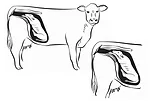
A backward (posterior) calf presentation at delivery can be a worrisome situation, but with planning, the right equipment and a safe process, giving that backward newborn a forward start in life is virtually assured.
Most calves are born as nature intended, but some are determined to enter the world facing the wrong direction. For these occasional events, it’s critical to understand the anatomical and timing challenges presented.
Switching from a local database to a cloud-based data management system makes sense on multiple levels for cattle feeders. Recent technological improvements have made this practice much more beneficial, efficient and secure.
Collecting and recording cattle health and production data is a worthwhile endeavor, but even more important than where to store it is ensuring it’s of high quality. To meet this standard, it should be confirmed, useful and actionable for producers and experts alike to deliver the right information at the right time.
Time has a way of flying by, and as summer quickly approaches, cow-calf pairs are being readied for transport to pasture. Today’s nutritional and health strategies are important, but plans hopefully began long ago.
The calendar never lies. While it may feel like New Year’s celebrations have scarcely fizzled, the calf crop is on the ground, the winter feed supply is dwindling, and patches of green grass are beckoning.
Often, the occurrence of weak newborn calves is pinned on the mother cow or inclement weather. However, producers can decrease the incidence of this problem by focusing on yearlong cow nutrition.
Weak calf syndrome is exactly as it sounds; newborn calves are born weak, fail to thrive and often never get up to nurse. This is not a new phenomenon, and the industry has been combating it for decades.
In perfect conditions, calves don’t need our help to get off to a good start during their first days of life. However, perfect conditions are rarely present every day of the calving season. Prepare now to properly help these calves if and when it’s necessary.
The first 24 to 48 hours of a calf’s life can spell the difference between a calf that thrives and grows with minimal intervention on our part and a calf that always seems to be behind the eight ball, lagging behind its herdmates and requiring more care and treatment to keep it going.
Knowing how to properly supplement newborn calves can make all the difference. With the help of your veterinarian, you can formulate a plan to get those calves up and moving.
As calving season progresses, we hear of miracle remedies that will get an unthrifty calf up to snuff in no time. Whether oral or injectable, it’s good to understand what the active ingredient in the “cocktail” is that may – or may not – give the calf a boost.
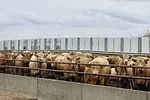
The needs of feedlot cattle are different in the winter months than during the warmer months. Follow these guidelines to help your cattle be at their most efficient during cold weather events.
The winter months and routinely low air temperatures present unique challenges for feedlot cattle, particularly in terms of maintaining health and productivity. Cold temperatures, fluctuating weather conditions and increased feed requirements can induce stress in cattle and result in health complications.
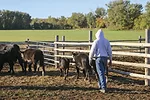
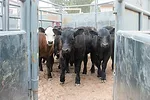
A key element of low-stress cattle handling is taking charge of things you can control when working cattle to make the experience safe and hassle-free.
December 9, 2024
Low-stress handling is a stockmanship practice that incorporates the understanding of the herd’s natural behaviors as it relates to movement and more positive management.
Zoonotic diseases – also known as zoonoses – are caused by germs that spread between animals and people. No matter where people come into contact with animals, harmful germs are sometimes carried by animals.