When it comes to food safety and sustainability, portable sanitation is crucial for compliance with Good Agricultural Practices (GAP). Proper restrooms, hand-washing stations and routine sanitation maintenance not only reduce the risk of contamination but also safeguard farmworkers and consumers. Without the right knowledge, the importance of these measures often goes unnoticed, potentially leading to overlooked steps in preventing foodborne illnesses.

GAP provides voluntary guidelines that help farmers produce safer, higher-quality products while minimizing contamination risks from planting through postharvest handling. These practices cover various aspects of agricultural production, including soil and water conservation, crop management, pest control, sanitation for farmworkers and the responsible use of agricultural inputs. By following GAP, farmers can reduce foodborne disease risks, strengthen consumer confidence and promote environmental sustainability.
While GAP certification is not mandatory, many producers pursue it to address consumer, supplier and retailer concerns about food safety, which can expand market opportunities and enhance a farm’s standing in the agricultural sector.
The importance of portable sanitation in agriculture
Sanitation provision is a basic need for workers, consumers and the general public. Proper restrooms and hand-washing stations are crucial for reducing the spread of diseases among farmworkers. When workers lack proper facilities, they may wash their hands inadequately, posing a risk to produce. Contaminated fruits and vegetables can lead to foodborne pathogens such as E. coli, salmonella and listeria, affecting consumer health and potentially causing recalls for farms and companies in the food chain. Effective portable sanitation can decrease contamination risks during harvesting and processing, safeguard the workforce and improve production systems.
Regulatory requirements
Both the USDA and OSHA have established sanitation standards for agricultural environments.
- OSHA Field Sanitation Standards: These rules dictate that employers should provide one toilet and hand-washing facility for every 20 workers. Stations must be easily located and well lit, with adequate cleanliness and amenities such as toilet paper, portable water, soap and disposable towels.
- USDA GAP: These state that sanitation facilities must be located and maintained appropriately to avoid cross-contamination. A good location for centers should prevent contact with produce fields and water sources.
Key components of GAP-compliant portable sanitation
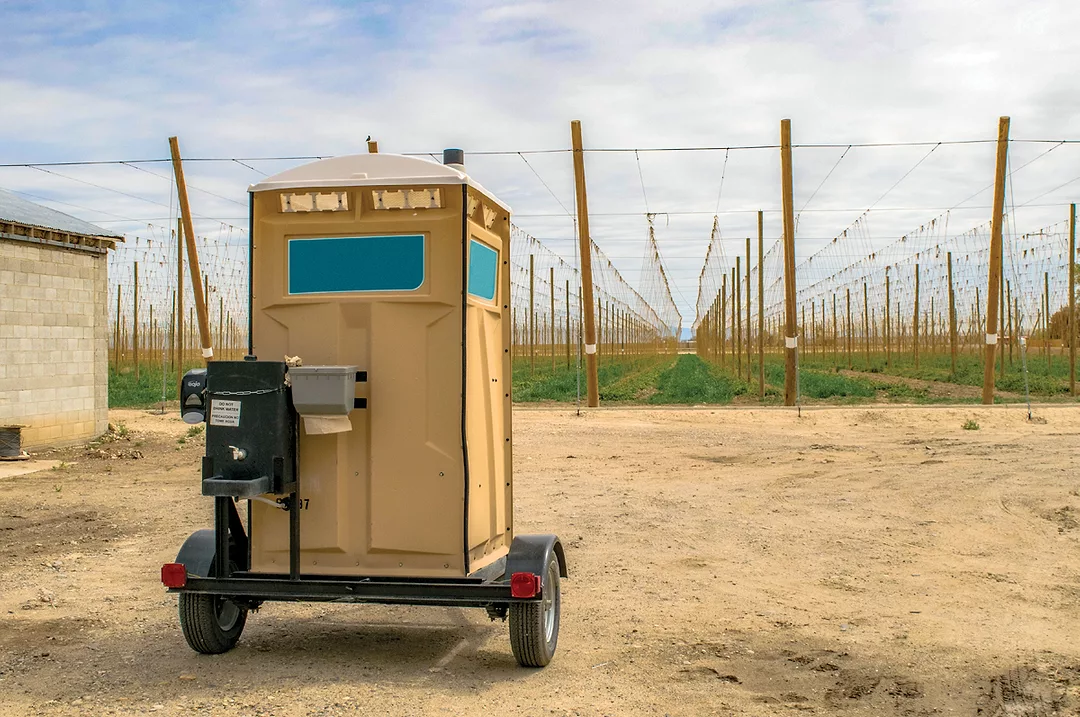
- Proper toilet and wash hand basins: Ensure that there are enough toilets and hand-washing stations for the number of workers. The standard ratio of facilities is 1 to 20, that is, one facility per 20 workers.
- Proper distance: Facilities should be easily accessible from work areas but not so close as to cause pollutants and pollute the fields and water sources.
- Daily routine: Sanitation services, restocking and other routine tasks must be done every day. They keep the facilities clean and hygienic to remain functional for the services they are supposed to offer.
- Hand-washing stations: These should be provided with a water source, liquid soap and shop-soiled linen or paper towels for single use. Hand-washing is an important aspect of minimizing the spread of contamination.
- Disposing of portable toilets: Establish proper methods for disposing of the waste produced by portable toilets to reduce water pollution and environmental pollution.
Benefits of compliance
Following GAP standards coupled with the provision of proper portable sanitation facilities yields several advantages:
-
Enhanced food safety: Reduces the risk of pathogen contamination in produce, thereby protecting consumers.
- Maintenance of personal hygiene: The availability of clean environments facilitates good health in workers and results in improved morale among the workers.
- Market access: GAP compliance is necessary, as many retailers and buyers accept only GAP-certified products.
- Legal: Adhering to regulations prevents penalties and legal issues for the farm.
Implementing portable sanitation solutions
The following is a list of some of the measures to be taken in order to ensure GAP compliance among farmers:
- Recommendation: Consider the number of workers and the size and configuration of the farm to decide how many and where facilities are required.
- Facility choices: This includes portable toilets and hand-washing stations that comply with regulatory provisions and the characteristics of the given farm environment.
- Promotion: Inform the workers about the necessity of utilizing the facilities while observing proper hygiene.
- Supervision: Conduct periodic assessments to guarantee that houses are clean, well supplied and operating optimally.
Sanitation measures are one component of GAP that is extremely important in food safety, worker hygiene and final product quality. By clean and well-maintained restrooms and hand-washing facilities, farmers stand to avoid health issues, avert contamination of foods and thus minimize incidences of people getting illnesses from foods. Therefore, hygiene and sanitation not only enable farms to meet set standards but also improve productivity while ensuring their products’ quality. Sanitation should not be a mere ratification of compliance with legal mandates; it is an investment that upholds quality and safety, thus supporting the viability and reliability of agricultural businesses to consumers and the market.
References omitted but are available upon request by sending an email to the editor.




.webp?height=auto&t=1783636475&width=285 "63802-Thomas-GPS-equipment--Automated-Magnum-Tractor--Matt-Skinner-photo(1).jpg")