“As everyone knows, the Treasure Valley is rapidly growing,” says Idaho Water Resource Board (IWRB) staff member Justin Ferguson.

Based on a water demand survey completed in 2016 for the IWRB, the Treasure Valley is projected to increase in population to 1.57 million people by 2065, and with that increase comes an estimated need for an additional 81,000 acre-feet of water.
The water supply for the Treasure Valley is dependent on the Boise River system, especially the dams that store the water from the snowpack. Climate studies project more winter rain and less winter snow in the future, reducing water stored in the snowpack. Existing water storage facilities may not be capable of offsetting the loss of water storage previously provided by the snowpack, Ferguson says.
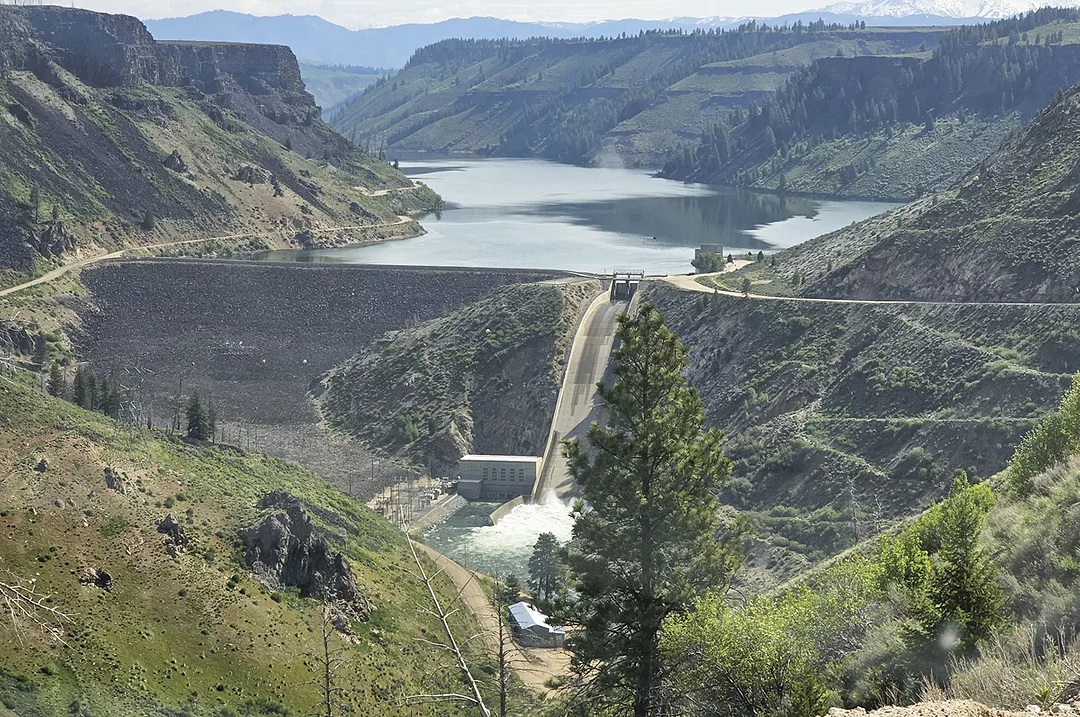
In 2009, the Bureau of Reclamation initiated a feasibility study of the Boise and Payette river basins. Findings from that study led to a partnership with the IWRB to begin work on the most recent feasibility study on a proposed raise of Anderson Ranch Dam, which was completed in 2020. The nonfederal cost share for the project was funded through legislative appropriations to the IWRB from 2019 to 2022, with the majority of the project supported by American Rescue Plan Act funds allocated to the State of Idaho in 2022.
While other alternatives were evaluated, the study determined that raising Anderson Ranch Dam by 6 feet would add an additional 29,000 acre-feet of storage to the system.
Ferguson says, “Expanding the storage capabilities at Anderson Ranch would have the benefit to store additional runoff in high water years, similar to 2017, and provide a secondary benefit of flood risk protection. This is something that has been considered for some time. There is a lot of front work and previous studies that go into raising/expanding a dam.”
While the expansion of Anderson Ranch will not be able to meet the increased demands completely, capturing additional storage in our reservoirs is a major way to begin addressing this future water demand.
Who gets the water?
To ensure proper management of the new water resources, the IWRB has filed a water right permit application for the added storage volume. Of the new capacity, the Bureau of Reclamation plans to reserve 10% for federal benefits, which may include environmental purposes such as fish and wildlife support. The remaining 90% would be contracted through IWRB.
The IWRB anticipates entering into contracts with interested water users or making the water available through Water District 63’s rental pool via the Idaho Water Supply Bank or a combination of both. This flexible approach allows water to be distributed where it’s needed most while supporting long-term water planning efforts across southern Idaho.
Who does it benefit?
- Agricultural producers: Farmers and ranchers in the region can benefit from increased water storage, as it helps ensure a more reliable water supply for irrigation. This can lead to improved crop yields and better management of water resources during dry periods.
- Municipal water users: Communities and municipalities that rely on the reservoir for their water supply can see enhanced water availability for drinking, sanitation and other essential services.
- Environmental agencies: Enhanced water storage can support environmental management efforts, including maintaining stream flow for fish habitats and wetlands, thus benefiting local ecosystems.
- Recreational users: Increased water levels can enhance recreational opportunities for fishing, boating and other water-based activities, fostering tourism and local economies.
- Hydropower generation: If applicable, the increased storage could also enable better management of water for hydroelectric power generation, contributing to energy supplies in the region.
What is the construction timeline and cost?
The project is currently in the design phase, with the final design and cost estimates expected to be completed by early 2026. Construction contracting will take place following completion of environmental compliance.
At the 60% design level, the estimated total cost of the project is $127.8 million. This figure will continue to be refined as the design progresses and more detailed assessments are completed.
“This project demands significant effort – several years of engineering design and approximately four years of proposed on-the-ground construction,” says Chris Keith, the project manager for the Anderson Ranch Dam raise. “The partnership between IWRB and Reclamation provides a rare opportunity to leverage an existing facility, in this case Anderson Ranch Dam, to create much-needed water supply for the Treasure Valley, without creating a new dam."
—Portions compiled from a Modernizing Idaho's Water Infrastructure report