“I wish other producers who have gotten their cattle stolen would speak out about it more, because I would have put more protection measures such as cameras in place,” says a Gooding County cattle producer whose calves were stolen under cover of darkness earlier this summer.

For years, there were very few reports of cattle theft in the area – some producers believing that it could be a relic of the past and just something that the old-timers would tell stories about. However, recent thefts in Gooding County show that cattle rustling never truly went away. It only waits for the right opportunity, and with today’s cattle market boasting record-high prices – now is the time.
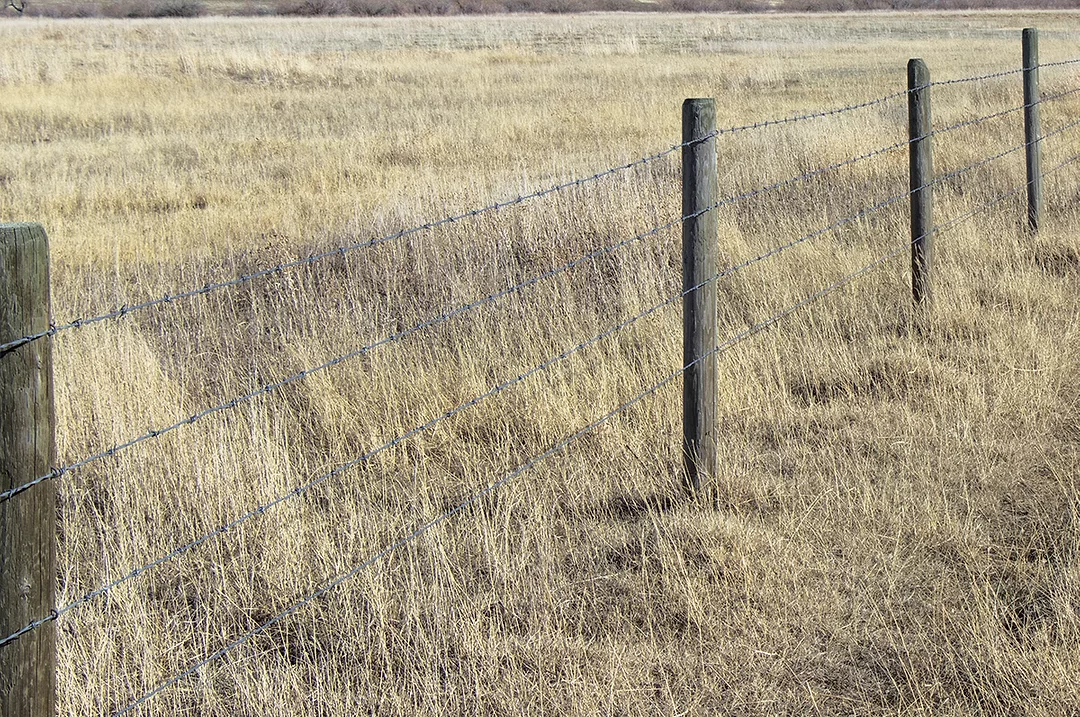
In this producer’s case, the stolen calves were young and unbranded. They were in a pasture several miles away from the producer’s home, on the kind of ground where it is nearly impossible to keep eyes on the cattle and watch every gate constantly. The neighbors noticed something was wrong when they saw the broken fence, and only then did the producer realize that around 20 calves were missing.
According to the Gooding County Sheriff Shaun Gough, hers wasn’t the only operation hit. “We haven’t had any thefts for years and recently had two different thefts where several unbranded calves were taken,” the sheriff shared. “Both in the middle of the night. We have a couple of suspects that we are working on along with ISP [Idaho State Police] and the brand department. We have recovered some of them. I do believe the group was somewhat organized to be able to do what they did at the time of day that they did it.”
That idea – that someone could pull up under cover of darkness, sort off a handful of calves and haul them out, causing minimal disturbance – can be hard to accept. But the reality is that today’s cattle theft is rarely opportunistic. When young calves go missing, it often means someone has planned ahead, scouted the pasture and knows exactly what they’re doing.
Cattle rustling has always been part crime of convenience and part calculated business. The motive isn’t hard to understand: Cattle are valuable, easy to transport and in some cases difficult to trace – especially when they’re not branded. Unbranded or freshly weaned calves are the perfect targets because proving ownership after the fact can be nearly impossible. Once stolen cattle are moved across county lines or sold quickly through private channels, they can disappear into the marketing chain almost overnight.
Idaho law requires cattle to be brand-inspected before sale, transport out of state or slaughter. Auction barns must verify proof of ownership before accepting consignments. But while these safeguards help, they can’t replace a brand on the animal itself. In some cases, producers have only realized animals were gone after a neighbor or brand inspector called to ask about suspicious cattle showing up at market.
Brand inspectors and law enforcement work together when theft is reported, but recovering stolen calves can still take weeks – or never happen at all. “We have recovered some of them,” Gough said. But with multiple thefts reported in the same area, it’s a reminder that vigilance matters.
While no operation is ever completely immune, there are practical things producers can do to make cattle harder targets. Branding calves early is one of the most effective deterrents, as it makes them unmistakable and much more difficult to sell anonymously. Installing cameras near high-traffic gates and corrals can help capture evidence and discourage thieves from approaching. Additionally, building strong relationships with neighbors creates an informal network of eyes and ears that can spot unfamiliar vehicles or suspicious activity before a theft occurs.
These practices won’t stop every theft, but they can slow down or discourage would-be thieves. The Idaho State Brand Board emphasizes that the faster producers report missing cattle, the more likely a successful recovery becomes. Even if you aren’t sure an animal is truly stolen, notifying law enforcement and the brand inspector creates a record – and may help investigators spot a pattern across multiple operations.
For ranchers who have never dealt with theft, it can feel awkward or even embarrassing to admit they’ve been targeted. However, in today’s cattle business, rustling isn’t a story from the 1800s. It’s happening here and now, sometimes closer to home than you’d ever imagine. For Idaho producers, the message is clear: Keep watch, document everything and never assume your pastures are too quiet to attract attention.
If you suspect cattle theft, contact your county sheriff’s office and your district brand inspector immediately. A phone call made quickly can be the difference between a herd recovered and a herd lost.



.webp?height=auto&t=1783636475&width=285 "63802-Thomas-GPS-equipment--Automated-Magnum-Tractor--Matt-Skinner-photo(1).jpg")