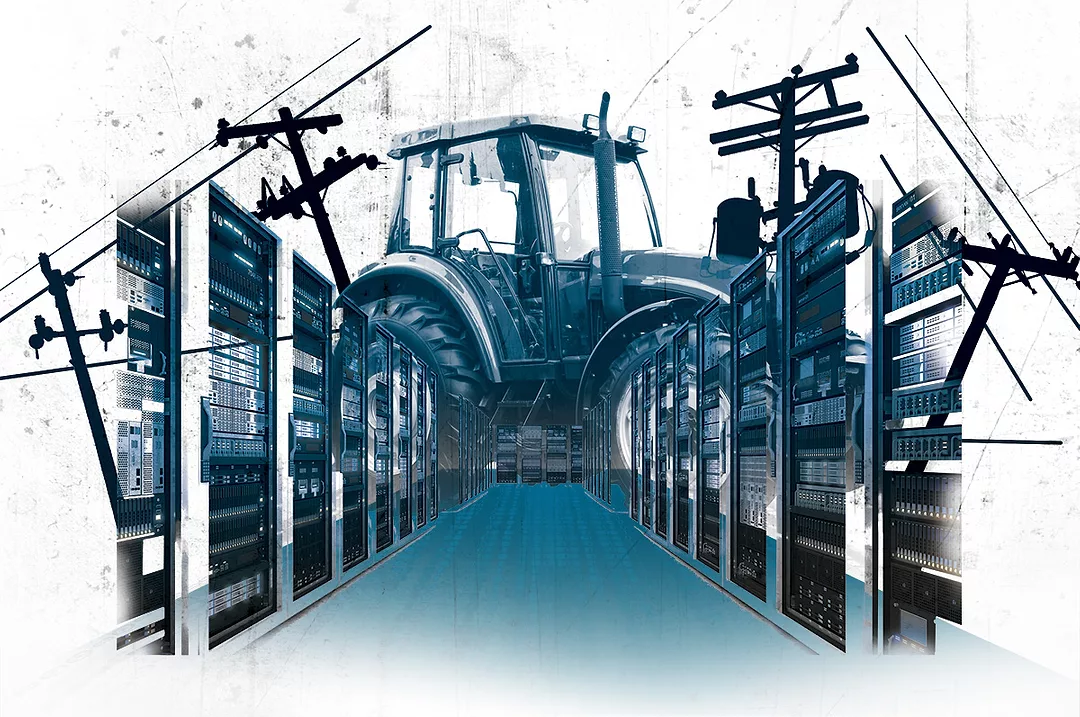
You might be asking yourself, “Why am I covering eminent domain in this column?” The answer is simple: We are seeing a wide growth in data centers across the country. These data centers can bring economic benefits to the local economy, but can also create additional problems in the areas where they are built.

The average data center uses the same amount of power annually as seven to 13 homes. If states make a push for data centers to develop in an area, this can increase power needs within that area, which will lead to increased infrastructure needs, such as transmission lines, to support the power needs of these data centers. The need for more transmission lines could lead to many of you getting notices that your farmland is in the middle of proposed routes for new transmission lines and potential moves to take transmission easements through eminent domain. With that in mind, let's talk a little bit about what eminent domain is, why power companies have the right to utilize it and what landowners should consider when presented with a notice.
Eminent domain is the right of the government (federal, state and local governments) to take private property for a public purpose. The U.S. Constitution and state constitutions provide provisions that property owners are entitled to just compensation when the property is taken. Just compensation is typically the fair market value of the property taken for a public purpose and can include any additional damages caused by the taking.
For example, if the proposed taking would consist of 2 acres of land, the landowner would be owed for the fair market value of the 2 acres taken. At the same time, if the 2 acres include a path used to access the property, the additional damages would consist of creating a new way to access the property.
State legislatures often provide the power of eminent domain for easements to certain entities that provide a public service. These private entities are frequently electric, gas, cable and other companies that offer a public service. When the use of eminent domain is for this kind of easement, the analysis of just compensation will depend on the impacts on the dominant estate (the property not being taken for the easement).
This is often not an easy analysis and will require experts to determine the impacts on the dominant estate. For example, suppose the power lines will traverse the property in a way that impacts its use for its original uses, such as agriculture. In that case, you need experts to determine the nature and extent of these impacts and place monetary value on those losses to get just compensation.
This entire process is driven by state law in how it will operate; it's hard to do a basic overview for that reason. What should landowners do when presented with notices that their land might be in a proposed transmission line path? First, do not delay responding to the request, and look for competent legal representation with experience in eminent domain actions. I know many of you may not know those types of attorneys, but if you are working with one already, ask them if they have experience or have suggestions for those who do.
At the same time, talk to neighbors to see if anyone else received the notice. In many cases, pooling landowners together in the proposed path may carry more weight than individual landowners working separately. This can also help to reduce legal costs.
Legal representation is also important because in many states, depending on the process needed to finalize the route, attorneys will be able to help you understand your rights throughout the process and how to intervene in any administrative process that finalizes the route. This will help you speak during the process and discuss why the route would impact your property. Keep in mind that not wanting the lines to cross your property may not be enough, and an attorney can work with you on what type of issues you should present during the process.
If your property is chosen for the route to run across, an attorney can work with you on the eminent domain proceeding or negotiate beforehand with the company. The attorney should have experts available who can help in determining the value of the easement and the impacts on the remainder of the property.
No one wants to get the notice in the mail that their property might be taken for an easement. As we continue to see states push for the development of data centers, we may see a rise in the need for increased transmission lines. Not sitting on the notice and talking to attorneys early can help you better protect your rights. At the same time, it will reduce your stress and let you keep doing what you enjoy doing.