Alfalfa has long been the cornerstone of U.S. forage production, valued for its high protein content, nitrogen-fixing ability and resilience in diverse climates. Yet the alfalfa seed industry has experienced dramatic consolidation in recent years. Where many breeding programs once competed, there are now three active private alfalfa breeding programs in the U.S. – DLF, Forage Genetics International (FGI) and Legacy Seeds.

While the number of players has narrowed, the focus on innovation has not. Each of these organizations continues to advance genetics, traits and management tools designed to meet the evolving needs of hay and livestock producers.
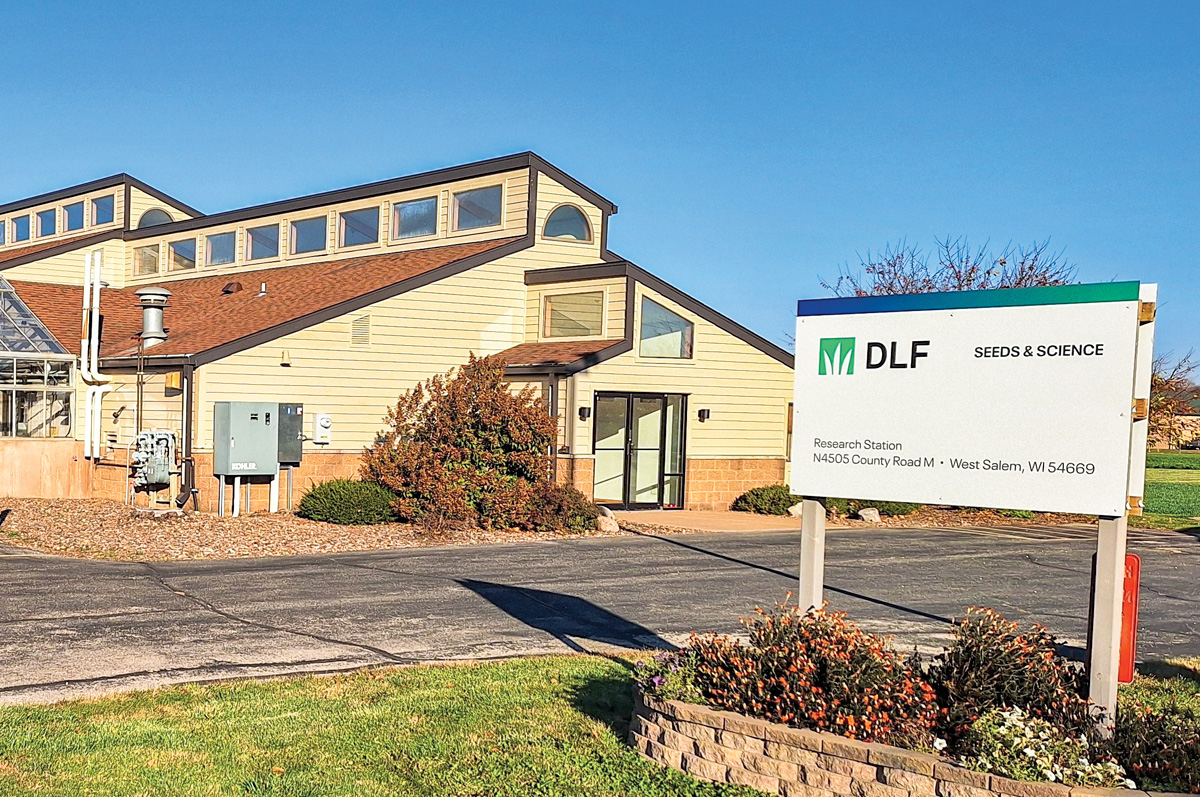
This is DLF's Research Station in West Salem, Wisconsin. Image courtesy of DLF.
DLF: Expanding genetic diversity and stress tolerance
DLF represents the Alforex Seeds, Forage First and Forage First 5 Series brands. When the company transitioned the alfalfa varieties and breeding program from Corteva to DLF, they combined the Alforex and Dairyland seed alfalfa varieties under the Alforex Seeds brand. The Pioneer varieties were placed into the Forage First 5 Series lineup, alongside their long-standing Forage First brand.
According to Doug Bastian, DLF’s alfalfa business manager, strategic direction emphasizes trait expansion rather than brand proliferation.
“We’re focusing on developing drought- and salt-tolerant alfalfa varieties,” he explains. “With tighter water supplies and changing growing conditions in the West, those traits will be key.”
Beyond stress tolerance, DLF’s broad germplasm base provides flexibility to tailor products for different production regions and grower goals, keeping genetic diversity alive within a more consolidated marketplace.
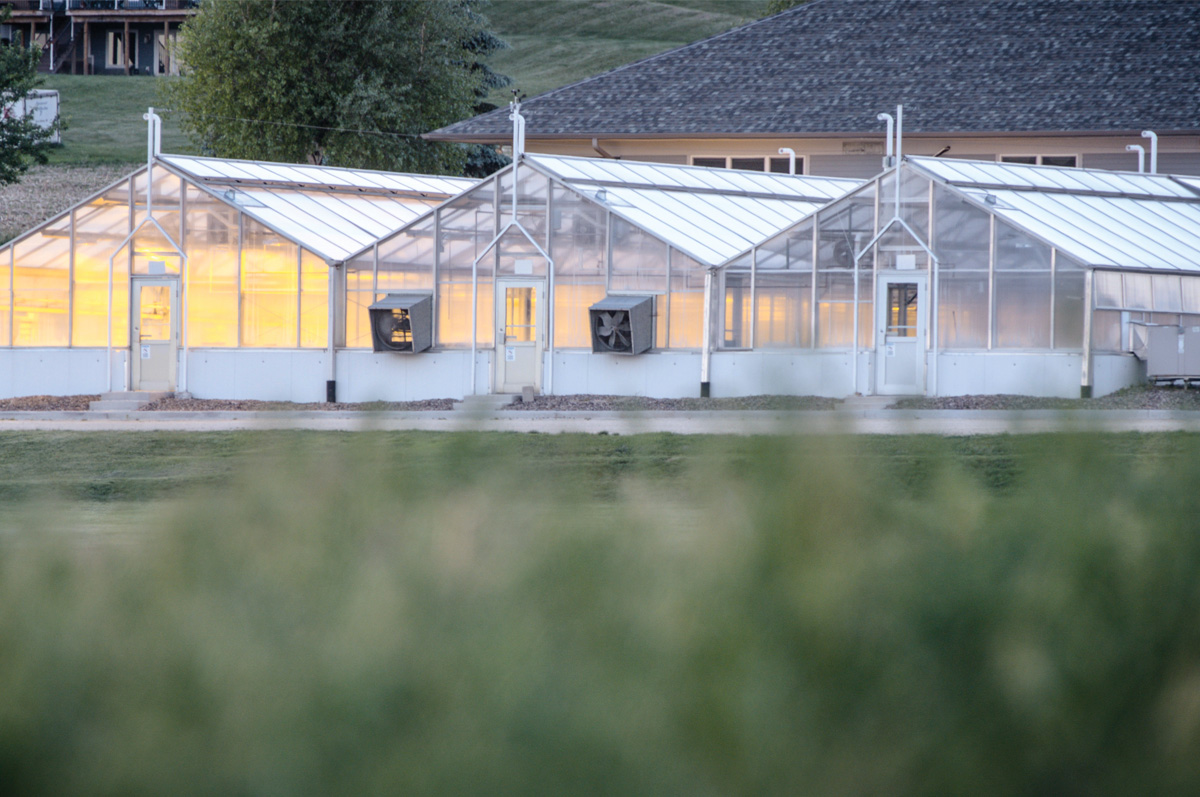
These are some of Forage Genetics International's greenhouses near West Salem, Wisconsin. Image courtesy of Forage Genetics International.
Forage Genetics International: Accelerating trait innovation
At Forage Genetics International (FGI), alfalfa remains the sole focus. FGI has been a driver behind major industry breakthroughs such as HarvXtra Alfalfa, which allows flexibility in harvest timing to manage for quality or yield; Roundup Ready Alfalfa, enabling efficient weed control; and the UltraCut Alfalfa Disease Package, which provides protection against emerging races of anthracnose and aphanomyces.
“FGI’s breeding program evaluates more than 300,000 plants annually across 7,000 test plots at six research locations,” notes Emily Meccage, FGI’s director of research. “Our goal is to bring new genetics and traits to market faster so growers can stay ahead of environmental and pest pressures.”
The company’s current focus includes greater tolerance to drought, salinity and insect stress, as well as continued improvements in forage quality and stand persistence.
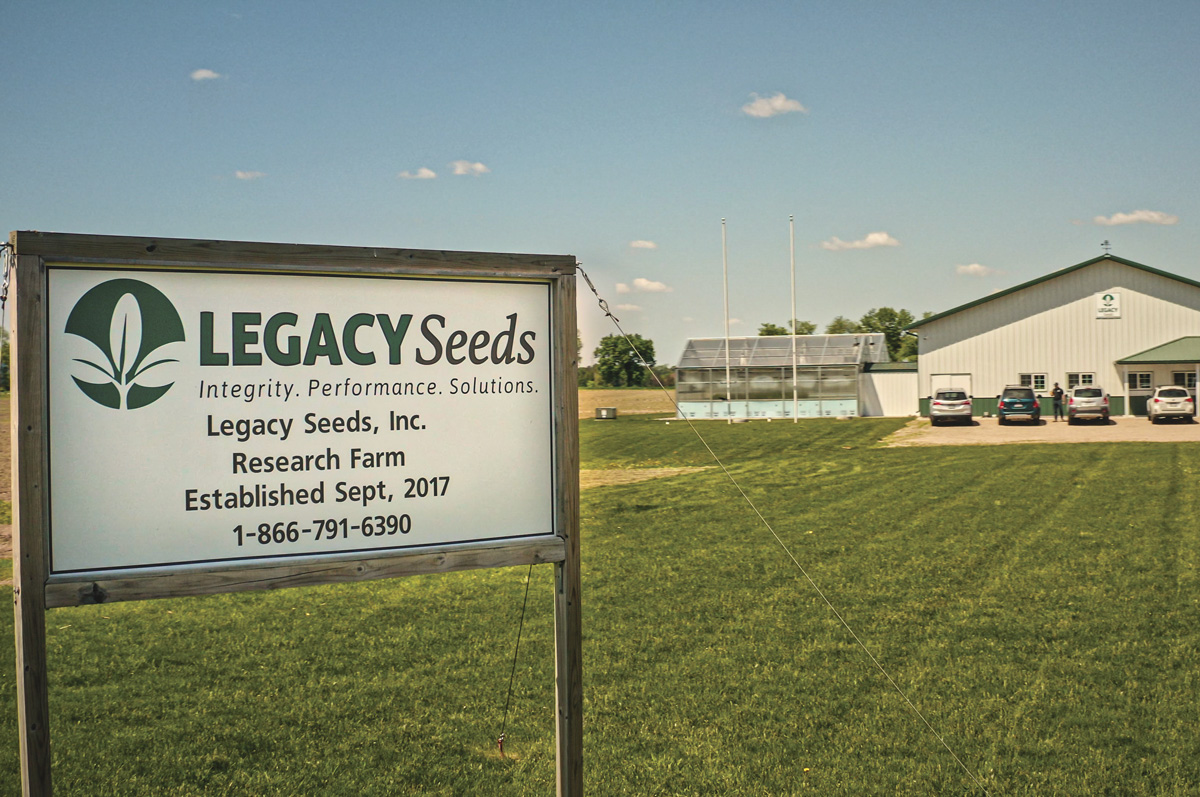
This is the Legacy Seeds Research Learning Center in Waupaca, Wisconsin. Image courtesy of Legacy Seeds.
Legacy Seeds: Building strength through partnerships
Legacy Seeds operates through a network of seed partners and licensees who bring Legacy’s genetics to growers under their own brands.
“While the Legacy brand isn’t currently sold directly in the marketplace, our genetics are widely available through our partners,” says Colin Steen, CEO at Legacy Agripartners.
Legacy’s breeding work centers on disease resistance, digestibility and persistence, which are key drivers of long-term yield. Steen emphasizes that although there are fewer breeding entities than two decades ago, “Farmers still have a wide range of choices and access to strong, diverse genetics. The quality of available alfalfa genetics continues to improve.”
Fewer breeders, broader collaboration
Industry consolidation has prompted closer collaboration among seed companies, researchers and grower organizations. The remaining breeders are finding new ways to share data, coordinate testing and align research goals.
“While the number of breeding programs has declined, cooperation has increased,” Bastian says. “We are focusing resources on developing traits that truly move the needle.”
Beyond genetics, the three companies are active participants in efforts to strengthen alfalfa’s position nationally. Through involvement with the National Alfalfa and Forage Alliance (NAFA), they are advocating for enhanced crop insurance options, increased research funding and support for the voluntary checkoff program, U.S. Alfalfa Farmer Initiative (aka Alfalfa Checkoff) that invests directly into alfalfa improvement.
In addition to their involvement with NAFA, Steen underscores the importance of working alongside other industry partners like Dairy Farmers of America.
“We all share a goal of growing alfalfa acreage,” Steen says. “That means supporting profitability through better insurance tools, stronger research and by identifying new uses for the crop.”
From bio-based products to carbon-friendly rotations, alfalfa’s role in sustainable agriculture continues to expand.
“When we talk about the future,” Bastian adds, “it’s about ensuring alfalfa remains not just viable but vital.”
Despite a smaller circle of breeding companies, innovation within the alfalfa industry remains strong, with companies investing heavily in research, partnerships and advocacy to ensure growers continue to have access to diverse, high-performing varieties. The result: a more unified, forward-looking industry, driven by collaboration and committed to keeping alfalfa a cornerstone of American agriculture for generations to come.