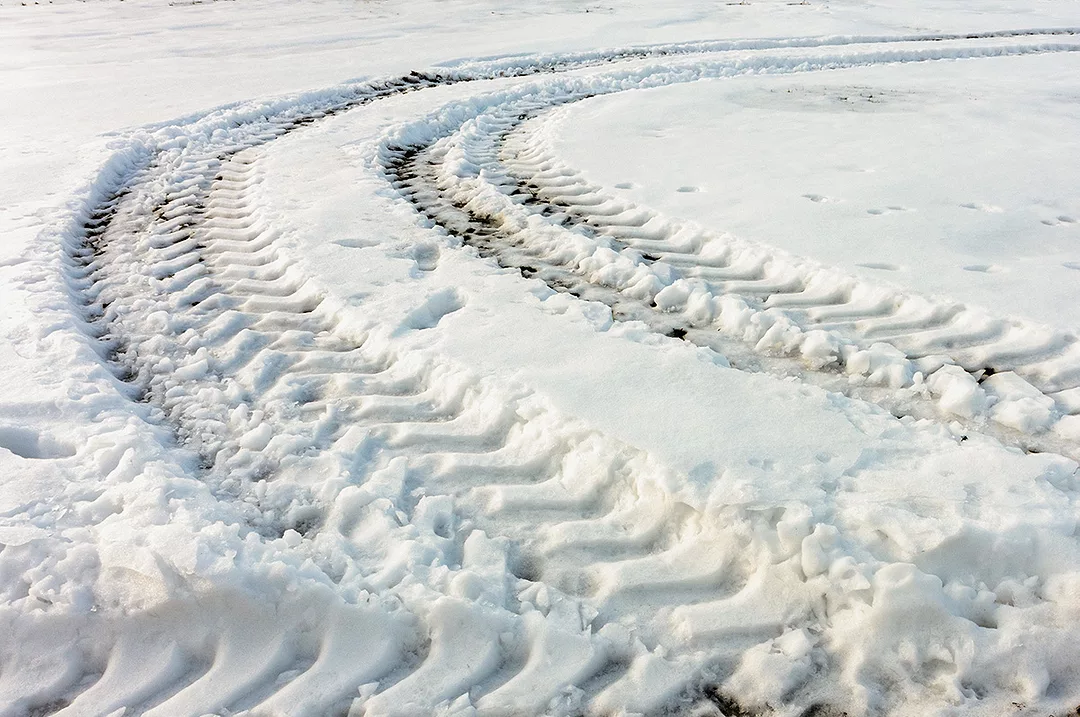
Winter brings new demands to every forage operation. Equipment that worked smoothly all summer now faces cold starts, slippery ground and frozen feed pads. Whether you’re hauling hay, feeding cattle or maintaining forage fields for spring regrowth, one thing remains constant: Your tires have to perform, no matter the weather.

Paying attention to tire condition and maintenance during winter can mean fewer breakdowns, better traction and a smoother start when fieldwork resumes in the spring. Here are four tips to help you stay productive and protect your tire investments this winter.
Tip 1: Watch tire pressure as temperatures drop
Tire inflation pressure is a critical factor year-round, but it becomes even more important in cold weather. Air contracts as temperatures fall, which means tire pressure drops too – roughly 1 pound per square inch (psi) for every 10 degrees Fahrenheit. That loss may not sound like much, but it can have big consequences on performance.
Underinflated tires flex more, creating a wider footprint. This can put unnecessary pressure on the tire’s sidewalls, resulting in uneven wear and a shorter wear life. Underinflated tires also reduce traction, making it harder to haul bales or move feed efficiently. On the other hand, overinflated tires can compact your soil and increase the risk of tread cuts or sidewall damage.
For equipment that sees daily use, such as feeding tractors or loaders, check tire pressure at least once a week and ideally every day. For machines that are used less often, a quick monthly check is enough. Always measure pressure when tires are cold. Keeping tire pressure at the recommended level helps ensure a longer tire life, even load distribution and improved traction on slick winter surfaces.
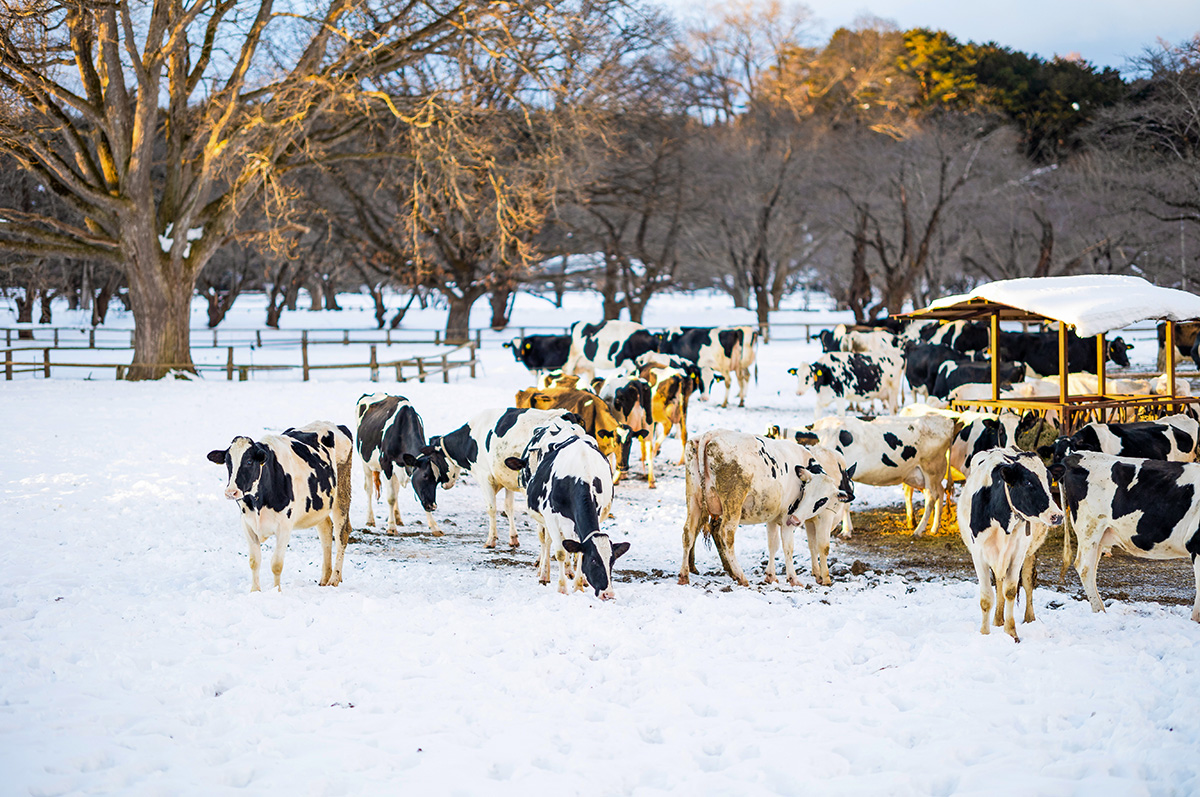
Taking steps to safeguard your tires from harsh winter weather and conditions can help you keep working in the winter and avoid needing replacement tires come spring. Image courtesy of Firestone Ag.
Tip 2: Keep an eye out for frozen or rough ground
Winter landscapes are tough on tires, especially for livestock operations where the ground can shift between soft mud and rock-hard frozen ruts overnight. Frozen clumps of soil or crop stubble can act like blades, slicing into tread or sidewalls as heavy equipment passes over them.
Before temperatures drop, it’s a good practice to level high-traffic areas such as feed lanes, bale yards and barn lots. When the ground is already frozen, slow down across rough terrain and avoid tight turns that can stress tire sidewalls.
In regions where field feeding or bale grazing is common, it’s also wise to scout routes after a freeze or thaw cycle. Repeated traffic over frozen residue or stubble can lead to punctures or cracks that shorten tire life. The goal is to minimize sharp contact points and uneven pressure on the tire. These simple steps can save hundreds of dollars in repairs or replacements later on.
Tip 3: Store idle equipment the smart way
Not every machine earns its keep through the winter. Balers, rakes and forage wagons often sit idle for months. But just because they’re parked doesn’t mean their tires are safe from damage.
Tire rubber stiffens in cold temperatures, losing the flexibility that allows it to expand and contract under normal use. Left exposed to snow, ice or sunlight, this stiffness can lead to cracking and dry rot. Over time, a tire’s natural air loss (about one psi per month through permeation) can leave it underinflated and prone to flat spots.
Whenever possible, store unused equipment indoors or under a weatherproof cover. Before parking for the season, inflate tires to their recommended pressures and check them every few weeks. If a machine will sit for an extended period, consider blocking it up or slightly relieving weight off the tires to reduce strain. Protecting tires during downtime helps ensure they’re ready when the first cutting season returns.
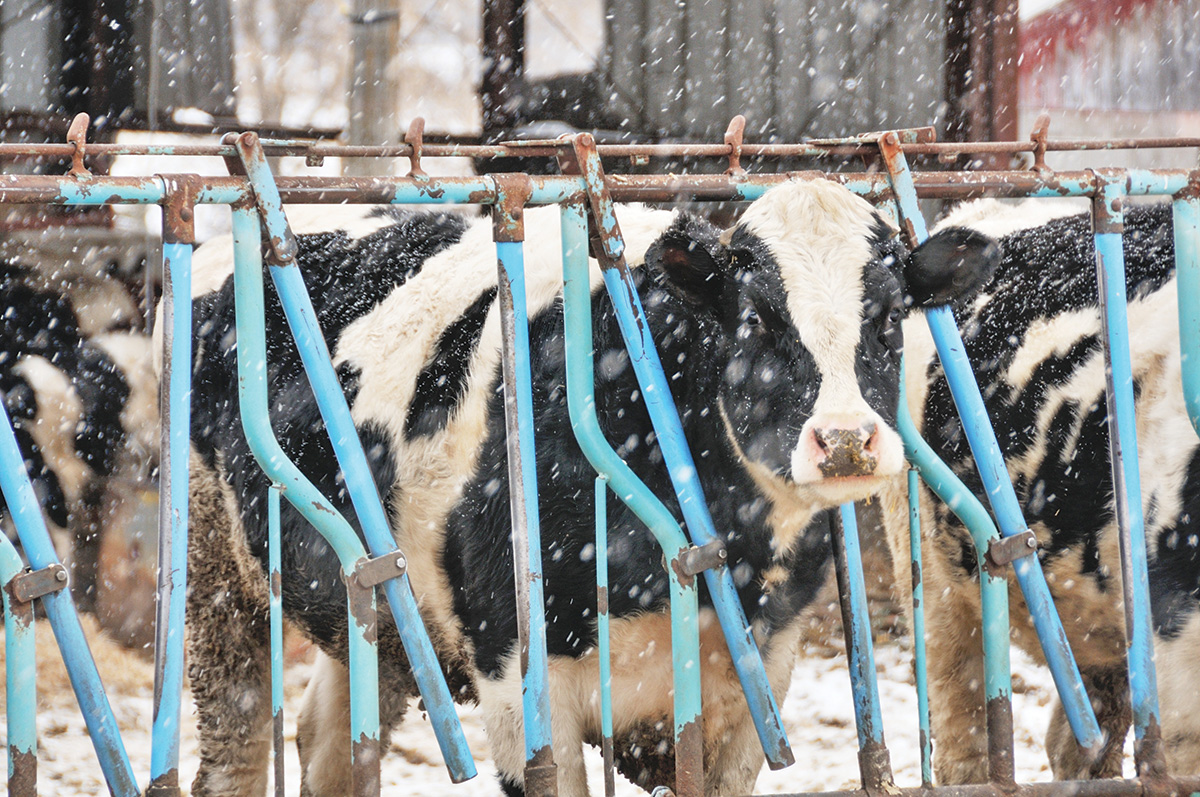
Despite the changing weather conditions, you still need to get work done, and farm tire maintenance is crucial to staying productive, no matter the weather. Image courtesy of Firestone Ag.
Tip 4: Optimize traction for winter work
Winter chores don’t stop when conditions get tough; they just get trickier. Between icy lanes, slushy feed pads and soggy pastures, traction is often the first casualty of cold weather. But a few adjustments can help your tires perform more efficiently:
- Fine-tune the tire footprint. Tire pressure directly affects traction and soil health. When a tire is inflated properly for the equipment’s weight, it spreads the load evenly, increasing grip while reducing soil compaction. This is especially valuable in forage fields or feeding areas that will green up again in spring.
- Add ballast when needed. Weight can be your friend in slippery conditions. Adding wheel weights or liquid ballast can improve tire grip and machine stability on icy or muddy surfaces. Just remember to recheck and adjust inflation pressure after adding weight.
- Use tire chains for extra bite. In northern climates where ice and packed snow are common, tire chains can dramatically improve traction. Work with your local tire dealer to ensure a proper fit and installation, as incorrectly installed chains can cause uneven wear or damage to tire lugs.
In some cases, switching to a tire designed for mixed or all-weather use may be worthwhile. These designs offer deeper lugs and flexible rubber compounds that maintain grip and durability in cold temperatures.
Keep your equipment rolling
Tires are more than a piece of equipment. They’re an essential tool for keeping forage operations efficient and sustainable. Proper winter maintenance reduces downtime, protects soil structure and helps your tires last longer, saving you money when margins are tight.
A few minutes spent checking air pressure or smoothing a frozen lane can prevent costly repairs and delays later. As winter sets in, think of tire care as part of your overall forage strategy, because keeping your equipment moving means keeping your herd fed and your fields ready for spring growth.
For more tips and resources to get the most out of your farm tires year-round, contact your local certified Firestone Ag dealer or visit the website.