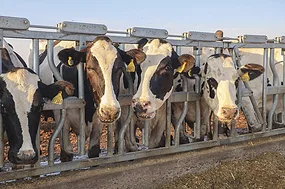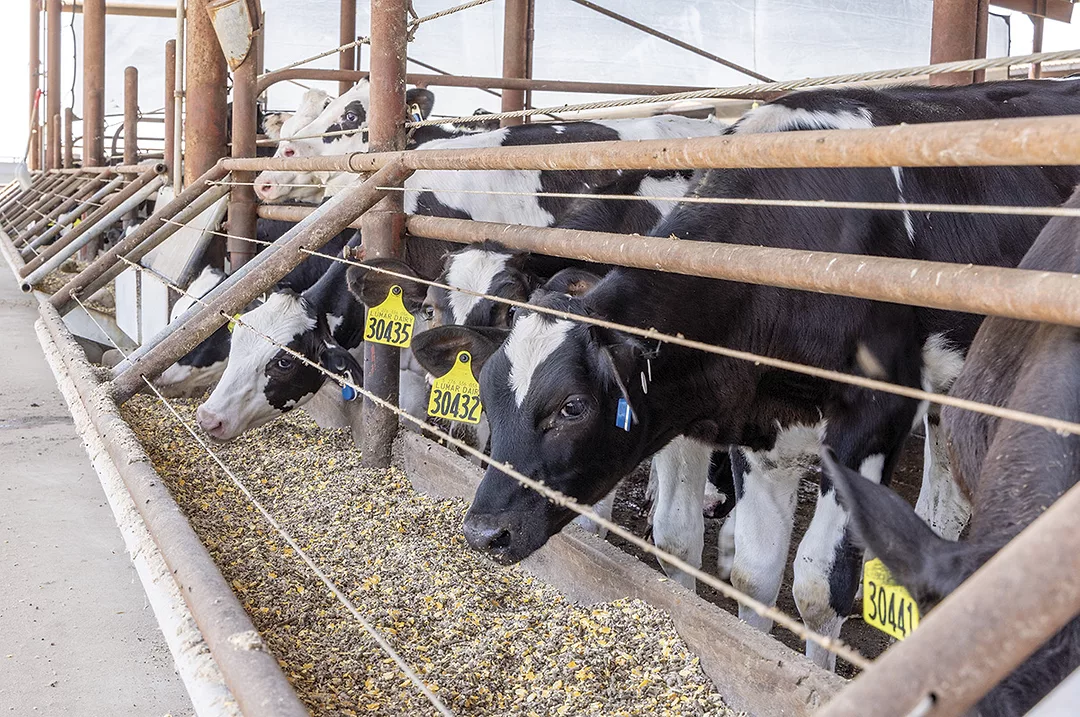
In recent years, the number of replacement heifers on dairy farms has steadily declined. This trend is closely tied to the increased use of sexed and beef semen, which have become valuable tools for genetic progress and additional revenue. By producing more female calves from elite animals while raising fewer replacements overall, farms are becoming more selective about which heifers they keep. While this strategy improves efficiency, it also raises the stakes. Each replacement heifer now carries more economic and genetic importance than ever before.


This shift highlights the need for a more intentional and strategic approach to heifer management, particularly in reproduction. With fewer animals in the pipeline, mistakes such as delayed breeding or missed opportunities can have a greater impact on herd performance and profitability.
Why timing matters
Research consistently shows that age at first calving has a direct impact on lifetime productivity. Heifers that calve too early often lack sufficient body development, which can limit milk production. On the other hand, animals that calve too late incur additional raising costs and may also produce less milk over time. The optimal window, around 23 to 25 months, balances growth, productivity and cost efficiency.
Achieving this target requires careful reproductive management. During the growth phase, there are limited opportunities to shorten the timeline without compromising the animal’s future performance. Maintaining a short and effective breeding window is essential.
It is not enough for heifers to simply become pregnant. They must conceive as soon as possible once they reach the appropriate bodyweight and structural development. Ultimately, age at first calving is determined by when the heifer becomes pregnant.
Rethinking heifer reproduction
Heifers are often considered the most fertile group on a dairy, which can lead to a more relaxed approach to their reproductive management. In many operations, protocols are minimal or absent, sometimes limited to occasional hormone treatments or reliance on visual heat detection.
However, this mindset can be misleading. While individual heifers may have high fertility, overall system performance still depends on consistency and timing. Missed heats, delayed inseminations, or long intervals to conception can quickly increase costs.
One of the largest expenses in raising heifers is feed, which accumulates daily. Unlike more visible costs, feed expenses can go unnoticed, yet they have a significant impact on profitability. Each additional day a heifer remains open increases total raising costs, making reproductive efficiency a key driver of financial performance.
With fewer replacement heifers available, every breeding decision becomes more critical. Ensuring that animals conceive promptly is no longer optional. It is essential.
Synchronization programs: A viable option
To improve consistency and reduce reliance on heat detection, many farms have adopted estrus synchronization programs combined with timed A.I. protocols. These programs have become increasingly common due to their ability to improve breeding efficiency.
Programs such as the five-day controlled internal drug release (CIDR) method are widely used as a starting point for heifers. Other approaches, including those using melengestrol acetate (MGA), have also regained attention as viable options.
These programs do not eliminate the need for estrus detection, but they ensure that all heifers enrolled can be inseminated at the end of the program. This guarantees an earlier first service compared to relying on estrus detection alone. In addition, they help concentrate estrus activity for non-pregnant heifers, making it easier to detect returns approximately 18 to 24 days after the first insemination.
Regardless of the specific program, the primary goal remains the same: Increase insemination rate and ensure that more heifers are bred at the right time.
Insemination rate as a key metric
Insemination rate is one of the most important factors influencing reproductive success. Traditional approaches that rely solely on heat detection or minimal hormonal intervention typically result in insemination rates around 50%. In contrast, implementing the protocols listed above for first service can increase this rate to approximately 80%.
This improvement has a direct impact on days open and, ultimately, age at first calving. By ensuring that more heifers are inseminated promptly, farms can maintain tighter control over their reproductive timeline.
A useful way to think about this is to manage heifers similarly to lactating cows. Just as cows have a defined voluntary waiting period, heifers should be bred as soon as they reach the appropriate age, bodyweight and structural development. Delaying breeding beyond this point only adds unnecessary feed cost without necessarily improving outcomes.
Challenges with sexed semen
While sexed semen offers clear advantages, its use in heifers requires careful management. Many farms apply the same strategies used for conventional semen, which can lead to suboptimal results.
Sexed semen is more sensitive to timing and requires greater precision during insemination. If not managed correctly, conception rates may be lower than expected. This makes it even more important to combine sexed semen with well-designed synchronization programs and proper execution.
Looking beyond initial costs
One of the most common concerns about synchronization programs is their initial cost. Simpler approaches, such as relying on natural estrus, may appear more economical at first glance. However, focusing only on the cost of the program can be misleading.
The true economic driver in heifer reproduction is the total number of days on feed. Since feed represents the largest expense in raising heifers, reducing the time required to achieve pregnancy can generate significant savings.
Comparisons between minimal intervention strategies and more intensive synchronization programs illustrate this point. Although advanced programs have higher initial costs, they often result in earlier insemination and faster conception. This reduction in days open translates into lower feed expenses and improved overall profitability.
In many cases, the savings in feed costs more than offset the additional investment in reproductive programs. A more proactive approach to heifer breeding can yield better financial outcomes.
A shift in perspective
For many producers, the challenge lies in reframing how reproductive costs are viewed. Instead of seeing synchronization programs as an expense, they should be considered an investment in efficiency and future performance.
This shift in perspective is especially important as herds rely on fewer replacement heifers. Each animal represents a greater portion of the herd’s future, making it critical to maximize its potential.
Heifers are sometimes overlooked because they are not yet contributing to milk production. However, their long-term impact on the herd is substantial. Proper management during this stage sets the foundation for future success.
Improving efficiency and profitability
The decline in replacement heifer numbers has fundamentally changed how dairy farms must approach heifer management. With fewer animals available, the importance of getting each one pregnant at the right time has never been greater.
By focusing on timely breeding, increasing insemination rates and viewing reproductive programs as investments rather than expenses, farms can improve both efficiency and profitability. In today’s environment, one of the easiest opportunities on many dairies lies in optimizing the performance of replacement heifers, ensuring that each animal enters the milking herd at the right time while minimizing overall raising costs.