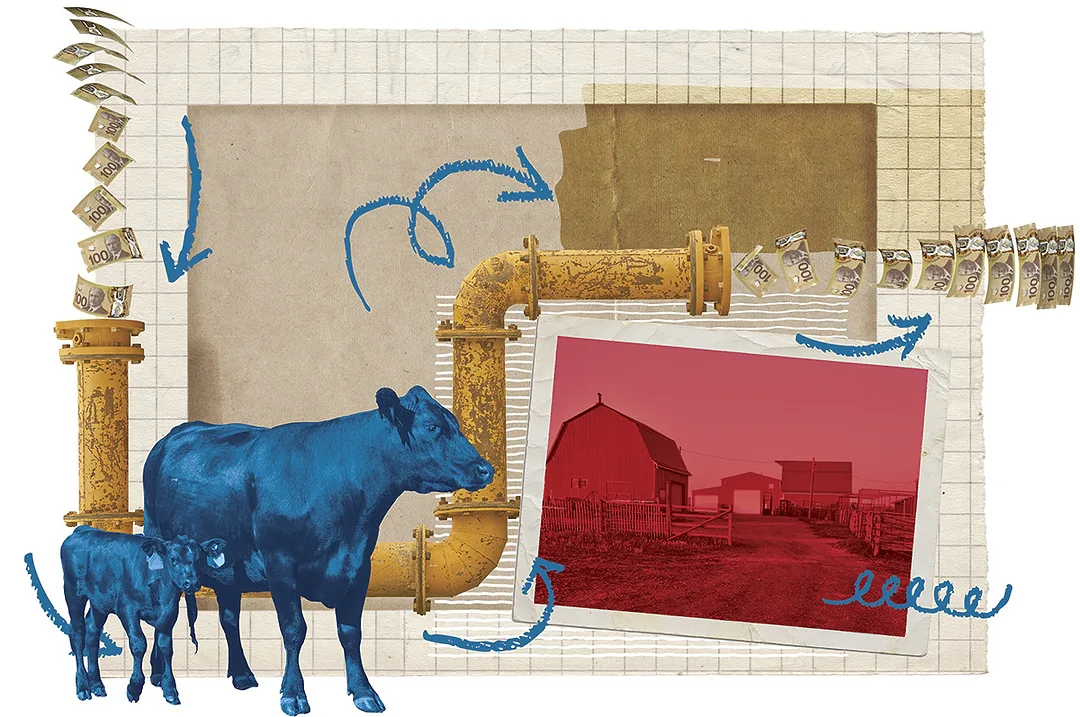
Strong cattle prices don’t automatically mean strong cash flow. Many beef producers have learned the hard way that good prices can still lead to tight cash, tax surprises and rushed decisions.

Real cash flow planning is about timing, flexibility and staying in control – long before cattle are sold.
For beef producers across Canada, the most effective cash flow planning starts in summer, once herd number and conditions are clearer but while there’s still time to adjust.
Marketing decisions shape your cash flow
One of the biggest drivers of cash flow is when and how the cattle are marketed.
Many operations sell at the same time every year simply because that’s how it’s always been done. But tradition isn’t a plan, and the market doesn’t always follow your calendar.
Questions to consider:
- How much cash does the operation need from cattle sales to make bills and meet bank obligations?
- What weight do calves need to be to make those obligations based on current market pricing?
- Are market prices rewarding extra weight right now or not?
Sometimes holding cattle an extra four to six weeks makes sense. Other times, selling earlier reduces risk, saves feed and still covers expenses. The key is that the decision is made on purpose, based on numbers and not habit. Finding a way to decide on when to sell calves is important and should not be based off a calendar date.
Start with obligations, then decide when to sell
Good cash flow planning starts with understanding what needs to be paid:
- Loan and mortgage payments
- Operating expenses and inputs
- Family living costs
- Repairs, equipment or capital needs
Once those obligations are clear, marketing decisions become much easier. You can decide whether you need all revenue at once, whether sales should be split across year ends or whether some cattle can be held back for a long-term hold.
Without this planning, producers often sell too many cattle too quickly – or not enough – creating avoidable stress later. Another common challenge is not considering market opportunities your operation can capitalize on. Whether that’s bred heifers, backgrounding steers or putting some condition on open cows in the fall, it is important to keep an open mind and consider your options.
Planning across the short, medium and long term
Cash flow planning works best when you look at it in layers:
- Short term (this year): Will calf sales cover operating costs and payments? Do you need price or production protection if the market shifts?
- Medium term (next few years): Can you start retaining heifers to grow the herd? Can good years help smooth out weaker ones?
- Long term: This is where you can look at expanding the herd, buying or developing land, and preparing for transition, succession or major investments
Short-term decisions should support where you want the business to go long term, not against it. It can be easy to know where you want to be in five years, but do your day-to-day decisions actively and intentionally manage for that outcome?
Risk management starts with knowing your numbers
Insurance programs and support programs matter, but they work best as backup tools. The most important risk management step is knowing numbers like expected calf weights, realistic prices and true cost per pound – and knowing them early.
When you understand these by midsummer, you can decide how much risk you’re comfortable carrying. Risk management is often seen as insurance only, but basic operations can manage risk by helping you know your numbers, managing feed and cattle inventory actively, and understanding your hard costs and obligations. Insurance can be a great tool to close the gap when hard costs can’t be met; setting up an operation that can avoid that pitfall is the first step to risk management. Waiting until after cattle are sold often means reacting too late.
Feed planning is part of cash flow
Feed is one of the biggest risks beef producers face, especially in dry years.
Operations that plan feed carryover have more flexibility in when they sell, are less likely to force early sales and are better prepared for drought, winter feeding challenges or poor shoulder seasons.
Running feed inventories right to the edge may feel efficient, but it increases financial risk when the unexpected happens. Having a set percentage of your feed carried over has shown to be a good choice in the last number of years. By doing this, you give yourself more options in lower-production years and can create market opportunities when others are forced into tough decisions.
Proactive planning keeps the decisions in your hands
The difference between proactive and reactive planning isn’t complexity. It’s timing.
Producers who plan ahead:
- Make calmer marketing decisions
- Have stronger conversations with lenders
- Avoid last-minute tax or cash crunches
Those who wait until after sale season often lose options and control.
Simple planning, real payoff
Cash flow planning doesn’t need to be complicated. Often, it’s a short review using updated numbers and realistic assumptions.
Done early, that small amount of effort improves marketing decisions, reduces financial risk and gives producers confidence heading into sale season.
You don’t need to predict the future perfectly, but knowing where you stand and using that information helps you stay flexible and in control.