We use cookies to provide you with a better experience. By continuing to browse the site you are agreeing to our use of cookies in accordance with our Cookie Policy.
A well-prepared calving area with proper equipment that emphasizes safety and accessibility, ensuring proper cattle nutrition and having a solid emergency plan with detailed records to fall back on will serve you well.
Cows kill around 22 people each year. Producers must understand how to read cattle behavior and take advantage of their natural behaviors to safely handle these animals.
Colostrum is packed with antibodies and proteins and includes energy and vitamins necessary for the future health and productivity of the calf, but it must be ingested within 12 hours of birth to be effective.
Colostrum is the “superfood” for calves, but it isn’t new. It has been around since the first cow calved. It was vitally important then, and it still is today.
As we roll into the new year, one thing is on almost every rancher’s mind: calving season. For those who calve in January and February, the rapid changes in temperature may play a role in calf sickness and growth.
Rotavirus is a common enteric pathogen resulting in dangerous dehydration due to its effect on the intestinal lining. Treatment should focus on correcting the loss of fluids and electrolytes, while effective prevention measures include biosecurity and vaccination protocols.
Many cow-calf producers can relate to the frustration and challenges associated with scours, or diarrhea in baby calves. The typical and very reasonable questions to ask would include, “What is causing the problem?” and “How do we address it?”
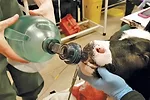
When faced with a weak or unresponsive calf, producers can clear airways using methods such as acupuncture or tickling the calf's nose to stimulate breathing. Artificial respiration, similar to CPR in humans, is another option.
After a hard birth, some calves are dull or even unconscious from oxygen shortage and fail to start breathing. But there are things producers can do to help calves start breathing.

 RSS
RSS