We use cookies to provide you with a better experience. By continuing to browse the site you are agreeing to our use of cookies in accordance with our Cookie Policy.
Several serious livestock diseases are caused by a group of bacteria called clostridia that can produce deadly toxins. Many cattlemen are familiar with blackleg, tetanus and enterotoxemia, but some may not be familiar with redwater.
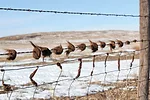
Cattle with hair loss, an unthrifty appearance, and leaving hair on fences and other objects from rubbing may be a sign of lice infestation. The impact of cattle lice can range from reduced weight gain to animal mortality and everything in between.
Five species of lice parasitize cattle in the U.S. Four of these are blood feeders, and the fifth is a biting or chewing louse. Cattle with hair loss, an unthrifty appearance, and leaving hair on fences and other objects from rubbing may be a sign of lice infestation.
The best way to treat flies is to first understand what fly you are treating for. Remember: Face flies are found on the face, stable flies are found on front legs, and horn flies are found on the back and sides.
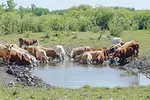
Summer grazing means dealing with parasites. Parasites can not only affect the animal physiologically but also a producer's bottom line economically. The best outcomes come from parasite management that considers both.
Summer is here, and that means cattle are grazing, and with it, dealing with parasites. Deworming is a herd management practice that can yield a significant return on investment.
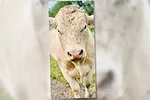
Face flies are a common pest many cattle producers have to deal with, especially in the summer months. While there are many control options available, selecting the most effective one and implementing it in a timely matter is essential.
Face flies are pests of pastured livestock animals such as beef cattle and horses. The face fly is a robust fly that resembles the house fly in appearance.

 RSS
RSS