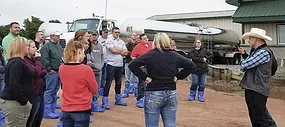
A part of my job that I truly enjoy and that has the most impact on our clients’ operations is milk quality audits. For dairy producers, milk quality directly impacts profitability and long-term herd health. A farm audit is more than just a compliance check; it’s a proactive tool to improve animal welfare, maximize milk premiums and reduce costly issues such as mastitis and bacterial contamination of the bulk tank. By spotting key control points, audits can highlight where small tweaks can make a big difference and boost profitability or avoid major disasters from happening.

When conducting these audits, I look at those points that usually cause problems. While some farms conduct these audits annually, most will call in experts like me when issues such as high bacteria count on the bulk tank or elevated somatic cell count (SCC) start affecting their milk check.
In this article, I will talk about the three areas where most issues occur: cows, equipment and people.
1. Cows: Cleanliness and mastitis control
One of the most common contributors to milk quality problems is poor cow hygiene. About 70% of the milk quality problems I observe on farms are due to cow cleanliness. Even with the best premilking prep routine, you can only remove 80% to 85% of bacteria from a cow’s teat. If the udder starts with 1,000 bacteria per square millimeter, that leaves 150 behind. But if a cow enters the parlor with 100,000 bacteria per square millimeter, she will be left with more bacteria on her teat skin than the first cow had to begin with.
Be sure to:
- Regularly groom stalls and remove manure and wet bedding after each milking – or at least once a day for nonlactating animals.
- Properly design stalls for your herd’s average cow to ensure that manual stall cleaning will only be necessary in about 5% of the stalls. Cows should lie with their hip bones right over the edge of the bedding, reducing chances of manure, urine and/or uterine discharge falling on the bed, right where usually the udder sits.
- Keep bedding clean and dry and at a proper level of fill. Pay special attention to recycled bedding quality because moisture and high organic matter load promotes bacterial growth.
High somatic cell counts: Mastitis on the rise
SCC is a key indicator of udder health, with high counts signaling mastitis – clinical or subclinical. Mastitis, for the most part, comes from environmental or contagious sources.
Environmental mastitis most often occurs when bacteria from bedding, manure or accumulated water reach the teat. Poor stall hygiene and dirty or wet crossovers and alleys greatly increase this risk.
Contagious mastitis usually spreads from cow to cow, often during the milking process, due to improperly sanitized equipment or poor milking hygiene.
For controlling mastitis, consider the following:
- Collect regular bulk tank cultures to monitor the pathogens present on the farm.
- Maintain proper records of an animal’s treatment and treatment choices. Animal history should play an important part in the decision-making process of treating or not treating an animal.
- Conduct milk cultures before the treatment of mild cases of mastitis. About 60% of mastitis cases won’t respond to antibiotics, so they are not necessary. Milk cultures help determine if there are good chances of a cure and if treatment is necessary.
- Optimize milking procedures. Overmilking damages teats, creating calluses (hyperkeratosis) that trap bacteria. Calibrate your automatic takeoffs to leave a small amount of milk in the udder (about 1 cup total) to prevent overmilking.
- Ensure proper postmilking care. Use a post-dip that is effective and promotes good skin condition. Provide access to water and feed to encourage cows to remain standing for at least 30 minutes postmilking to allow the teat sphincter to close and reduce infection risk.
2. Milking equipment
Sanitation and maintenance
Bacteria can also survive and even thrive in milking equipment if it’s not properly cleaned and maintained. Milk residues and mineral deposits create a surface (biofilm) where bacteria can attach and multiply. For an effective clean-in-place (CIP) process:
- Use the right cleaning chemicals at the right concentration for your equipment and chosen CIP process, not forgetting to take your water type into consideration. Hard water requires special detergents to prevent mineral buildup and ensure proper cleaning.
- Ensure that each phase is done with the right water temperature, amount and flow for the adequate length of time. Regular evaluations (yearly) of the CIP process by your equipment dealer will prevent a lot of headaches.
- Regularly replace rubber components, such as liners and hoses, at the recommended intervals, as they degrade over time and can harbor bacteria. Some may think that if a liner isn’t torn, it’s fine, but with time, the rubber starts to degrade. It will start to crack microscopically and absorb milk components, changing its physical properties (strength, length, etc.) and becoming a breeding ground for bacteria.
Avoid overmilking
- Overmilking can cause hyperkeratosis (a callus at the teat end), skin cracks, teat congestion and increased susceptibility to infections, all of which negatively impact milk quality. I recommend leaving about 2 ounces of milk per teat at the end of each milking. This small amount of residual milk helps prevent overmilking, keeps cows more comfortable and promotes additional milk production.
- Have your equipment specialist test the vacuum level at the teat end. Too high a vacuum with poor milk letdown will lead to hyperkeratosis, delayed milk ejection and losses in milk production. Too low a vacuum leads to the milking process taking longer than necessary and decreases the parlor output.
3. People
Implement a standard operating procedure and monitor milking procedures
- Design a standard operation procedure (SOP) specific to your needs with input from your veterinarian, milk quality consultant and/or your equipment dealer.
- Train all milk technicians in the proper procedures (also cross-train cow ushers for the times they will need to fill in for missing personnel). This training may need to be in a second language appropriate to your workforce. Reinforce that we are not supposed to push cows to the parlor, but gently usher them to their enjoyable milking time.
- After training, ensure all workers follow the same teat cleaning and drying routine.
- Assure compliance by regular observation and correcting as necessary.
- Train all new employees by a supervisor or hired trainer. Training by another employee may get you the same results as the “broken telephone” game, where a message is whispered around a circle and becomes distorted.
- Retrain at least annually.
The bottom line: Prevention pays off
A milk quality audit reveals critical areas where small changes can make a big difference. Attention to detail at every step of the milking process helps ensure healthier cows, higher-quality milk and a more profitable operation. Keeping cows clean, happy and healthy is the key to success.