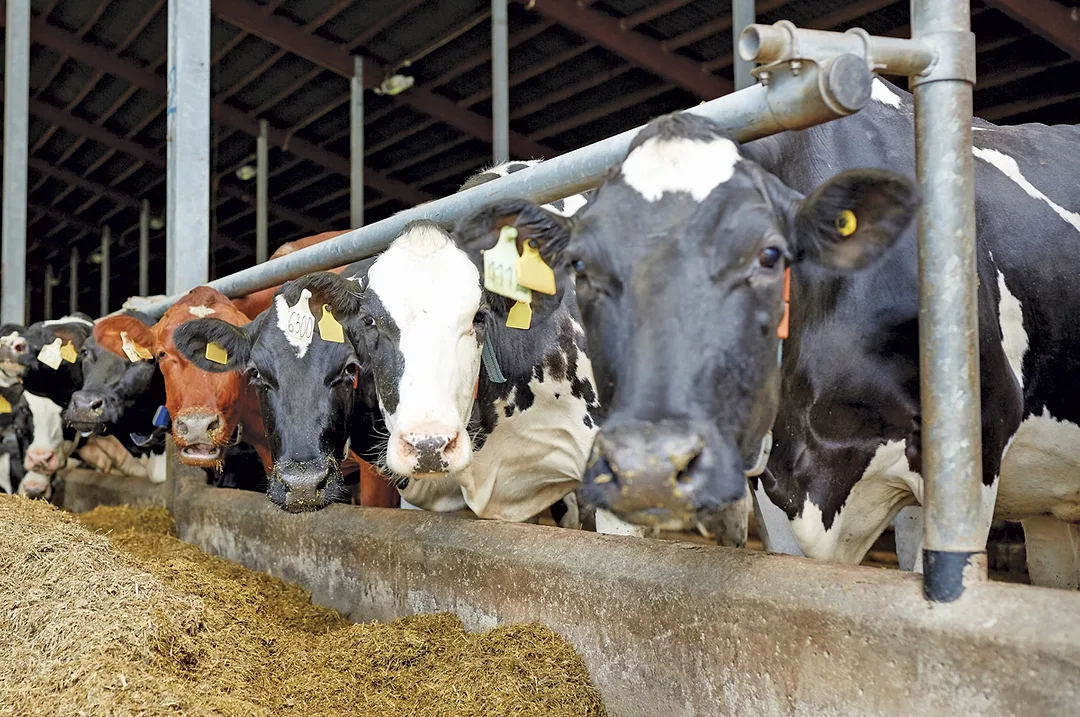
When it comes to bedding for dairy farms, choosing the right material can have a significant impact on both the health of the cows and the overall efficiency of the farm. One of the most popular options in the industry today is fine sawdust.

While many farms still use traditional bedding materials like straw or wood shavings, this material offers a variety of benefits that make it an ideal choice for dairy farmers looking to reduce costs and improve barn conditions. Here are some of the key advantages of sawdust as bedding.
1. Absorbency
One of the most significant benefits of fine sawdust is its superior absorbency. Fine sawdust is approximately 80% more absorbent than wood shavings, meaning it absorbs moisture and urine much more effectively. This increased absorbency helps keep the bedding drier for longer, reducing the frequency of bedding changes and minimizing the amount of material needed.
A drier bedding environment helps maintain a cleaner, more comfortable space for cows. With fine sawdust’s ability to soak up moisture quickly, producers can achieve a better balance of comfort and hygiene for their livestock – this can save both time and money as the need to constantly replace bedding material or add more to compensate for moisture buildup decreases. In the long term, this results in reduced bedding expenses, less labour spent on bedding changes and an overall more efficient farm operation.
2. Helps prevent mastitis and other health issues
Fine sawdust isn’t just beneficial for cleanliness – it also plays a crucial role in cow health. Excess moisture in bedding can create a breeding ground for bacteria, increasing the risk of infections like mastitis, a common and costly issue on dairy farms.
Somatic cell count (SCC), a key indicator of udder health, can rise due to mastitis-causing pathogens. SCC measures the number of somatic cells (mainly white blood cells) in milk and reflects the cow’s immune response to infection. Lower SCCs are associated with better milk quality and overall herd health.
By maintaining a dry and clean environment, fine sawdust can help reduce harmful bacteria and lower SCCs. This not only keeps cows healthier and more comfortable but also supports consistent milk production and reduces veterinary costs.
3. Easy to store and handle
Fine sawdust is incredibly versatile – offering various delivery and storage options to suit farms of all sizes – and is typically delivered in bulk, super sacks or smaller bags:
- Bulk loads are ideal for large farms that require a steady and frequent supply of bedding material. This option provides cost savings on delivery and is great for farms that have the equipment to handle larger quantities.
- Super sacks offer a middle-ground option, providing the convenience of bulk without taking up too much space. This option works well for medium-sized farms or those with limited storage.
- Small bags are perfect for farmers who don’t have the means to handle bulk deliveries. They allow for easy storage and are great for those who need smaller quantities of bedding material on a more frequent basis.
Having options makes it easier to manage bedding needs, regardless of the farm's size or equipment capabilities.
4. Cost-effective
Though the initial cost of fine sawdust may vary, it tends to be more cost-effective in the long run compared to other bedding materials. Due to its superior absorbency, fine sawdust is used in smaller quantities, meaning fewer deliveries and less material needed for each bedding change – which adds up to significant savings over time.
Happy, healthy cows are more productive: Improved milk production and potentially higher profits make this bedding type not only a cost-saving choice but also an investment in the overall success of the farm.
5. A sustainable choice
Environmental sustainability is an increasingly important consideration for many dairy farmers. Fine sawdust is often a byproduct of the wood industry, which means it’s made from material that would otherwise go to waste. Instead of being sent to landfills, fine sawdust can be repurposed as bedding for livestock, providing a more sustainable solution for farms.
By choosing this type of bedding, producers are helping contribute to waste reduction, while promoting sustainability in agriculture – this is especially important for those looking to lower their environmental footprint while maintaining efficient operations.
Final thoughts
Fine sawdust is a commonly used bedding option for dairy producers due to its affordability, effectiveness and potential sustainable benefits. Its absorbent properties helps keep barns drier which, in return, may reduce the frequency of bedding changes and minimize material usage. It also promotes cow health by reducing moisture levels that encourage bacterial growth, ultimately lowering veterinary costs and improving milk production.
With its versatility in delivery and storage options, as well as its long-term cost-effectiveness, fine sawdust can be a smart choice for farms of all sizes. Its environmentally friendly nature further adds to its appeal, therefore making it a sustainable choice for producers looking to reduce waste and enhance farm efficiency.
If you're considering a switch in bedding material for your dairy farm, fine sawdust offers a practical and cost-saving solution that benefits both your cows and your bottom line. Whether you run a large-scale operation or a smaller farm, fine sawdust may help contribute to a cleaner and more comfortable environment for your livestock, while improving your overall farm management at the same time.