Most leaders agree that people are the greatest asset of a business. But they can also present the greatest challenges.
This Manager issue features speakers and topics from Operations Managers Conference, a biennial collaboration between Cornell CALS PRO-DAIRY and the Northeast Dairy Producers Association (NEDPA). The conference brought together farm managers to network and explore management strategies around the theme of Empowering managers: Embracing diversity, consistency, and attitude for success.
ERIK THERWANGER
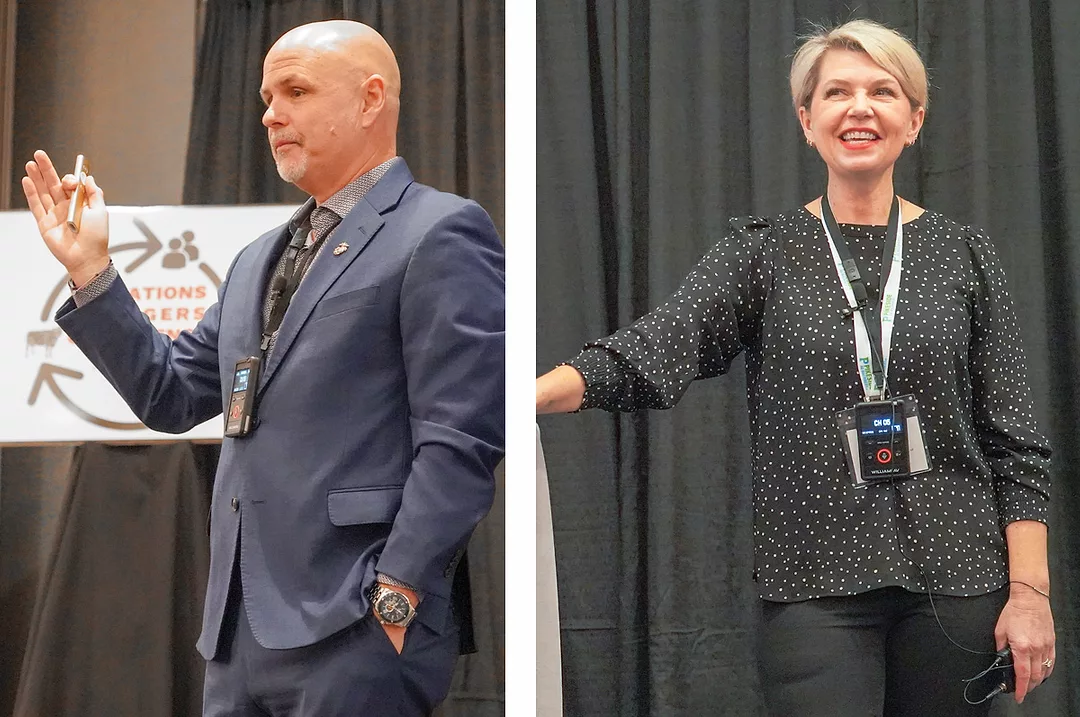
People are every organization’s greatest asset, yet often the source of workplace chaos, said keynote speaker Erik Therwanger, founder of Think GREAT.
“The Leadership Paradox, which every leader faces, is the phenomenon that our people tend to be the root cause of our problems in the workplace,” Therwanger said. “In most organizations, poor communication, subpar performance, lackluster accountability, and low morale all stem from, you guessed it, our people.”
Drawing from his experiences in the Marines, personal life, and business, Therwanger delivered a compelling presentation on transforming workplace challenges through effective leadership and offered insights on leading through chaos.
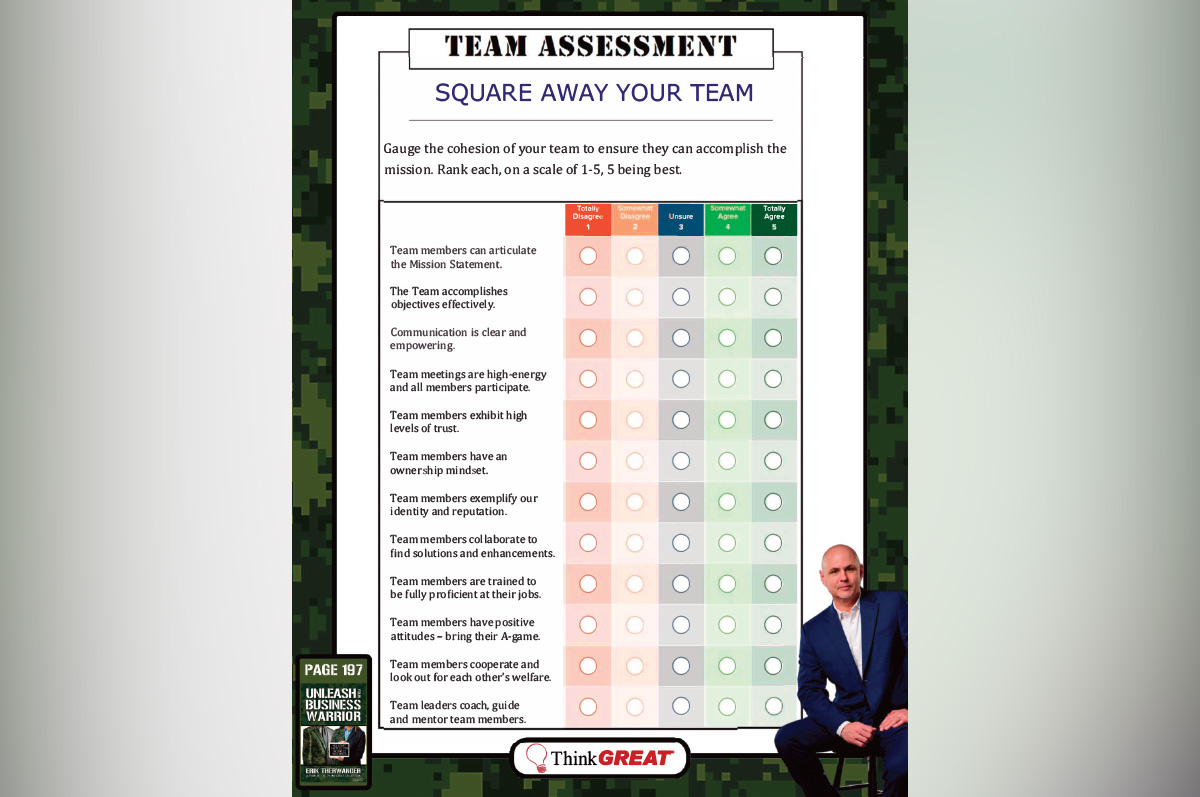
He stressed the distinction between groups and teams, emphasizing that true teams act cohesively toward common objectives.
“Most of us have a group we call a team, but we really want a team,” Therwanger said.
His presentation highlighted that leadership development, not just training, is crucial for organizational success and employee retention.
“Leadership development is crucial for organizational success,” he said. “Yet only one percent of training typically focuses on leadership.”
Key points included:
- People are an organization’s greatest asset but require proper leadership development
- Leaders should manage work but lead people
- Leadership requires both training and development - training alone is never enough
- Goal setting with clear timelines and public announcements helps achieve success
- Organizations should define what leadership means and establish clear leadership traits
- Teams outperform groups because they act cohesively toward common objectives
- Appreciation and recognition are crucial for retention and engagement
- Leaders should foster positive attitudes and enthusiasm
- Communication should be clear, empowering, and vision-focused
- Words matter - using terms like “team members” instead of “employees” impacts attitudes
Therwanger emphasized that leadership is a journey of continuous improvement, not perfection. He encouraged leaders to be intentional about empowering people, communicating effectively, and developing their teams to think and act like leaders.
MARIA WOLFE
Maria Wolfe, senior lecturer, Cornell University Nolan School of Hotel Administration, offered another keynote: “It’s not about me, it’s about you: Secrets of impactful communication.”
“Most people do not listen with the intent to understand,” Wolfe said. “They listen with the intent to respond.”
Wolfe shared actionable communication strategies focused on three main rules:
- Have something to say
- Say it
- Know when to stop talking
Key practical tips included:
- Active listening technique: Repeat back what you heard and ask “Is that what you’re saying?”
- Handle hostile people by avoiding confrontation and finding common ground
- Appeal to psychological triggers: liking (find common ground), reciprocity (exchange of favors), social proof (community influence), consistency (get small commitments), authority (use expertise thoughtfully), scarcity (highlight unique opportunities)
Appeal triggers
Liking
- Find common ground with others
- Use genuine compliments and flattery
- Build on shared experiences or interests
- Establish personal connections before making requests
Reciprocity
- People feel obligated to return favors
- Instead of saying “you’re welcome,” say “you would do the same for me”
- Give first, ask later
- Create social capital through small gestures
Social proof
- People follow what others in their community do
- Highlight what respected peers are doing
- Emphasize group consensus
- Show how others have successfully adopted changes
Consistency
- Get small initial commitments
- Have people put their name down or commit publicly
- Build routines and habits gradually
- Start with “let’s try” approach before bigger changes
Authority
- Use expertise and experience thoughtfully
- Don’t pressure or dominate
- Share knowledge gained from training/education
- Apply authority only when it genuinely helps others
Scarcity
- Emphasize unique or limited opportunities
- Don't overuse this principle
- Highlight special circumstances
- Create genuine urgency when appropriate
“It’s not manipulation if you come in with good intentions and you’re not going to hurt anyone - it works,” Wolfe said.
BREAKOUT SESSIONS
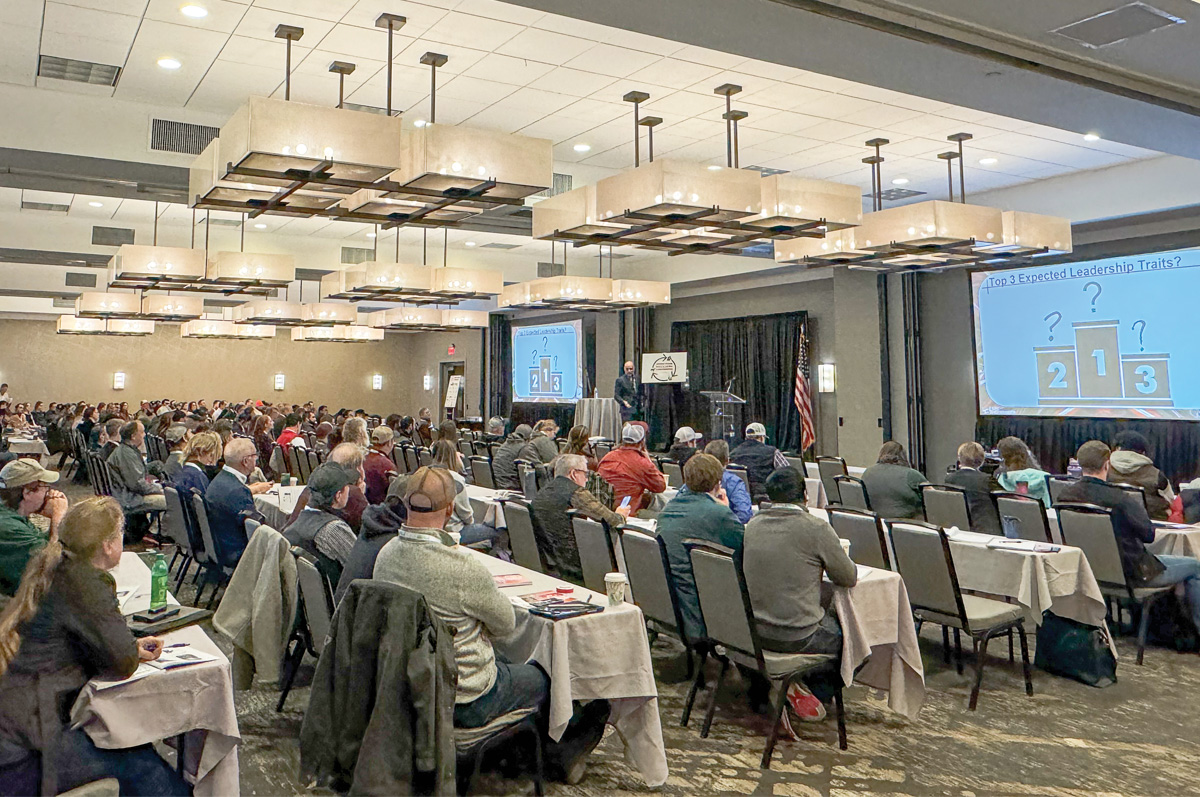
The conference also offered in-depth training breakout sessions in dairy production, crop management, human resources, and business operations. To ensure accessibility of education for all farm employees, this year’s conference introduced simultaneous Spanish translation during general sessions, along with additional breakout sessions offered exclusively in Spanish.
“With a focus on continuous improvement and ensuring tasks are executed effectively each day, the conference provided an engaging platform for dairy managers and allied industry professionals,” said Jason Karszes, PRO-DAIRY farm business management specialist and conference chair. “The diverse group of speakers delivered actionable insights, and the networking opportunities fostered meaningful connections among participants and presenters alike.”
“These conferences underscore the critical role of investing in the development of our farm staff and employees,” said Tonya Van Slyke, NEDPA Executive Vice President of Industry Relations. “As the future leaders of our industry, their dedication to enhancing farm productivity, fostering inclusive and diverse teams, and driving innovation in the face of challenges is both commendable and inspiring.”
The next Operations Managers Conference will be hosted in January 2027. To join the mailing list and for more information, visit cals.cornell.edu/pro-dairy.
 |
This article appeared in PRO-DAIRY's The Manager in August 2025. To learn more about Cornell CALS PRO-DAIRY, visit PRO-DAIRY. |