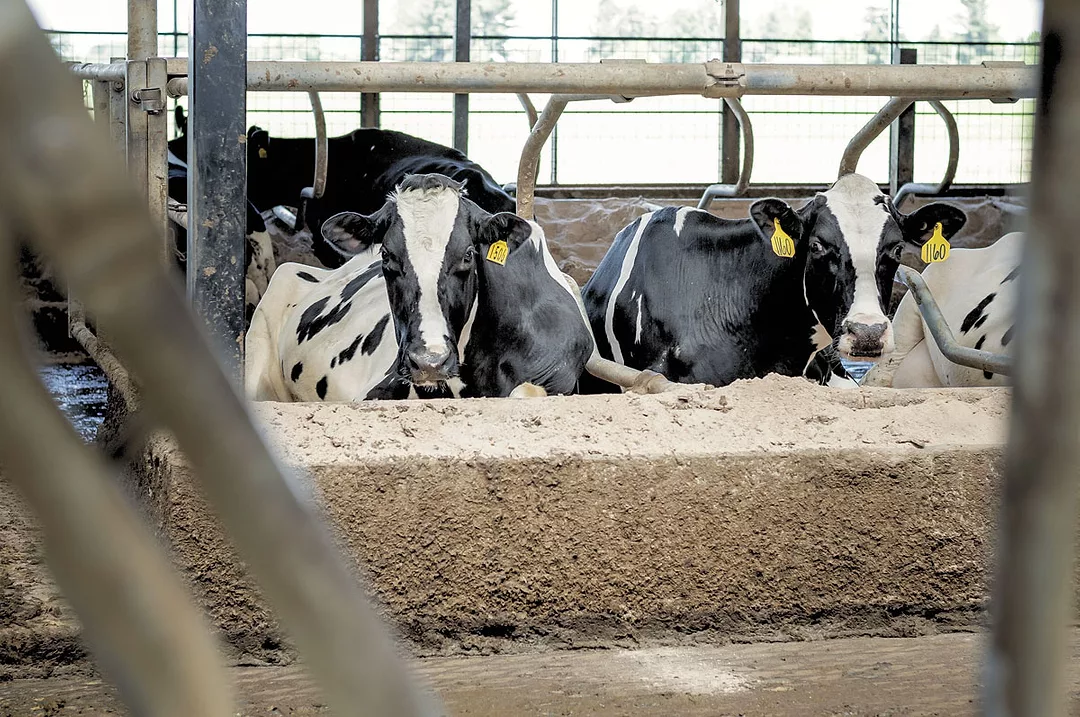
Choosing the right bedding is essential for cow comfort, herd health and overall dairy performance. Sand is a popular choice thanks to its comfort, cleanliness and long-term affordability – especially when paired with an effective recovery and recycling program.

But even the best bedding systems come with operational considerations. For dairies using sand bedding, recovery is key. Optimizing sand reuse helps protect your equipment and bedding investment. It also reduces maintenance costs and keeps valuable material where it belongs: supporting cow health and comfort, not building up in your storage systems, anaerobic digesters or fields.
Why sand recovery matters
Sand impacts nearly every area of your dairy, from the parlor to the fields and everywhere in between. Whether you're dealing with equipment maintenance headaches, planning to install an anaerobic digester or looking to reduce bedding expenses, efficient sand recovery can have a beneficial ripple effect across your farm.
Here is how sand recovery impacts the following key areas.
Lower bedding costs
One of the most tangible financial benefits of maximizing sand recovery is the reduction in bedding costs. Fresh bedding sand is a recurring expense that adds up quickly, especially for large herds. When dairies can recover and reuse 90% or more of their bedding, the need to purchase new sand drops significantly, saving a 500-cow dairy an estimated $100,000 a year. Recovered sand, when properly cleaned, dewatered and screened, can be just as effective for cow comfort as new material.
Improve equipment efficiency and limit maintenance
Sand is heavy, abrasive and naturally settles out of manure. Without proper removal, it accumulates in manure storage, reducing capacity and increasing hauling and cleanout costs. Sand also causes wear to pumps, valves and pipes, leading to frequent maintenance and potential equipment failure and replacement.
Protect soil health
Applying sand-laden manure to fields can gradually degrade soil texture and reduce infiltration. Over time, this decreases water absorption and increases runoff, leading to erosion and nutrient loss. Repeated applications, especially on finer soils, compound these effects. Removing sand before application helps protect long-term soil health and crop productivity.
Keep anaerobic digesters efficient
Digesters are built to handle organic material, not sand. Even small amounts of sand can reduce digester capacity, degrade performance and lead to costly downtime and cleanouts. For example, one farm spent millions of dollars to clean out its digester, which had become clogged with sand. Proper separation is key to protecting the integrity of the digester and enhancing its output. Sand separation and recycling are becoming more critical as the number of dairies adopting anaerobic digestion increases.
When sand gets missed
Even with a separation system in place, sand can still sneak through. The best systems cannot achieve a perfect recovery rate, but your goal should be to maximize sand recovery. If you’re not recycling at least 90% of sand, it is time to take another look at your system.
For example, lower recovery rates often happen when your equipment is not set up or calibrated to match the size and quality of your sand bedding.
Missed maintenance can also lead to missed sand recovery due to clogs or buildup, hindering the separation process. During freezing conditions or power outages, manure may bypass normal process operations altogether.
Water quality also plays a major role in maximizing sand recovery. If water is inconsistent or contains excess contaminants, it can interfere with separation efficiency, particularly in colder months. Recycled water can also become “thick” if it is not properly cleaned or maintained. It carries excess solids like fine organic matter, grit or manure residue and impedes the separation process.
The type of sand matters as well. If your sand quality changes – whether it becomes too fine or off-spec – even the most advanced separation systems may fail to capture it.
Also, keep an eye on your equipment as your farm grows. System sizing is an important aspect of proper sand recovery. An undersized system may allow manure to shortcut the separation process, leaving more sand in places it shouldn’t be.
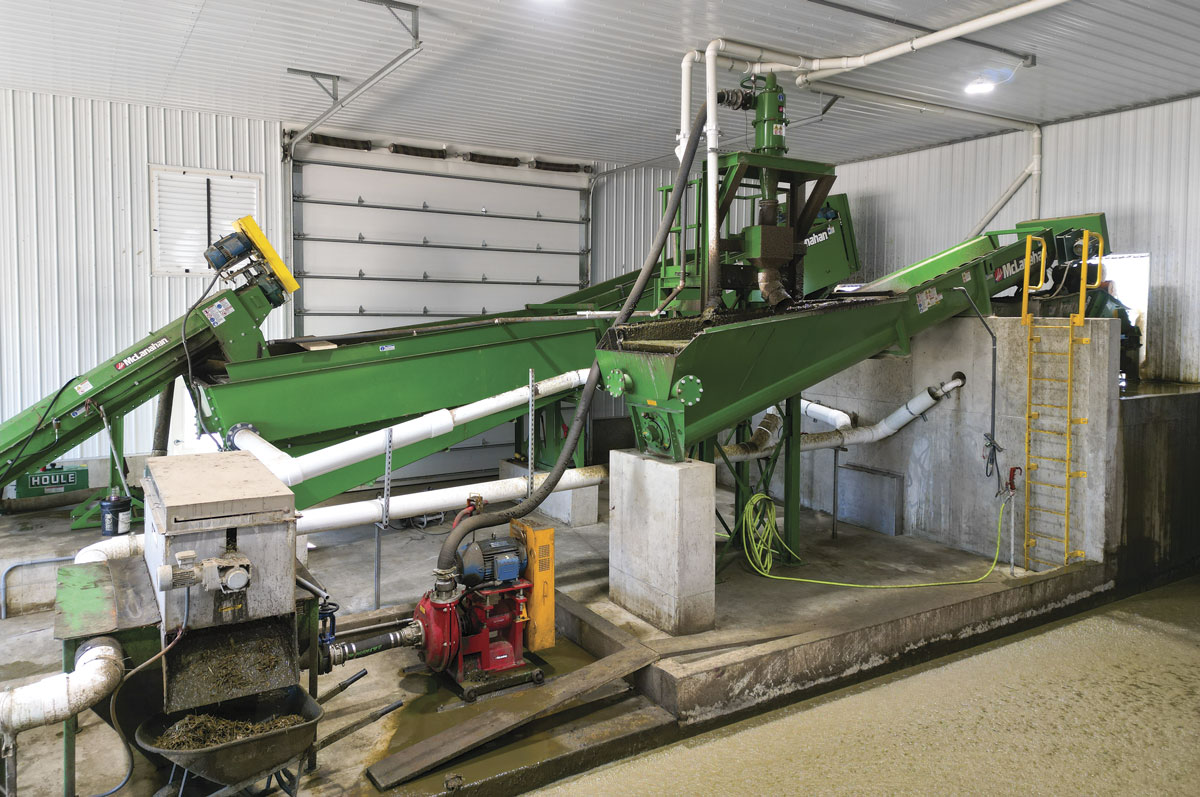
While 100% recovery may never be realistic, getting close – 95%, 96% or even higher – is entirely within reach with the right system in place. Image courtesy of McLanahan.
Simple ways to help maximize sand recovery
Small adjustments can have a big impact on the amount of sand you recover. To maximize sand recovery, consider these best practices:
- Maintain consistent flow rates. Too much or too little flow can allow sand to bypass equipment or settle too early.
- Agitate effectively. Proper mixing keeps sand in suspension long enough to be captured by separation systems.
- Inspect regularly. Check screens, wear components and flow patterns to catch issues early and prevent system downtime.
- Adjust for changes. Seasonal shifts in manure consistency, bedding types or herd size may require equipment tuning or additions.
Work closely with your manure management team to ensure your system is designed for your farm’s specific sand type, particle size and volume. You want a system designed with flexibility in mind, helping you adapt as conditions change.
Continued innovation pushes the boundaries
Traditionally, sand lanes and mechanical separators handle most of the heavy lifting when it comes to separating sand from manure. But technology is moving fast, and with it, the potential to recover more, finer sand is becoming a reality.
One of the most exciting tools on the horizon is a static cone that uses centrifugal force to spin heavier sand particles out of the mixture, concentrating and cleaning the sand for reuse. It's a dynamic step forward, allowing dairies to recover fine sand that often escapes traditional systems.
Also on the horizon is a new technology being tested on farms, which shows the possibility of capturing more sand in a single pass with fewer components and lower horsepower.
While 100% recovery may never be realistic, getting close – 95%, 96% or even higher – is entirely within reach with the right system in place. Each added percentage point means more reusable sand, less equipment wear, fewer breakdowns and better return on investment for your dairy. That’s why it’s critical to evaluate your system, fine-tune it and maintain it.
The future of sand recovery is taking shape through a combination of field-proven methods and next-generation technologies. As it comes into focus, the outlook is looking cleaner, more efficient and more cost-effective than ever before.
Hidden sources of sand
Even if sand isn’t used for bedding, most dairy farms still grapple with the persistent presence of nuisance sand. Unlike bedding sand, nuisance sand isn’t intentional. It’s uninvited, usually fine-grained and difficult to detect or control. Common sources include windborne blow sand, field runoff, contaminated feed, equipment traffic and even the livestock themselves. It collects in manure pits and digesters, where it causes clogs, damages equipment and leads to increased maintenance. Left unmanaged, this sand builds up and adds costly stress to manure handling systems.
Fortunately, dairy producers can take steps to mitigate its impact. Proactive strategies like installing windbreaks, keeping sand-contained areas protected, washing down equipment and adding sand separation systems before storage or digestion help reduce sand infiltration. These practices not only protect equipment and lower maintenance costs but also improve overall efficiency in manure management.