Motivation isn’t magic – it’s just five things. And on a dairy, where the rhythm of the day starts before sunrise and doesn’t stop for holidays, keeping your team engaged isn’t just nice – it’s necessary.

Over the years, I’ve worked with dairies across the country, and one truth keeps surfacing: Motivated teams have healthier cows, solve more problems and stick around longer.
So how do you motivate? It turns out the brain has a built-in reward system that lights up when five key needs are met. I call them the 5 C’s of motivation: control, certainty, connection, clout and consistency. Let’s break them down – with examples straight from the barn.
1. Control vs. lost control
The human brain loves to feel in control. When employees feel they have no say, motivation tanks. But when they’re given even a sliver of autonomy, engagement rises.
On one Wisconsin dairy, the herdsman let each milking crew choose their own playlist for the parlor. It didn’t change protocols, but it gave the team a sense of ownership. Another farm allowed feeders to help design the layout of a new commodity shed. They didn’t pick the concrete thickness, but they did decide where the mineral bins went – and they took pride in it.
Ask yourself: Where can you give up a little control to gain a lot of buy-in? Could your team vote on the next staff lunch? Choose the color of new barn shirts? Decide how to rotate weekend shifts? Giving control to your team doesn’t create chaos; it creates collaboration.
2. Certainty vs. uncertainty
Dairies are full of variables – weather, markets, cow health – but your team shouldn’t feel like their job is one of them. Uncertainty breeds anxiety. When employees don’t know what’s expected, or when plans change daily, they start to disengage. One farm I visited had a manager who changed the work teams every week “just to keep people on their toes.” Instead, it kept employees on edge.
Certainty comes from clarity. Post the weekly schedule in the breakroom. Share the goals for the month – whether it’s SCC targets or calf growth rates. If you’re trying a new protocol, explain why and how long the trial will last. And when things do change (because they will), communicate early and often. A five-minute huddle at the start of the day can prevent five hours of confusion.
3. Connection vs. disconnection
People don’t just work for a paycheck; they work for people. When your team feels connected to each other and to you, they’ll go the extra mile. Connection starts with knowing names and using them. It grows when you ask about someone’s family or remember their birthday, but it really deepens when you build something together.
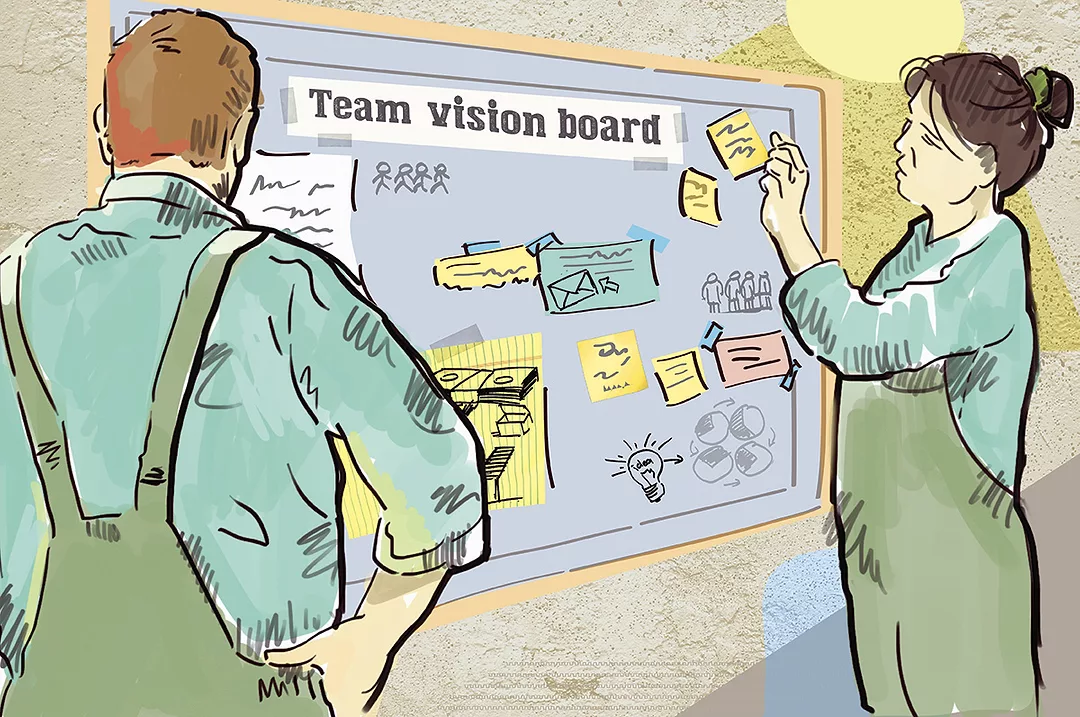
One dairy in Idaho created a team vision wall in the breakroom. Each employee wrote down what they wanted the farm to be known for. Cleanliness. Cow comfort. Teamwork. Then, they picked one goal to focus on each month. Suddenly, it wasn’t just the owner’s farm – it was everyone’s.
Want to build connection? Try daily huddles with a quick “segue” question: What’s your favorite dairy product? What’s one thing you’re proud of this week? What have you learned this week? It takes 60 seconds and builds trust over time.
4. Clout vs. lost clout
Everyone wants to feel important. And on a dairy, where the work is hard and the hours are long, recognition matters. Clout isn’t just about raises or titles. It’s about being seen.
When the owner of a 2,000-cow dairy in Texas started writing handwritten thank-you notes to employees who caught a sick cow early or helped a new teammate, morale soared. One feeder kept his note pinned above his bunkhouse bed for months.
Invite your top performers to join you at a dairy conference. Ask for their input on a new SOP. Let them lead a team meeting. These small gestures say “You matter. You’re not just a pair of boots – we see your brain, too.”
5. Consistency vs. inconsistency
Nothing kills motivation faster than favoritism or unpredictability. If one employee gets away with being late while another gets scolded, trust erodes. If team meetings happen “whenever,” they eventually happen never.
Consistency builds credibility. It means showing up on time, following through on promises and treating everyone with fairness – even when personalities differ. One farm in Minnesota created a consistency calendar with recurring events, including weekly team meetings, monthly one-on-ones and quarterly reviews. It wasn’t fancy, but it was reliable. And that reliability built respect.
Consistency also means holding yourself to the same standards. If you expect clean language in the parlor, model it. If you want punctuality, don’t be the last one to the barn.
Parting thoughts
Motivation isn’t about pep talks or posters. It’s about meeting the brain’s basic needs – every day, in small ways. When your team feels a sense of control, certainty, connection, clout and consistency, they don’t just show up – they step up.
So next time you’re walking the pens or grabbing coffee in the breakroom, ask yourself: Which of the 5 C’s am I activating today? Because when you motivate your people, they’ll perform and stay around – and that’s a win for everyone.