While farming, I once asked one of my team members standing nearby if they could vaccinate a cow. The team member nodded, took the auto syringe with 6 cc's left in it and went to the pen. Ten minutes later, the auto syringe came back empty. Instead of giving the correct dose, the cow received three times the amount.
No one intended to do harm. The team member thought they were doing exactly what was asked. I assumed they knew to dose once, at 2 cc's. Both of us had the best intentions, but somewhere between instructions, understanding and execution, the protocol broke down.
This isn’t a rare story. On every dairy, misunderstandings like this happen, sometimes in dosing, sometimes in colostrum feeding, sometimes in milking prep or tagging calves. While some missteps can be costly, almost all point back to the same root cause: people interpreting protocols differently.
Why misunderstandings happen
Protocols are supposed to create clarity, but if the wording is vague, the visuals are missing or the explanation is rushed, people fill in the gaps with their own logic or past experience. Add in pride, eagerness to please or not wanting to slow things down by asking questions, and drift creeps in fast.
Culture can add another layer. On many dairies, team members come from backgrounds where nodding or saying “yes” may be more about showing respect than signaling true understanding. Without a follow-up check, that small gap can turn into a big mistake.
That quiet yes might actually mean:
- “Yes, I heard you.”
- “Yes, I’ll try, but I’m not sure how.”
- “Yes, that’s how I’ve always done it somewhere else.”
On paper, compliance looks fine, but the barn reality can be very different. Research backs this up: A Spanish study found that structured milking training cut mistakes by about 20% while improving udder health. A U.S. study found antimicrobial treatments were not followed in nearly 30% of cases, but simple retraining methods dropped errors by almost a quarter.
The message is straightforward: Misunderstandings are common but preventable. Clear words, visual aids, cultural awareness and quick follow-ups all help ensure that “yes” truly means “I understand.”
The cost is more than money
The cost of a broken protocol isn’t just dollars and cents. Wasted vaccines, sick calves or lost milk are easy to count, but the hidden cost is trust. A broken protocol might waste $50 in medicine, but it can also cost you the confidence of your workers and the reputation of your dairy if it leads to confusion, violations in drug withdrawal periods or failed milk tests.
When team members feel blamed or farmers feel ignored, confidence erodes. That’s why misunderstandings should be treated as system issues, not individual failures.
Building understanding, not just rules
Here are five strategies progressive farms are using to reduce protocol drift:
-
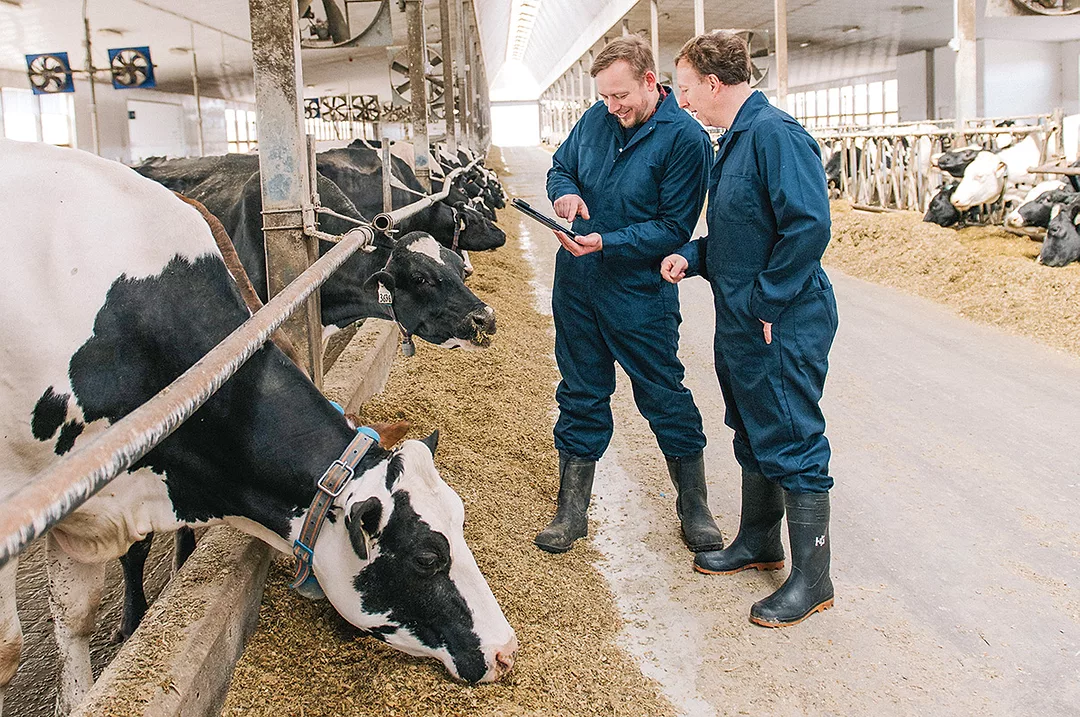
Teach-back, don’t just tell – Explaining isn’t enough; you need to check what was actually understood. In the syringe story, I assumed everyone knew the auto syringe was set to deliver 2 cc's per squeeze, one squeeze per cow. The team member, used to a regular syringe, thought the whole thing needed to be emptied into the animal. A simple inquiry such as, “Walk me through how you’ll use this auto syringe,” would have revealed the mix-up immediately. That one sentence could have prevented an overdose and turned a near miss into a training moment. Teach-back, or confirming someone’s understanding by asking them to explain it back to you, is a simple and effective way to avoid costly misunderstandings.
-
Make protocols visual and practical – Photos showing “this much paste” or “eartag goes here” are far clearer than words alone. Sound matters, too: Playing recordings of the correct pulsator rhythm helps team members know what “right” sounds like. Modern farm apps make it easy to store short videos, sound clips or photos right in the protocol.
-
Create a safe space for questions – Nods don’t always mean understanding. Sometimes they mean "I don’t want to look slow or incompetent." Reinforce that asking questions shows professionalism, not weakness. Show appreciation when someone asks for clarification: It’s a signal of trust, not doubt.
- Repeat and refresh regularly – Training is never a one-and-done. People, like cows, thrive on routine. Some learn by reading, others by watching or doing. That’s why it helps to revisit protocols in different ways. A simple exercise is giving each team member a sticky note, and asking them to build the steps of a task on a wall. It’s quick, visual and gets the whole team engaged. Pairing new and experienced staff keeps questions flowing and routines sharp.
- Use tools that support continuous learning – Digital tools can back up barn training and save time. Start with a live demo, then let team members review it later through short videos, photos or audio in their own language. Some farms use group chats or photo albums, and others use apps that store everything in one place. The key is picking a system that fits your team and makes learning easy.
Turning missteps into progress
That syringe story could have been just another frustration. Instead, I used it to remind myself to slow down, explain things clearly and check for understanding. Every farm has its own slip-ups: an eartag too high, not enough paste so a horn grows back or twisted newly installed liners. The key is not hiding these mistakes but using them to strengthen systems and communication. Progressive farms are learning that protocols aren’t about punishment or paperwork; they’re about building trust, clarity and confidence across the team.
Takeaway
A dairy runs its smoothest when every yes truly means “yes, I understand.” Investing in clear communication, layered training and modern tools pays back in healthier cows, more confident team members and less stress on the whole farm. At the end of the day, genetics, feed and equipment matter, but the smartest investment is still in the people. When the team understands, asks questions and takes ownership, protocols stop being rules and start becoming habits. And really, what’s worth more: a shiny new tool in the parlour or a team that knows how to get it right every single time?