We’re getting to the end of 2025, so hopefully most forages were harvested, packed and sealed properly and are busy fermenting. Given the size and diversity of the acres to grow the U.S. corn crop, weather variabilities happen everywhere. We’ve heard of drought in the Great Lakes area, too much moisture in the Midwest, a wet spring and late planting, pollination issues that affected grain set and many more. Depending on your location, you may have experienced some of these situations.

Variability isn’t ideal for any situation on a dairy farm, but one way to get through variation is knowing when it’s coming. If you tested forages when they came off the field, you should have a pretty good idea of the quality of forages you have on hand. Depending on your growing season, though, there may be hidden challenges you need to prepare for.
Was your growing season wet?
Many parts of the country saw ample moisture throughout the growing season and harvest, with some getting more than enough. Too much moisture is not a friend of quality silage harvest, and if you’re in this category, there are certain things to be aware of.
- Clostridia, salmonella and E. coli thrive in wet conditions. These pathogens are everywhere in the environment and have a way of contaminating feed during harvest. Clostridia will be present in a field, especially if manure was used as fertilizer. In wet conditions, mud carrying clostridia can go from the field into harvested forage and lead to contamination. Any pathogen, including salmonella and E. coli, thrives in wet conditions and pathogens can eventually make it into the cow’s gut.
- Certain strains of mycotoxins are more prolific in wet conditions. Wet and humid growing conditions are generally associated with greater mold growth, which leads to mycotoxin formation in the field and in storage. Specific mycotoxins that benefit from wet conditions during growth, harvest and storage are fusarium strains. Make sure to test forages for the types of mycotoxins present and plan a strategy to mitigate their impact.
Did you have dry weather?
Not all growing conditions are the same across the entire country, and some areas saw drought conditions. While wet conditions have their own set of challenges, drought-stressed corn can provide problems as well.
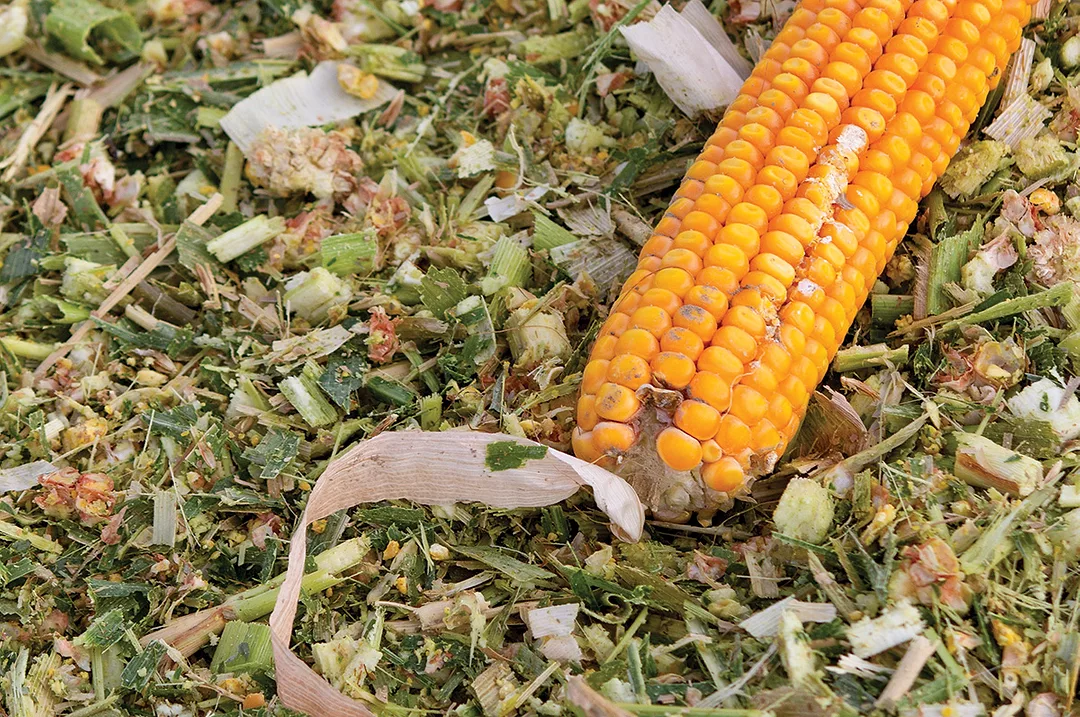
- Lower yield. Drought stress, especially during grain filling on the cob, can have a significant impact on yield. Less grain on the cob also has an impact on energy levels and starch availability.
- A different kind of mycotoxins. Aflatoxins and fumonisins are strains of mycotoxins more prevalent during dry conditions. Again, make sure to test to determine what strains are available to develop a mitigation strategy.
- Watch maturity levels. Hot, dry conditions may have caused corn to dry down quickly. Unless you hit the ideal maturity window, you may have harvested corn past its ideal harvest condition. This could have had an impact on fermentation as well as eventual digestibility. You will need to plan for that variability when it comes to feeding.
- Watch energy levels. Corn silage energy level is driven by the amount of corn present, which is impacted significantly by what happens during the growing season.
If you had a wet spring and corn got planted late, grain yield could be impacted, which would lead to fewer corn kernels in the harvested forage. If conditions were ideal, as they were in many areas of the country, you may have had great tonnage. While more tons is great, the ratio of grain to plant could be low, which would impact energy levels. Also, there were many reports of tasseling and pollination issues, which would have a negative impact on grain yield.
Prepare for variability
These factors point to a common theme for dairy farmers: variability. As we know, cows don’t appreciate variability and prefer consistent feedstuffs delivered in their normal ration, at the same time and in the same amounts every day. Your best option is to take steps to minimize variabilities in your ration and prepare your cows for changes that may come their way.
Even when forage harvest is ideal, and you practice proper feed handling and hygiene practices, pathogens can find their way into the diet and into the cow’s gut. Feed ingredients that include bacillus technology can inhibit pathogen populations in the gastrointestinal tract and improve hindgut integrity. The benefits of bacillus may go beyond pathogen protection. Through our research we’re also finding that certain bacillus strains have an impact on the digestibility of specific ingredients, like fiber, starch or proteins.
Mycotoxins are like bacterial pathogens; they are ever-present in the environment. Refined functional carbohydrates (RFCs) help support digestion in the rumen while protecting the hindgut from pathogens and mycotoxins. RFCs can bind to pathogens and mycotoxins to reduce their impact.
With the variability in plant growth and grain set, digestibility and starch availability could be an issue. If you took forage samples at harvest, remember that fiber digestibility will look relatively similar at harvest as it does at feeding. However, starch digestibility could be significantly different because the longer forages are in storage, the more starch digestibility will improve. It is important to adjust your rations accordingly. Work with your nutritionist to identify optimal testing periods and protocols to stay on top of starch variability.
The basic principles of proper corn silage harvest are the same regardless of where you are located. Even if silage is harvested quickly at the right maturity and you get it stored, packed and covered as timely as possible, there could be significant variability in the type of plant that is harvested depending on weather conditions during the growing season and during harvest.
Cows don’t like variability, so it is important to think back on what happened during your growing season to anticipate challenges you might be facing when it comes time to feed those stored forages. Work with your nutritionist to plan for those challenges so your cows can enjoy a consistent ration.