
Cold weather is a critical time for proper care of both humans and animals. Severe winter weather is stressful and can occur suddenly. Make sure you’re prepared now to avoid extra stress in the moment. Working outside is a necessary part of farming but requires extra precaution in the winter. Freezing temperatures, dangerous windchills, ice and increased demands on our bodies are all factors to contend with.
Here are some tips to help you, your family and your employees feel your best as temperatures drop this winter.
- Food and water. Like cattle, humans have a higher need for a nutrient-dense diet and water in the winter. We are using more energy for warmth on top of usual energy expenditures. Eat a diet that is rich in complex carbohydrates, protein and healthy fats. Dry winter air means more water is evaporated from our bodies. Drinking enough water each day also helps our energy levels. Save time by making meals in advance and individually packaging them for grab-and-go any time of the day.
- Outerwear. Dress in layers from head to toe. Wool is a great insulator in cold weather. Make sure to cover the head, hands and face. Any exposed skin on the face (such as around the eyes) can be protected with a thin layer of petroleum jelly. (Please note petroleum jelly will freeze in temperatures/windchills below minus 49ºF).
- Wellness. Focus on physical, mental and emotional needs. Take care of your body with proper attire, a balanced diet, enough water and plenty of sleep. Equipment will break, water lines will freeze, and people will be grumpy. Give yourself and others grace and plan for extra time for all tasks. Be sure to take breaks to warm up and take your mind off of farming – even for 10 minutes.
- Safety. Pay attention to frostbite times and plan outdoor chores accordingly. Have a plan for clearing snow and managing ice and precipitation events. For extended outside and/or drive time, consider wearing sunglasses to protect against snow blindness. Ensure everybody working on the farm has appropriate clothing and cold-weather gear. It’s also important to have contingency plans in place for power outages and other issues.
Preparing your cattle for severe winter weather
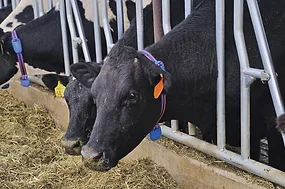
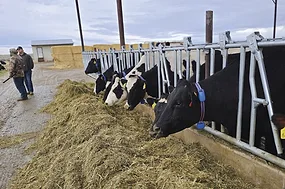
Both dairy and beef cattle are incredibly hardy. Cattle can live outside in the winter and do quite well even during winter storms if provided with a few key components.
- Acclimation. One of the most critical factors for your cattle is acclimation to the weather. Cattle expected to live outside during the winter should remain outside to adjust to the changing conditions as winter approaches. This will allow the cattle to grow a thick hair coat in preparation for the cold.
- Windbreak. A windbreak is the most important factor for the success of your cattle riding out severe winter weather. Cattle will often seek out windbreaks if one isn’t provided and prioritize getting out of the wind ahead of food and water in severe winter weather. Stands of trees, stacks of round bales, buildings or other man-made structures are examples of effective windbreaks. Windbreaks should be relatively tall, and the material should allow a small amount of wind to pass through. This helps prevent a downdraft when the wind passes over the top of the windbreak.
- Bedding. After a windbreak, keeping cattle dry is the next most crucial factor for successfully getting through severe winter weather. Building a defined bedded pack behind your windbreak is one of the best ways to provide a dry place for your cattle. Packs work best when you start with a reasonably deep absorbent base and when a thin layer of new bedding is applied daily. If you don’t have a bedded pack usually, it is still very beneficial to provide deep bedding behind your windbreak when you know severe weather is approaching.
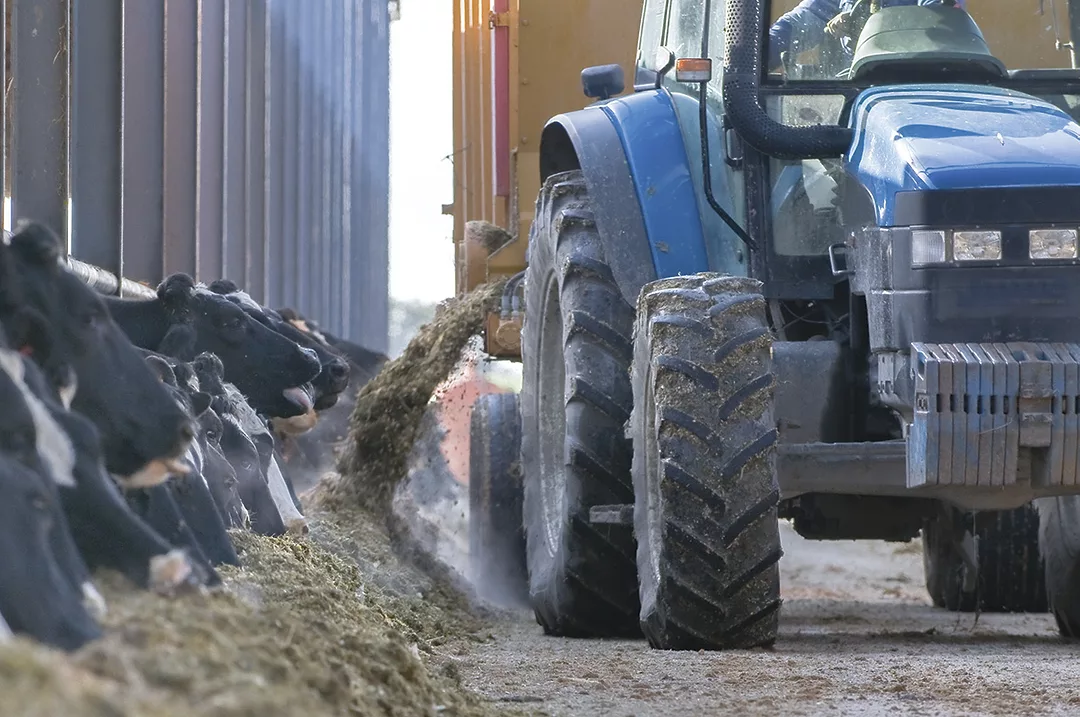
- Feed. In extreme cold, cattle require more calories to maintain their body condition and stay warm. When the temperature approaches 0ºF, you can expect to feed about 30% more than you would at temperatures above 32ºF. Using your feed to congregate your cattle where you want them to be ahead of incoming severe weather is a great strategy. When a storm is approaching, place feed behind your windbreak to encourage your cattle to stay there.
- Water. Often forgotten, water is a key element to the health of your cattle. During severe winter weather, water access can be compromised and should be checked daily in the winter months. Without adequate water access, cattle will not eat as much and will lose body condition. If water is unavailable for long enough, cattle will attempt to eat snow, but they cannot consume enough snow for their water needs.
- Avoid drifting snow. Creek bottoms, swales and other similar landscape features can be tempting places to use as windbreaks for your animals. The problem with using these locations is that they are the prime locations for drifting snow. High winds combined with snow can create deep drifts that cause access issues for feeding cattle, water access issues and buried cattle. It is better to avoid these areas if possible and set your cattle up for success in a place where heavy drifting is less likely.