Late September in Wisconsin brought an unexpected ride-along invite as Claas wrapped up their Jaguar 1000 Series demo tour. Alan Osterhaus, a territory product specialist, coordinated the tour and shared his expertise in hay tools and forage harvesters. His role in dealer training and key account visits made the experience even more insightful.

At Crave Brothers near Waterloo, the silage crew from H&M Custom Ag Services LLC was working in sync – chopping, hauling and packing silage. I hopped in the cab with Jason Hoesly to talk about the 2025 harvest, the challenges of 2025 and what keeps him going during the busiest time of year.
What’s the best part of silage harvest season for you?
HOESLY: The income, working with different farmers and the thrill of the harvest.
What’s your preferred piece of equipment to run during harvest and why?
HOESLY: The pack tractor, hands down. It might not be the flashiest job, but it’s one of the most important when it comes to silage storage. If you don’t get a good pack, you’re inviting spoilage and shrink.
Do you have a standout year that you’d call your best harvest ever?
HOESLY: This year – without a doubt. I’ve been doing this for 10 years, and 2025 is the best I’ve seen. Yields are up about 10%, the weather is cooperating, the crew is focused and the equipment is running smooth – it’s rare to have a season where the pieces fall into place like this.
What’s one of your most memorable moments?
HOESLY: In 2015, when I bought my first chopper – a Claas 880. That moment marked a major step forward for my business.
What are you constantly watching for during the harvest process?
HOESLY: Weather and safety. Safety is non-negotiable – there’s a lot of moving parts, large equipment and a race against the clock. One distraction can turn into a serious accident. We make sure everyone’s communicating and watching out for each other. And weather? It’s the wildcard – rain can shut us down or change moisture levels, so I’m always checking the radar.
If money weren’t an issue, what’s an upgrade or change you’d make to your harvest setup?
HOESLY: Everything – new choppers, new trucks, new pack tractors. Efficiency is everything during harvest, and with unlimited resources, I’d build a setup that runs like clockwork – less downtime, better feed quality and a better experience for the crew.
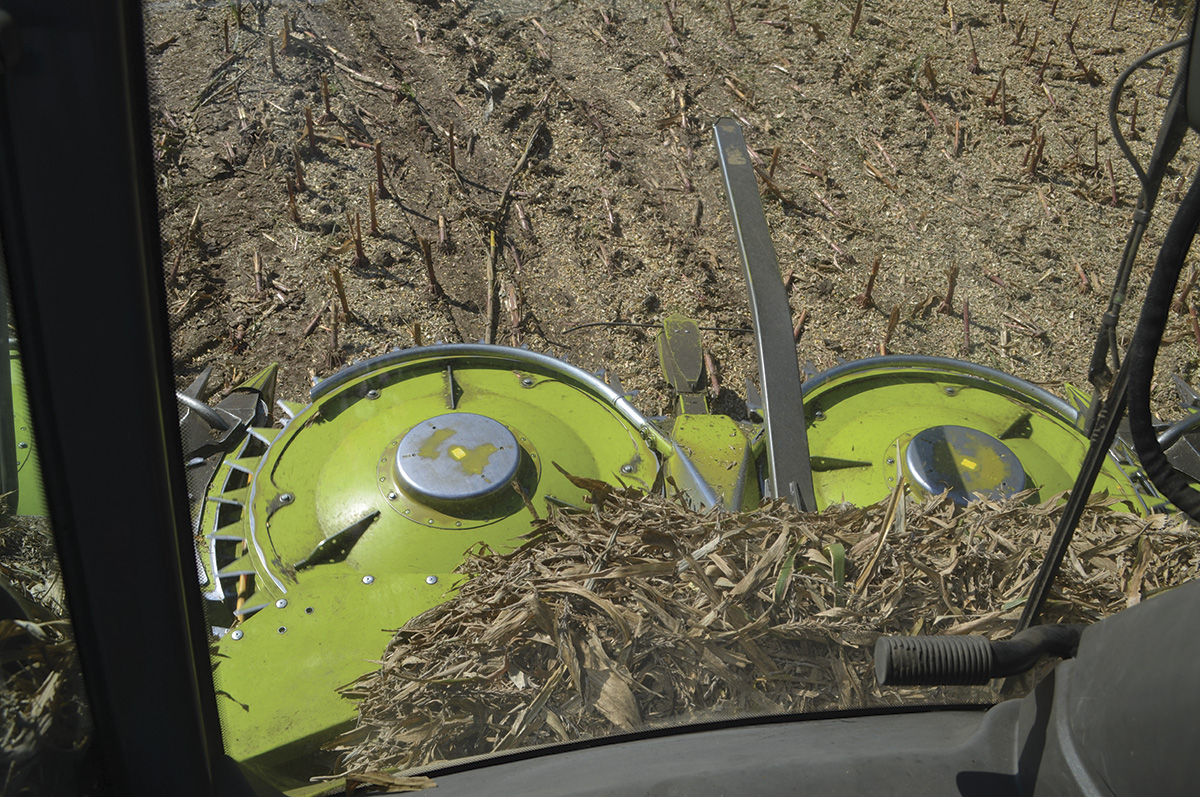
The forage harvester is equipped with rotary cutting drum, crop accelerator and adjustable chute for efficient silage production. Image by Marian Viney.
How has silage production or storage changed since you started doing this?
HOESLY: All of the equipment is bigger and faster. Choppers move through fields at speeds we couldn’t imagine 10 years ago, and the trucks can haul more with fewer trips. Even the pack tractors have more weight and horsepower, which means better compaction and less spoilage. It’s all about efficiency now – getting more done in less time without sacrificing quality.
What’s your go-to snack or entertainment when you’re in the cab for hours?
HOESLY: Caffeine and candy bars. It’s the perfect combo to keep me alert and energized, and there is nothing like a quick sugar boost to power through to the next field.
What’s something most people don’t realize about silage harvest?
HOESLY: The hours and effort it takes to get it done. We’re running from sunup to sundown. It’s not just driving a tractor; it’s coordinating crews, managing breakdowns, watching moisture levels and keeping everything moving. It’s a grind, but it’s worth it when you know that cattle will be fed well all winter.
What keeps you coming back year after year?
HOESLY: I enjoy what I do and the people that I work with and for. There’s something about harvest season – the energy, the teamwork, the sense of purpose – that makes it all worth it. You build strong relationships, and every year feels like a chance to do it better than the last.
What’s the biggest challenge you’ve faced during a silage harvest?
HOESLY: Labor. We run with 17 full-time workers and six to eight part time during peak season, and keeping everyone coordinated is a challenge. You’ve got trucks coming and going, equipment that needs constant attention and a crew that has to stay ready for anything. One person out of sync can slow down the whole operation. It takes a lot of planning, communication and trust to keep things moving smoothly.
How do you prepare for harvest season – mentally or mechanically?
HOESLY: We do a lot of training with the crew to make sure everyone’s ready and knows their role. And we work closely with dealerships to get equipment serviced, updated and dialed in. I can’t afford breakdowns when the clock’s ticking, so we try to get ahead of issues before opening the fields.
What’s one piece of advice you’d give someone new to corn silage harvest?
HOESLY: It’s hard work, but it pays off in the end. You’ve got to be ready for long days, challenging conditions and a fast pace – but if you stick with it, you’ll see how rewarding it can be.
How do you stay sharp during long days in the field?
HOESLY: It’s the adrenaline rush. When the harvest is rolling and everything’s clicking, you don’t think about being tired. There’s a rhythm to it – the machines, the crew, the pace – and once you’re in it, you just go.
What’s something about silage harvest that makes you proud?
HOESLY: Really listening to the farmers at the end of a day or a job and hearing how much they appreciate what you do. That’s what makes it worth it. You’re not just moving feed – you’re helping someone care for their animals and affecting their bottom line. When they say thank you – you know they mean it – that sticks with you.
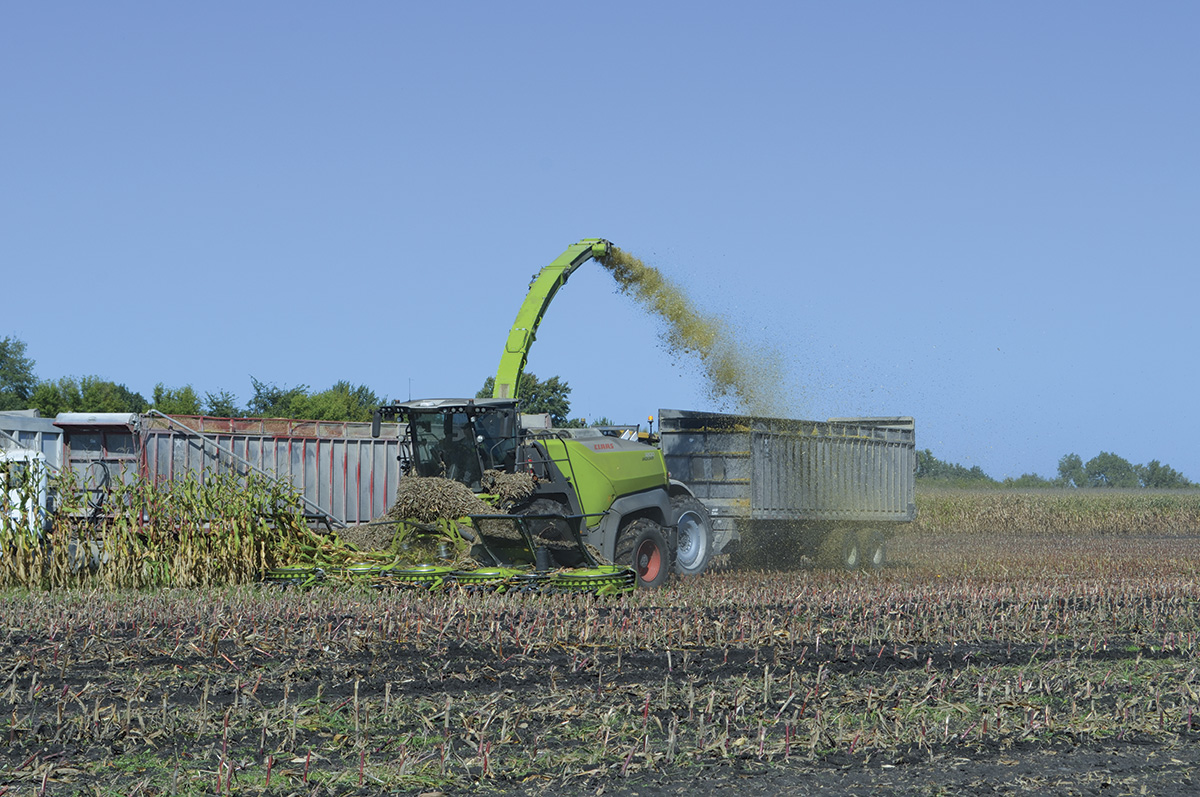
The silage crew from H&M Custom Ag Services LLC was works in sync – chopping, hauling and packing silage at the Crave Brothers farm near Waterloo, Wisconsin. Image by Marian Viney.