Winter weather brings cold temperatures and severe conditions that create various workplace hazards. While snow and ice are inevitable, injuries are not. Being proactive with a comprehensive winter safety plan is essential to ensure the safety of all workers.

Workplace conditions
Snow, ice and rain can create slippery surfaces in parking lots, walkways, stairs and other areas. Patches of ice or debris may be hidden under snow, making them difficult to spot. It is critical to clear snow from pathways and apply sidewalk salt to reduce ice buildup. Drivers and equipment operators should be extra cautious, as slippery conditions can cause loss of control. Slow, careful driving around co-workers and animals is essential.
Reduced daylight hours in the morning and afternoon can result in poor visibility, increasing the risk of accidents. It is important to ensure outdoor lights around entrances are functioning properly. Indoor floors can become slippery due to melting snow and ice carried in from the outside, so employees should clean boots and equipment before entering buildings and be mindful of wet or icy areas. When using outdoor equipment, always maintain three points of contact when getting on and off to prevent slips and falls.
Working in cold weather
Cold weather places significant stress on the body, causing it to use extra energy to maintain its core temperature. Take appropriate precautions and watch for signs of cold-related illnesses such as:
- Hypothermia: Symptoms include shivering, loss of coordination, confusion and loss of consciousness
- Frostbite: Symptoms include reduced blood flow, numbness, aching, pale skin and tingling or stinging sensations
- Trench foot: Symptoms include tingly or itchy feet, blotchy spots, and swollen or numb toes and feet
Protecting yourself while working in the cold
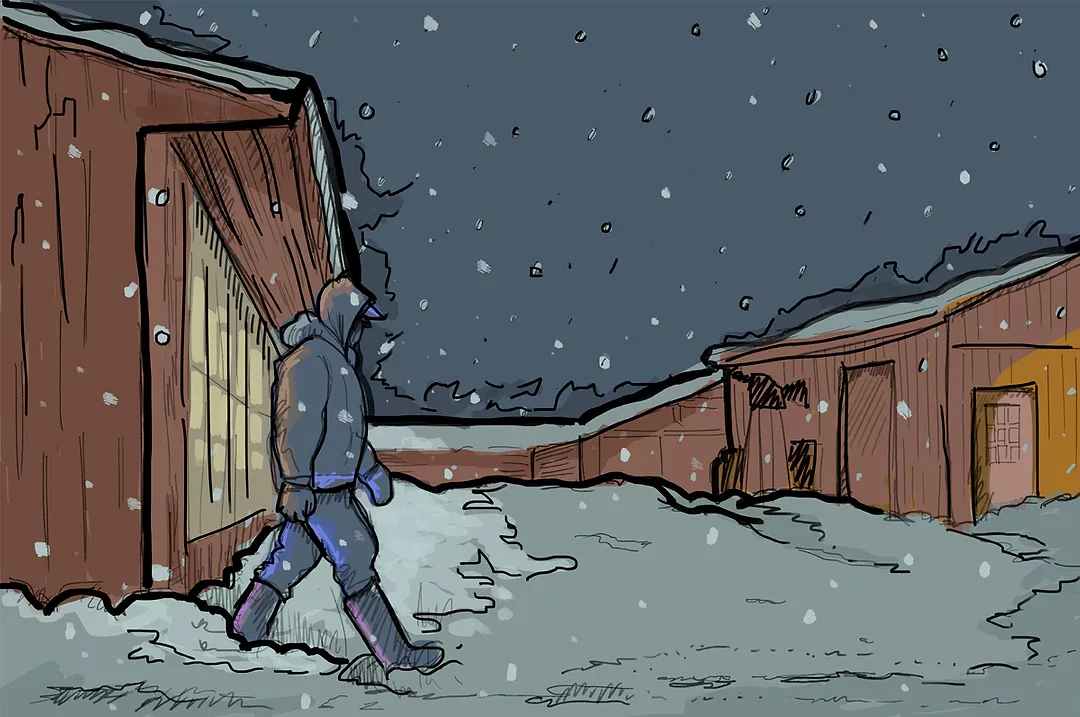
To reduce the risks associated with cold weather, wear appropriate warm slip-resistant footwear, as even cleared areas may still be slippery. Dress in layers that will keep you dry and bring extra clothing in case your clothes become wet. Always wear a hat or hood that covers your ears, along with waterproof, insulated gloves and boots. Maintain the use of appropriate personal protective equipment (PPE) and high-visibility clothing. Additionally, take frequent breaks in warm areas, such as inside buildings or vehicles, to prevent cold stress.
Removing snow and ice
Designate an individual to clear snow from areas such as entrances, emergency exit doors and pathways. This person should ensure that parking lots and walkways are shoveled and salted or sanded regularly, especially in the morning and as needed throughout the day. Both primary and emergency exits should be included in snow removal procedures. Be sure to remove any icicles that may pose a risk and clear excess snow from roofs to prevent falls or roof damage.
When shoveling snow, use proper lifting techniques to avoid injury and fatigue. Take small scoops of snow and, when possible, push the snow instead of lifting it. If using a snowblower, ensure it is in good working condition and perform an inspection before each use. Never attempt to clear a jam in a snowblower by hand. Only operate snowplows if you have received proper training, and ensure the equipment is in good condition. Always check the area for hazards before using any snow removal equipment.
Winter driving hazards
Before driving in winter conditions, inspect your vehicle thoroughly. This includes removing all snow and ice from the windows, mirrors, roof and lights. Additionally, check the tire pressure, wiper fluid levels, and ensure wipers are functioning properly. Carry a cellphone, scraper and brush in your vehicle. Allow extra time to reach your destination, slow down and adjust your speed according to road conditions. Be cautious of black ice and maintain a safe distance from other vehicles to ensure safe braking.
It is everyone's responsibility to report unsafe winter conditions throughout the workday. All incidents should be reported, even if they do not result in injury. For example, if you slip and almost fall, or twist your ankle but continue working, it is vital to report the near miss. Reporting unsafe conditions helps prevent future injuries and ensures that the workplace remains as safe as possible for everyone.