In today’s dairy industry, producers are constantly evaluating new technologies, equipment and management practices to improve the productivity, efficiency and profitability of our businesses. We invest hours, months and even years in researching, designing and transitioning into new barns or facilities, and even more time in training to learn how to use new equipment, protocols or software.
All of that preparation and transition work is critical, though I’d contend that even more important is continuing to learn after installation is complete. There’s always an initial return on investment, but the value of an asset is truly maximized over time with constant learning and fine-tuning.
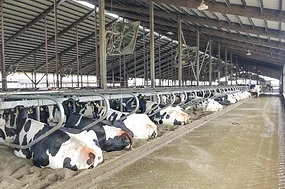
I am the second generation to dairy farm on the land my family has owned for more than 150 years. My wife, Christina, and I have operated Winch’s Pine Grove Farms near Fennimore, Wisconsin, since 2001. We milked 160 to 200 cows until we built a new barn and installed an automated milking system in 2018 and increased the herd to about 250 cows. We broke ground after about two years of research and farm visits, and we’ve never stopped learning about how to make the robots work best in our operation.
A key part of our operation is working with a trusted team of advisers. Every four weeks, we meet with a consultant who specializes in automated milking systems, our nutritionist and other advisers as needed. Together, we go over the data, discuss what we’re seeing, identify goals and a plan to meet them. Automated milking systems collect more than 1,500 data points a day – more than anyone could possibly monitor and interpret alone. Working with experts helps us pick up on patterns, potential issues and opportunities that might otherwise go unnoticed. Our consultant, who sees data and automated milking systems in action on different farms every day, brings a sharp eye, an outside perspective and knowledge of the trends with specific systems and equipment.
One of the most significant adjustments we’ve made was reevaluating the quantity of pellets we were feeding in the robots with a goal of using more of our home-grown feed. We transitioned from 12 pounds of pellets per cow per day to 2 pounds, adjusting the total mixed ration (TMR) that cows receive throughout the process. After reviewing initial data and milk production, we determined it wasn’t enough, so now each cow is receiving about 2.5 pounds of pellets a day. We’ve maintained milk production levels and reduced outside feed costs by $80,000 to $100,000 a year.
We are regularly evaluating the flow of the barn and number of cows to ensure the robots are operating efficiently. The goal is to maximize milkings per robot per day, so we pay close attention to cow permissions and how they move between feeding, resting and milking areas. The more we can spread milkings across the day and across more cows, the more efficiently the robots can run.
We’re also working toward a more consistent flow of calvings throughout the year. Prior to robot installation, we practiced rotational grazing with calving in the spring and the fall. That pattern created peaks and valleys in calving and cows moving in and out of the barn, so we’ve transitioned to breeding groups of 25 heifers four times a year to try to pace calvings more evenly through the year.
All these adjustments are only possible by closely monitoring data and working with an advisory team that understands our operation and goals for the future. Looking ahead, we plan to replace our current robots with newer models in early 2026. The new models are more efficient and include new features, such as progesterone testing in the milk, that will allow us to make more timely decisions for breeding and monitor pregnancy status of cows.
Taking time off the farm and learning from experts and peers is also key. Christina is an agriculture instructor at Southwest Wisconsin Technical College (SWTC), and we are active in Farm Bureau, FFA alumni and other organizations. We also attend Professional Dairy Producer programs when possible and always bring home new ideas and perspectives to improve the operation.
We’ve been part of a peer group program through SWTC for about five years, which brings together livestock and crop producers to discuss trends in finances, crop production and agronomy, beef and dairy production. I gain new perspectives at each meeting.
The combination of technology, teamwork and continuous learning is what keeps our dairy moving forward. While the barn and robotic milkers are 7 years old, it’s not the same system as when we installed it. Every change, whether big or small, has made it more efficient and more productive.
The ultimate reward of our investments is not only what happens on day one, but how much more those investments can deliver when you learn and adjust. Those modifications make us more resilient, sustainable and productive now and for future generations.
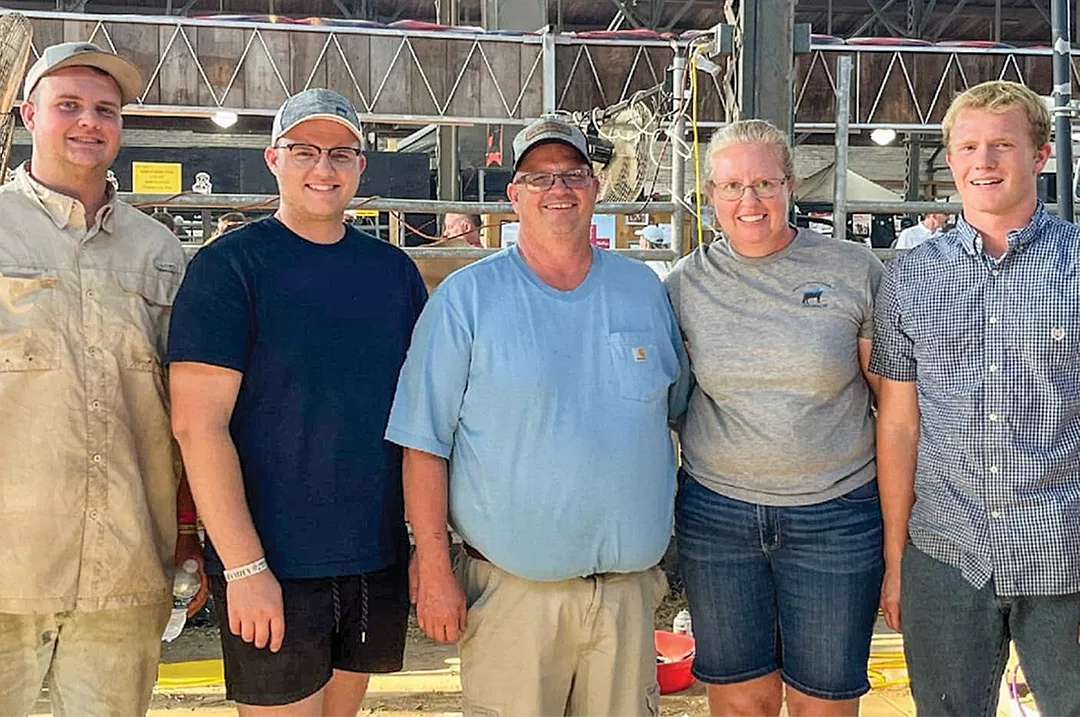
Peter Winch owns and operates Winch’s Pine Grove Farms in Fennimore, Wisconsin, with his wife, Christina; and sons Randy, Wesley and Matthew. He returned to the family farm after graduating from SWTC. Peter and Christina are active in their community, including Grant County Farm Bureau, New Horizons Cooperative and Fennimore FFA Alumni.
This column is contributed by Professional Dairy Producers (PDP), the nation’s largest dairy producer-led organization of its kind. PDP focuses on producer professionalism, stakeholder engagement and unified outreach to share ideas, solutions, resources and experiences that help dairy producers succeed.