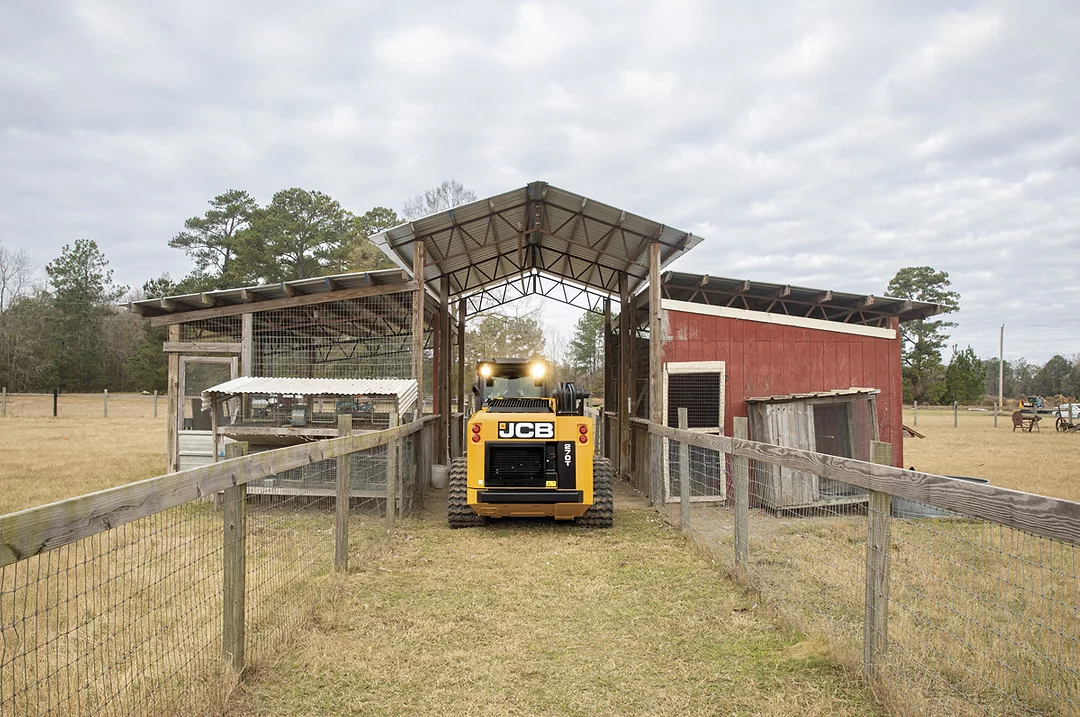
As fall gives way to winter, forage and dairy producers turn their focus from harvest and feeding storage to preparation for the colder months ahead. Even as daily workloads persist, one critical job emerges: properly preparing equipment for harsh winter conditions.

Whether your equipment will continue working through the winter or remain dormant until spring field preparation, proper storage and maintenance can prevent unnecessary wear, damage and costly delays. A proactive approach helps ensure that your fleet is ready when you are.
Here are five essential steps to prepare your equipment for dropping temperatures.
1. Clean, inspect and repair before parking
Mud, silage, manure and crop residue can trap moisture against metal, inviting corrosion, mold growth and electrical issues. Start by thoroughly cleaning all exterior and undercarriage components, paying attention to wheel wells, hitches and hydraulic fittings. For sensitive areas such as electrical connections, engine sensors or air intake systems, use compressed air instead of water to prevent moisture intrusion and long-term damage.
After cleaning, be sure to grease all required zerks and pivot points. This not only restores necessary lubrication but also helps seal out moisture and dust that can settle during storage. Keeping contaminants out of joints and bearings now saves time and money on repairs later.
Use this opportunity for a visual inspection. Look for signs of wear such as cracked hoses, frayed wires or bald tires. Tighten any loose bolts and check seals for leaks. Completing minor repairs before winter can help avoid larger issues when the season changes.
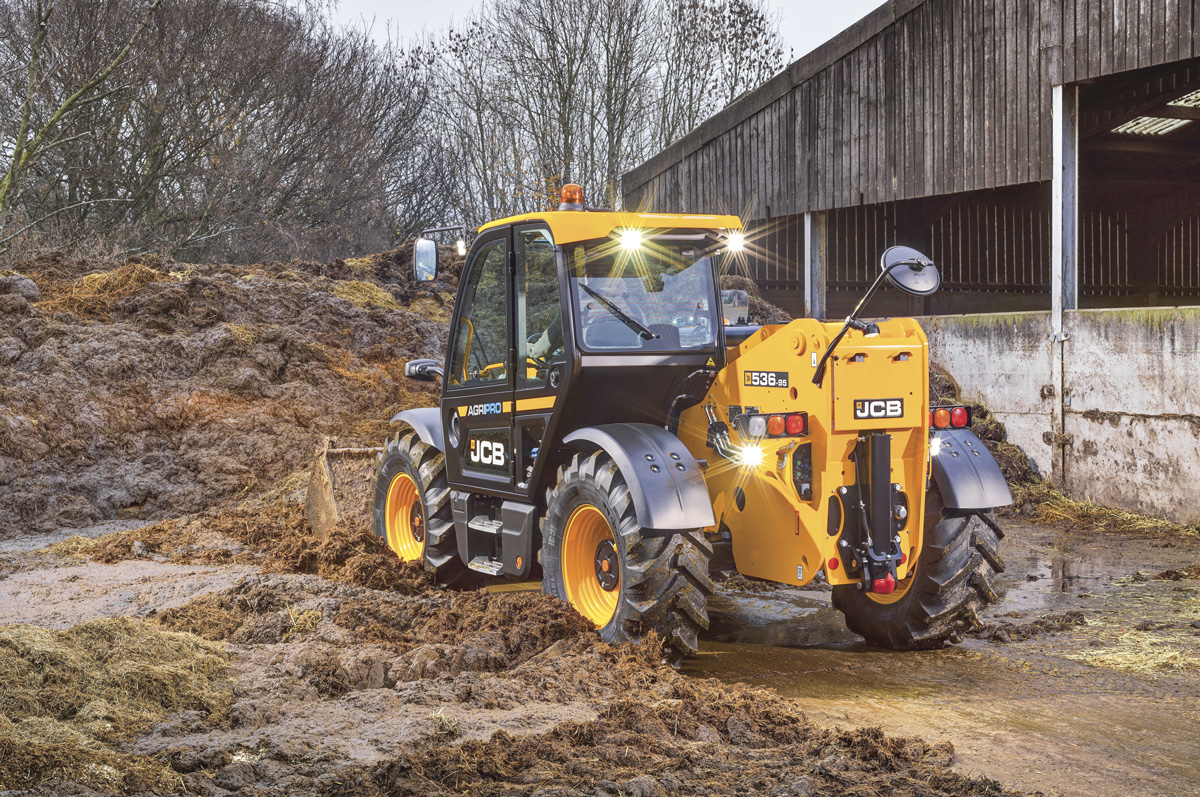
Machines that are well cared for in winter will return the favor when the snow melts and the fields call. Image courtesy of JCB.
2. Drain or stabilize fuel and fluids
In cold weather, diesel fuel can gel, oil thickens, and water condensation can form in tanks and lines. These conditions can damage components and compromise performance.
Fill tanks with winterized fuel or treat fuel with additives to prevent gelling. Alternatively, drain fuel systems completely if the machine will not run for several months. Replace fluids with cold-weather formulations, especially engine oil, coolant and hydraulic fluid.
Be sure to follow all manufacturer-recommended shutdown procedures, including running the engine briefly after fueling or fluid changes to circulate additives through the system.
Freezing temperatures can affect diesel exhaust fluid (DEF) systems as well. Machines with auto-purging DEF systems are especially helpful if the equipment is operated in cold weather. However, if the machine is being stored and not regularly run, additional precautions should be taken. DEF freezes at 11°F and expands by about 7% when frozen. If left in the lines or pump system without proper purging, it can lead to cracked lines or damaged components. For storage situations, operators should ensure that DEF lines are fully drained to avoid costly repairs.
3. Protect batteries and electronics
Cold starts are a challenge, but idle machines can suffer as well. Batteries lose charge in freezing temperatures, and long periods of inactivity can drain them beyond recovery. If left connected during storage, parasitic draw from onboard electronics can fully discharge a battery, reducing its lifespan or rendering it unusable by spring.
Disconnect batteries and store them in a temperature-controlled environment if possible. Use a trickle charger or battery maintainer to keep voltage at optimal levels. For machines left outdoors, battery blankets or plug-in heaters can help prevent damage and extend battery life. It’s also good practice to clean battery terminals and apply a corrosion inhibitor before storage.
Electrical systems also benefit from protection. Cover or seal exposed connectors with dielectric grease or caps to keep out moisture and dust. Inspect wiring harnesses for rodent activity, especially if machines are stored in barns or sheds. Nesting animals often target electrical insulation, which can lead to shorts or inoperable systems come spring.
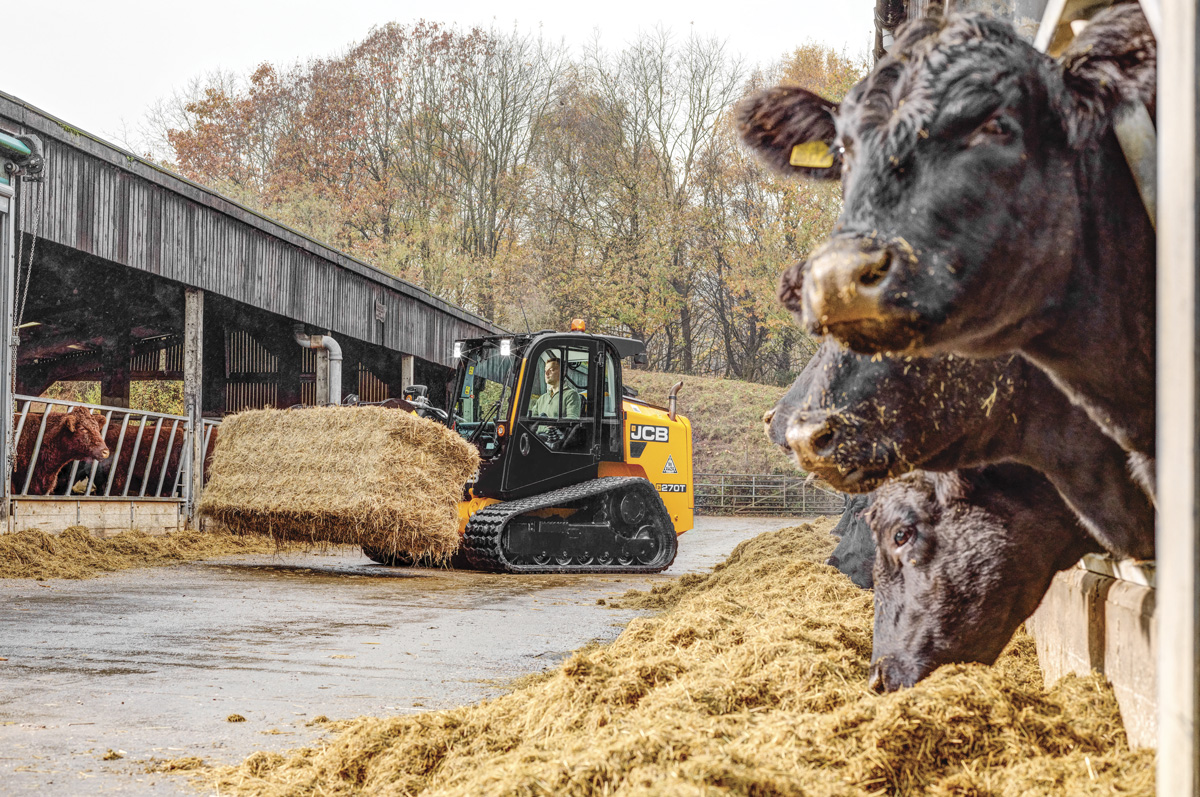
In cold weather, diesel fuel can gel, oil thickens, and water condensation can form in tanks and lines. These conditions can damage components and compromise performance. Image courtesy of JCB.
4. Check tires and relieve pressure points
Tires naturally lose pressure in cold weather, and long periods of disuse can cause flat spots or cracking. Inflate all tires to the manufacturer’s recommendation before parking the equipment. Inspect the tread for signs of wear or embedded debris that could worsen during inactivity and replace any tires showing damage or excessive baldness.
To avoid unnecessary strain, park on a level, dry surface and avoid letting heavy implements rest directly on the ground. Use wooden blocks or support stands to relieve pressure on tires and hydraulic cylinders. Where possible, reposition machines slightly every few weeks to prevent flat spots and maintain roundness. For equipment stored long-term outdoors, consider covering tires to protect them from ultraviolet degradation and precipitation that can accelerate wear and weathering.
5. Use telematics to track and plan
If your equipment includes telematics, use it to your advantage. Review performance data before storage to evaluate usage trends, identify idle time and schedule needed maintenance. These insights can also help forecast equipment needs for the next season, ensuring machines are ready when work resumes.
During storage, disable telematics systems or set low-power alerts to conserve battery life and prevent unnecessary drain. This is especially important for machines that will sit idle for extended periods, as constant communication and system checks can deplete the battery. Make sure to log final machine status and usage data before shutdown for future planning.
Preparation pays off
Winter may slow down some activities, but it should not slow your equipment come spring. Partner with your equipment dealer to develop a seasonal service plan, stock up on cold-weather supplies and review your fleet’s readiness. Machines that are well cared for in winter will return the favor when the snow melts and the fields call.
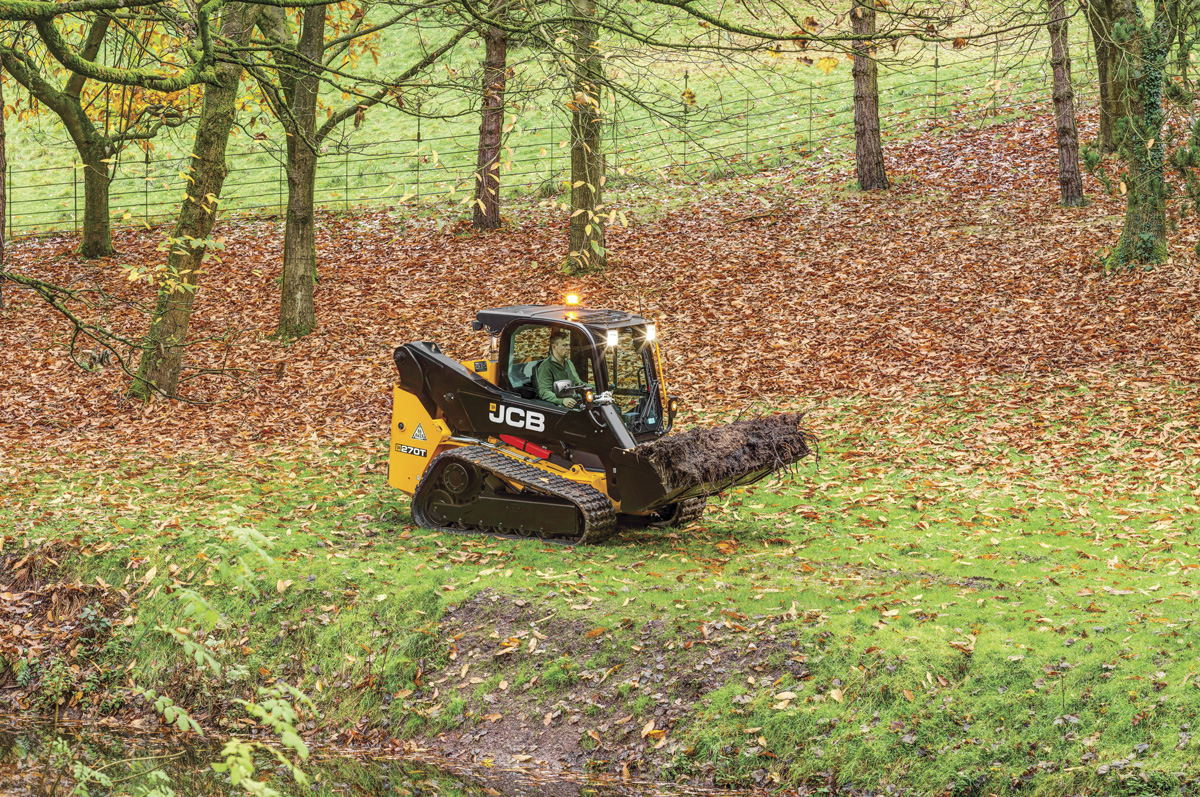
Thoroughly clean all exterior and undercarriage components, paying attention to wheel wells, hitches and hydraulic fittings. For sensitive areas like electrical connections, engine sensors or air intake systems, use compressed air instead of water to prevent moisture intrusion and long-term damage. Image courtesy of JCB.