Manure. We scrape it, we store it, we spread it. But did you know that it can tell you how your cows are getting along with their rations? By understanding what causes changes in manure consistency and particle size, we can interpret what is happening in the gut. When we combine that information with other observations, we’re in a better position to decide if we need to make changes to the diet, management or feeds. Some diseases can cause changes in manure, but, here, we’re talking about healthy cows dealing with their diets.

Where manure begins
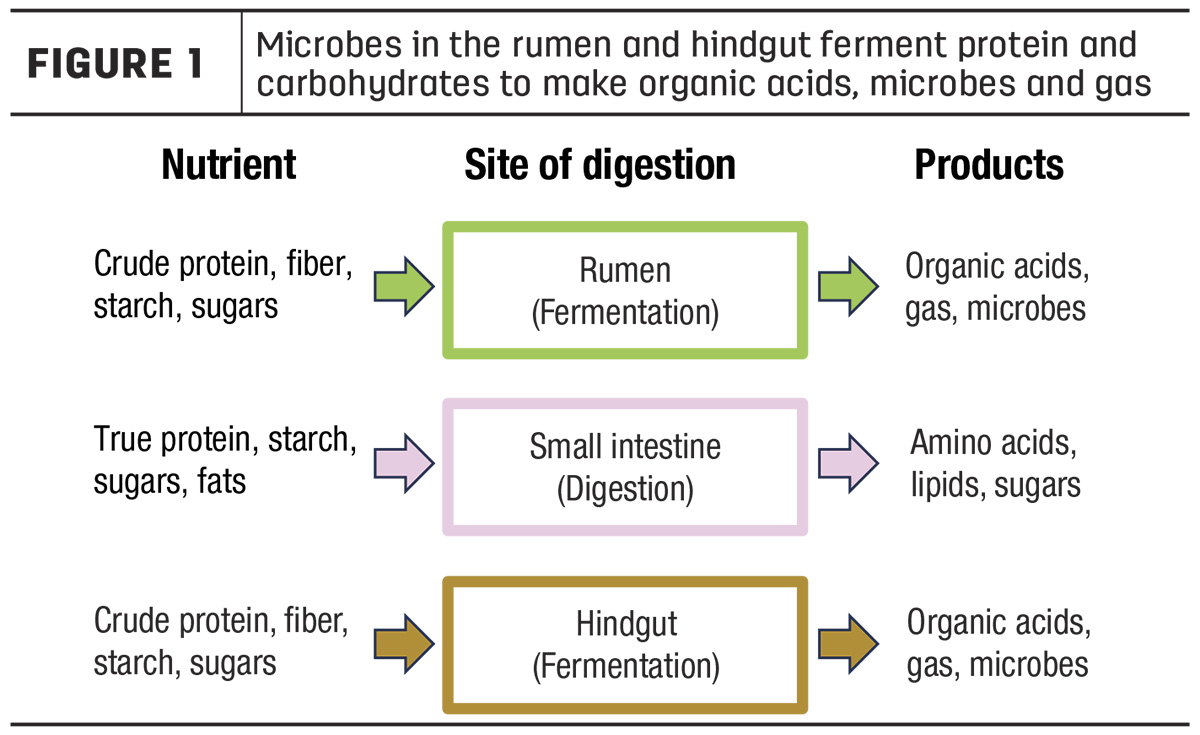
Manure starts with feed digestion in the gut. It is made up of undigested feed, microbes and secretions from the cow. Digestion of different nutrients in different parts of the gut make different contributions to manure and affect how it looks. Microbes in the rumen and hindgut ferment protein and carbohydrates to make organic acids, microbes and gas (carbon dioxide and methane) (Figure 1). Organic acids made in the hindgut can be absorbed to provide energy to the cow, but microbes go out in the manure and do not contribute to meeting the cow’s protein needs.
If a lot of fermentable carbohydrate, like starch, escapes the rumen and digestion in the small intestine, it passes to the hindgut and can result in more fermentation than the hindgut is designed to handle. This has been referred to as hindgut acidosis. That excessive fermentation can cause diarrhea or very loose, pasty, bubbly or foamy manure (gas trapped in the manure) (Image 1). These cows may be sick or prone to laminitis. These signs suggest a problem that started in the rumen, possibly rumen acidosis. If products from excessive hindgut fermentation damage the lining of the hindgut, mucin secreted by the cow can cover the damage and is later shed into the manure. Mucin casts found in manure look like tubes or shreds of brown or gray mucous and are evidence of past gut damage (Image 2). Loose manure in healthy cows can also be caused by consuming high levels of protein or lush pasture.
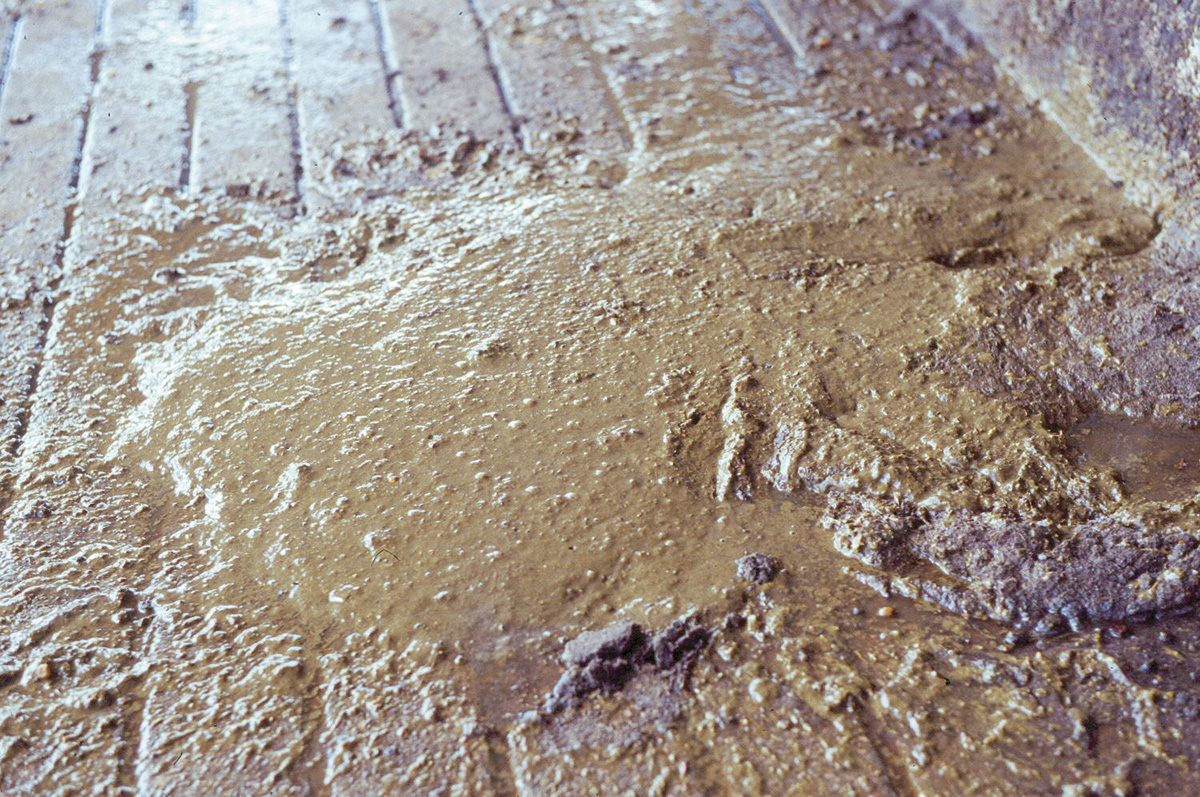
Image 1: Excessive fermentation can cause diarrhea. Image provided by Mary Beth Hall.
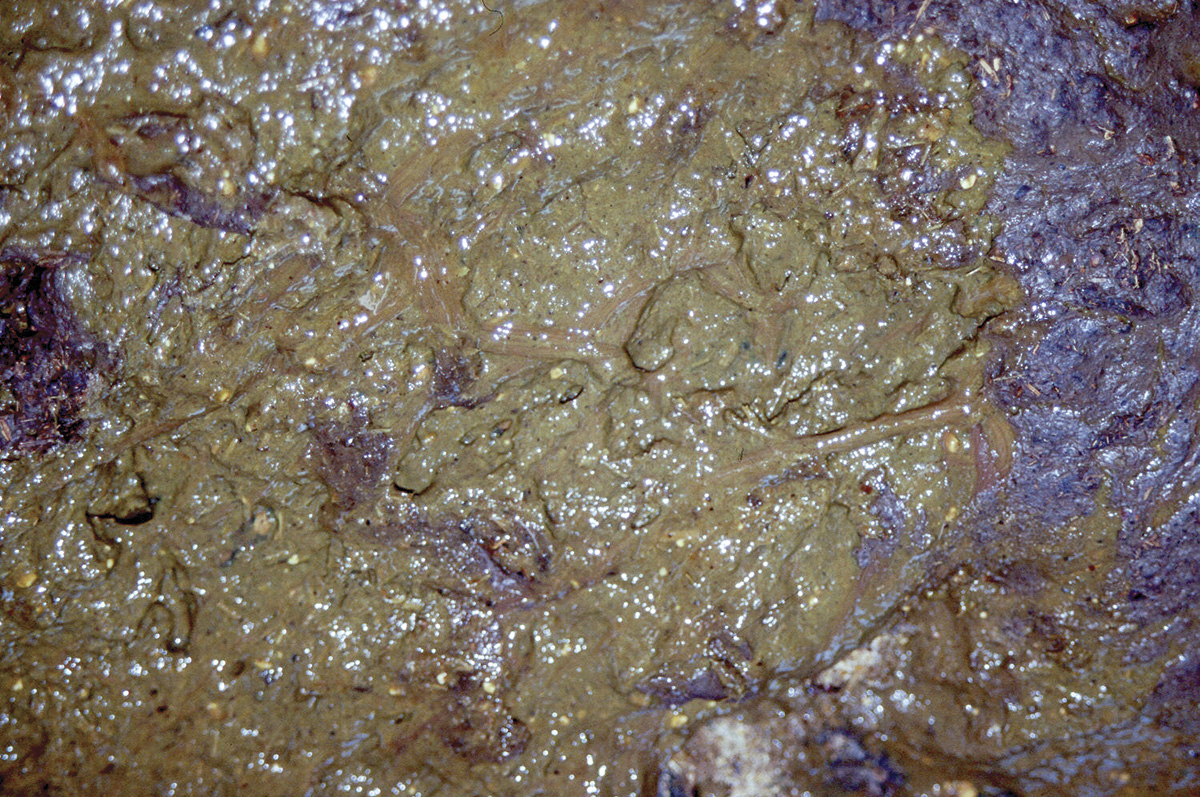
Image 2: Mucin casts found in manure look like tubes or shreds of brown or gray mucous and are evidence of past gut damage. Image provided by Mary Beth Hall.
Image 2: Mucin casts found in manure look like tubes or shreds of brown or gray mucous and are evidence of past gut damage. Image provided by Mary Beth Hall.
About 5% of manure is not normal. This is normal.
Cows eating the same diet should have similar looking manure. It’s normal for about 5% of cows to have manure that looks different from their penmates’. However, if the total mixed ration (TMR) isn’t fully mixed, or if feed sorting is occurring, cows will each choose their own diet. That makes manure vary in a group (Image 3). Another cause of variation is diarrhea, caused when a cow eats spoiled feed, especially chunks of spoiled silage. Some spoilage can tend to feed out as clumps that do not mix well in the TMR. Cows that consume the clumps will be those that come down with diarrhea. So, if manure in a group is variable, go to the feedbunk and see if cows are sorting. If the feed is well mixed, then look at the feeds and diet for the causes.

Image 3: Manure varies in a group when cows sort their feed. Image provided by Mary Beth Hall.
Screening manure
How well the rumen is working decides what particles show up in manure. The rumen is the only place where fiber is broken down into smaller particles by the cow ruminating. Effective fiber (larger particles) from forage makes a meshwork in the rumen that helps to trap other feeds containing fiber, starch and protein so they can be more extensively ruminated and fermented. Too little effective fiber (too much starch) can cause rumen acidosis and for feeds to escape the rumen before they are well digested. If not enough effective fiber is fed, or if the grain isn’t processed finely enough for the starch to be digested or if cows are slug feeding (eating large meals at once), more undigested feed and larger particles can pass out of the rumen. Starch, protein and fats that pass may be digested in the small intestine. Leftovers pass from the small intestine to the hindgut, where undigested fiber and starch can be fermented before what’s left passes into the manure.
You can see what feed particles are reaching the manure by screening manure samples (Image 4). You can use commercial strainers with multiple screens or even use a kitchen strainer about 8 inches in diameter with 1/16-inch openings. Collect 1-cup samples of manure and rinse each separately into the strainer. With a moderate spray of water, rinse the sample until the rinse water runs clear, using your gloved hand to gently scrape the inside of the strainer to keep it from getting plugged. This rinses out the microbes, cow contributions and very-fine feed particles.
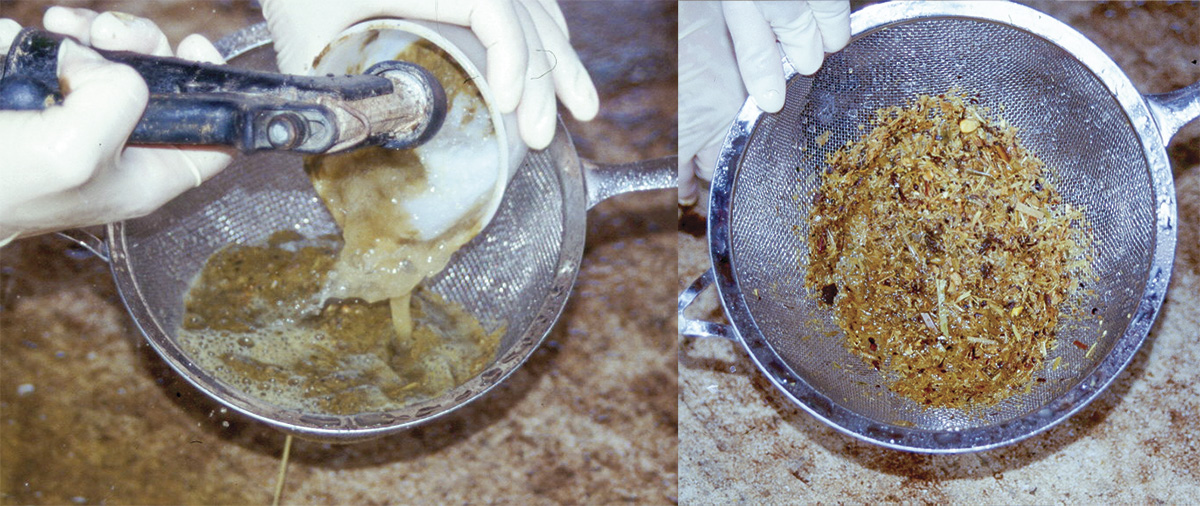
Image 4: Screening manure samples uncovers which feed particles are reaching the manure. Images provided by Mary Beth Hall.
Generally speaking, you do not want to see many particles greater than a 1/2-inch long or much recognizable feed in terms of ground or cracked grains or other feeds. When particles in the feces are much finer than particles in the diet, that suggests that feeds are being held in the rumen long enough to be well-chewed and digested (Image 5). Coarse grain coming through may indicate the need for finer grinding of the grain and/or making sure that animals aren’t slug feeding. Seeing recognizable feeds (cottonseed with the lint on it, green grass leaves, citrus or beet pulp) strongly suggests that feeds are passing through the rumen too quickly. At that point, evaluate the diet for effective fiber and sorting, and verify that the cows are ruminating enough.
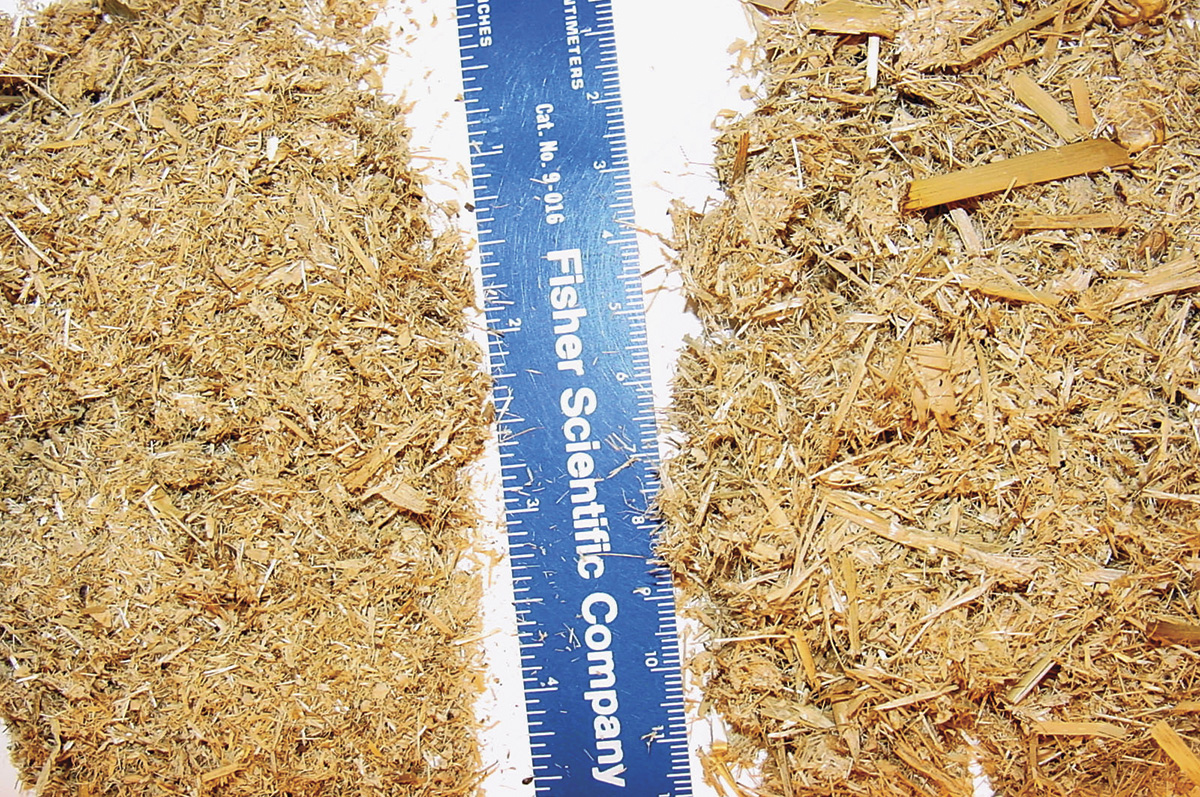
Image 5: When particles in the feces are much finer than particles in the diet, that suggests that feeds are being held in the rumen long enough to be well chewed and digested. Image provided by Mary Beth Hall.
What to do next
You need to put the information that manure provides into context. What is the incidence of digestive upset or laminitis? Do the cows slug feed (related to overcrowding cows versus bunk space) or sort? Is the diet well mixed and free of spoilage? What’s the cows’ feed efficiency: energy-corrected milk divided by dry matter intake (DMI)? (It will be low if the gut isn’t working well.) How well are the cows ruminating? How is milk yield and composition? Manure evaluation is one part of the puzzle. Weigh all of the information together to decide what needs to be done.