Methionine is an essential amino acid for dairy cows, but it is often undersupplied in typical rations. It is considered essential because cows cannot synthesize enough methionine to meet their needs, so it must be supplied by what they digest. Methionine plays a central role in milk production, cow health and feed efficiency. Understanding its function and the importance of supply can allow dairy producers to improve milk production while supporting cow health and environmental sustainability.

A deficiency of an essential amino acid limits the cow’s ability to use dietary protein efficiently, reducing milk or milk protein production and overall efficiency. Consequently, further protein synthesis cannot proceed effectively until the deficit of the essential amino acid is addressed. Although any essential amino acid may be the first limiting factor, methionine most frequently holds this distinction.
Many feed formulation programs determine methionine requirements based on the methionine content of milk. This calculation is relatively straightforward when the expected milk protein yield is known, since casein – the primary protein in milk – exhibits a consistent amino acid profile. However, this method does not account for the cow’s total methionine requirement beyond milk protein synthesis. Since methionine serves not only as a protein component but also plays numerous critical roles in bovine metabolism, actual milk protein levels may be lower than anticipated and below the cow’s production potential. Maximizing milk protein yield may not represent the most efficient use of methionine if the amino acid is needed elsewhere.
Methionine is used to synthesize several metabolically important amino acids, namely cysteine, taurine and homocysteine. Cysteine is a major component of structural tissues such as skin and hooves. Taurine is not a component of proteins but helps to improve insulin sensitivity and is needed to produce bile salts. Homocysteine is also not found in proteins but is essential for many methionine-related reactions and serves as an indicator of B vitamin status. These amino acids are typically not measured by feed formulation programs, which means the requirements for, and the levels found in the ingredients that might supply these amino acids, have not been defined.
Methionine serves as the initial amino acid in all synthesis of new proteins and is essential for initiating this process. It is the key that unlocks protein synthesis capabilities. Consequently, methionine availability is particularly important during periods of increased protein synthesis, such as those associated with an immune response.
Methionine is required to make glutathione, one of the cow’s strongest antioxidants. This protects tissues such as the mammary gland and the gut against oxidative stress, and in essence, aids in fighting infection.
Finally, methionine also plays a role in the synthesis of fatty acids, which can influence the yield of milkfat. Along with choline, methionine serves to transport fatty acids through blood to the mammary tissue, reducing the negative effect of fats on liver function, while making the fatty acids more available to the mammary gland.
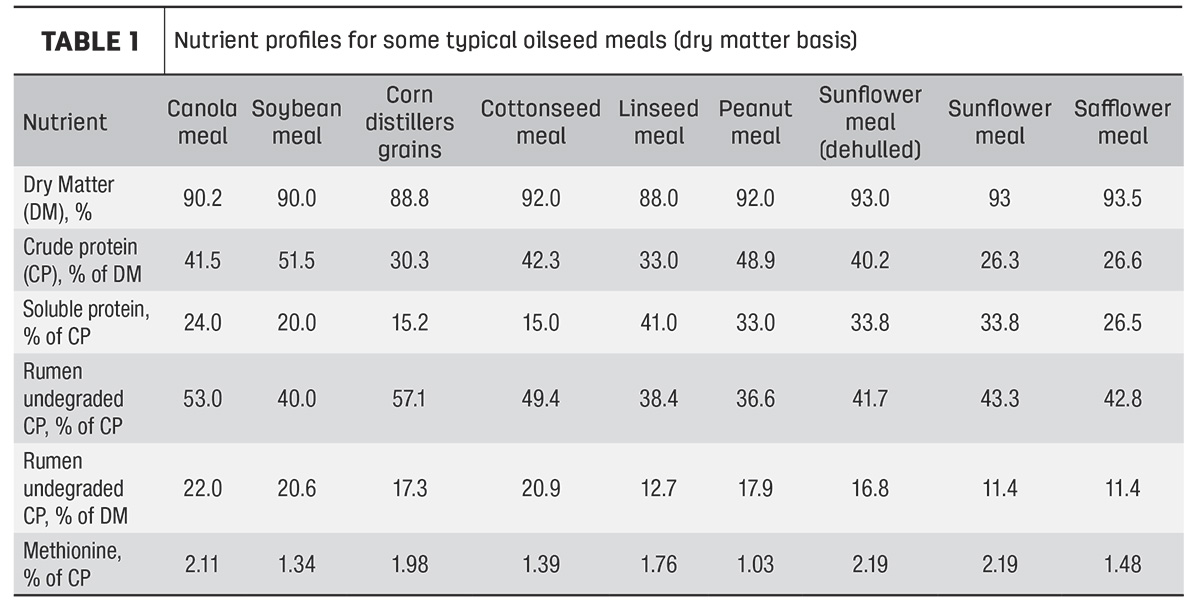
Methionine is supplied to cows from rumen microbial protein, from dietary amino acids that escape rumen degradation (known as rumen-undegraded protein or RUP) and from dietary rumen-protected methionine. As Table 1 shows, the ingredient supply can be quite variable. Some of the most common protein sources supply very little of this amino acid.
Ongoing research is continually enhancing our understanding of the diverse functions of methionine. Given the uncertainties regarding optimal methionine requirements for comprehensive metabolic support, careful ingredient selection is essential to ensure sufficient provision of this amino acid.
References omitted but are available upon request by sending an email to the editor.