No two dairies are the same. Facilities vary. Management styles differ. Labor situations shift. Yet across farms that consistently rise from good to great, one common thread emerges. It is not a single metric or management trend. It is a mindset. Producers who continue advancing are those who consistently ask one question: What’s next?
The common theme? Forward motion.
Whether improving efficiency, building new facilities or retrofitting older ones, progressive dairies resist standing still. They continually evaluate whether to renovate barns, replace outdated systems or rethink processes. Comfort with the status quo is not their default setting.
According to the University of Minnesota extension, “Successful farmers have a passion for their work and a positive attitude toward the future. Even though they may not know what the future holds, they understand that prices and costs are cyclical. They believe that farming can be a good business that, with the right business strategy, will allow them the lifestyle that they enjoy.”
That optimism, however, is only the starting point.
Curiosity backed by action
Top-performing dairies don’t simply collect information and advice; they pressure test it.
These business owners rely on trusted advisers and vendors to evaluate innovation and new tools. But they rarely accept recommendations at face value. Instead, they dig deeper, examining how a solution fits their management style, labor force and long-term goals.
“For dairy producers, the true economic value of data lies in transforming it into actionable insights that can directly influence farm profitability. Whereas data itself is intangible, it becomes a valuable asset when applied to optimize herd health and resource allocation,” Cornell University researchers report in the Journal of Dairy Science.
That willingness to ask harder questions separates farms preparing for tomorrow from those simply managing today. Curiosity paired with action becomes a competitive advantage that shows up in measurable gains.
Technology within the ecosystem
But curiosity alone isn’t enough. The next step is integration, ensuring that technology and data work together within the broader farm ecosystem.
Progressive dairies recognize that technology only delivers value when it works as part of a larger system. Data must move across platforms, translate into usable insights and reduce, not add to, workload.
This means ensuring information flows seamlessly between systems and supports decision-making at scale. The goal is not to scrutinize every individual cow every day. Rather, it is to identify the handful that need attention while allowing the rest of the herd to perform without disruption.
When technology connects data to decisions, efficiency follows.
According to the USDA’s Economic Research Service, precision dairy technologies and automated milking increase dairy net returns. Farms using two or more classes of precision technologies have, on average, 13% higher dairy net returns than nonadopting operations.
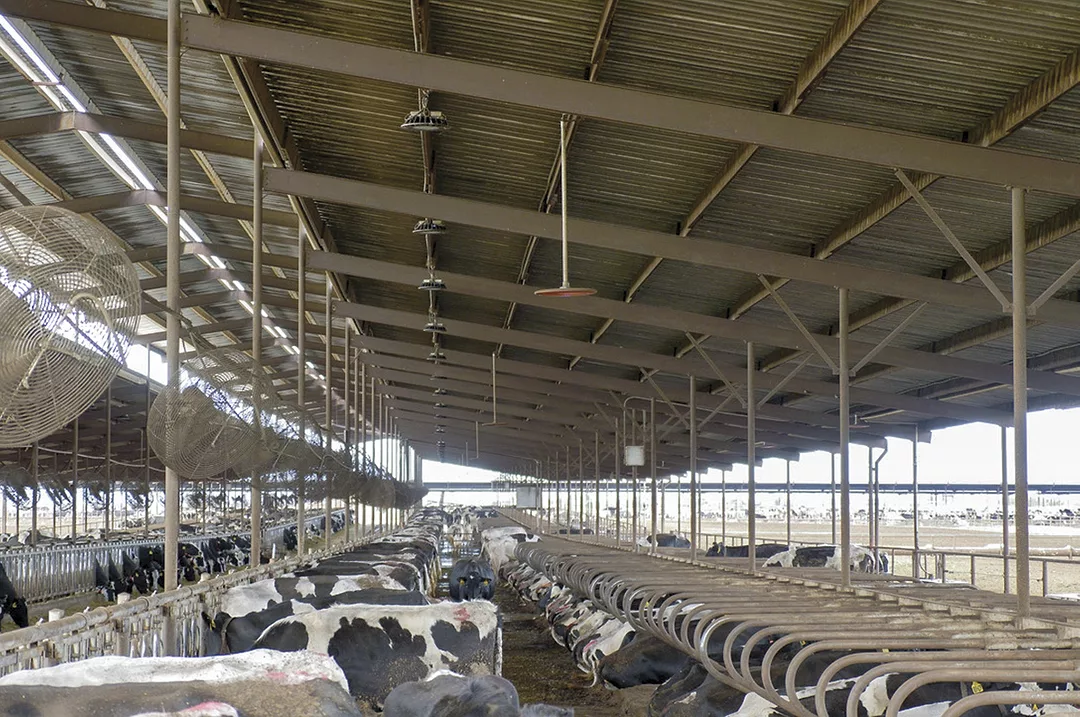
 Top-performing dairies don’t simply collect information and advice; they pressure test it. Image courtesy of Nedap.
From audits to advancement
For some dairies, the push to progress is driven by external standards, such as third-party audits. Some farms are required to complete these scorecards every two months, along with a detailed checklist covering everything from lameness scoring to overall management practices.
Audits alone don’t guarantee improvement. While they can pinpoint a problem, they don’t offer solutions.
That gap between scoring and solving is where progressive producers lean in. Farmers can use these audits as a signal for which improvements to prioritize, demonstrating they are seeking solutions rather than waiting for someone to hand them a roadmap. This approach may help farms secure long-term relationships with processors, which could become more competitive to find in the future.
Intentional implementation
Another differentiator? Intentional implementation.
Identifying the core team affected by the technology before a purchase decision is critical. Dairies poised for success identify key stakeholders early and ensure they understand their roles in implementation and measuring success.
Installation is not the finish line. It is the starting point.
To increase the odds of success, it is essential to establish checkpoints after technology is installed to discuss what’s working and where breakdowns may occur. For example, ensure integrations with other on-farm platforms function and data flows properly so each team member receives expected experiences. Then, push the envelope to get the help or installation tweaks needed to advance it further.
Peer networks matter too.
A farm should not have to go it alone. Top-performing dairies enlist peer support for ideas, technology, tools and management philosophies. They build connections that help each party function at a higher level.
Overcoming bottlenecks
Not every dairy makes the leap forward. The reasons can vary, but one barrier appears repeatedly: hesitation around staff adoption.
Some managers note that their teams may be unwilling or uncomfortable adopting new technology. Strong leaders address these concerns directly. They provide training, set expectations and reinforce accountability.
The most forward-thinking managers do two things well: They cultivate staff buy-in and push technology suppliers to ensure systems are accessible to users with varying levels of technical comfort.
University of Wisconsin researchers note, “If you take the time to educate employees on how the technology will enhance their work and the ability to achieve farm goals and improve farm profitability, not replace them, you may find that these same employees become the biggest advocates for technology adoption.”
Choosing a technology supplier is a critical piece of this equation. The new technology should integrate with and enhance daily workflows, not require everyone to change their entire way of working.
Leadership also requires a clear decision about standards.
If you rely on pen and paper at the chute and just pay the bill at the end of the day, even for something like hoof trimming, you are choosing not to collect diagnostic information. That means you can’t analyze herd prevalence or measure the true return on investment.
The question becomes: Are you willing to require compliance to gain insight? The most successful dairies do.
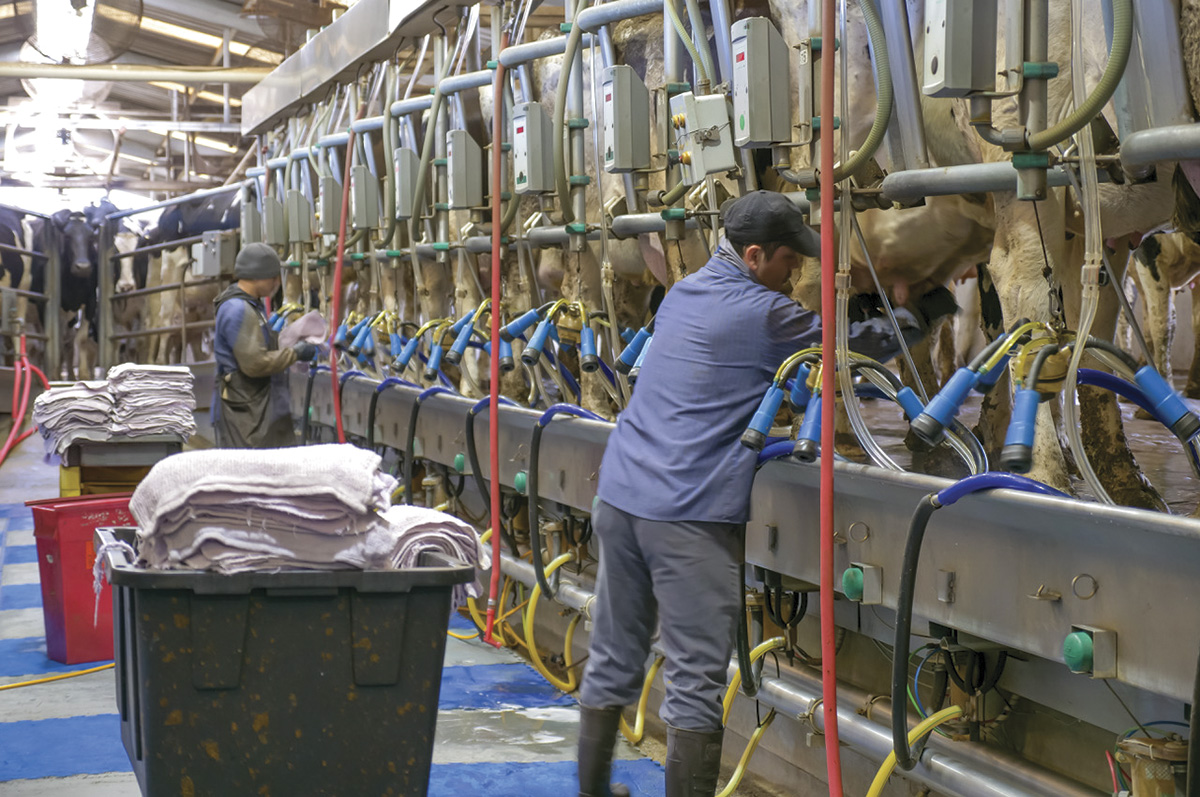 The most forward-thinking managers do two things well: They cultivate staff buy-in and push technology suppliers to ensure systems are accessible to users with varying levels of technical comfort. Image courtesy of Nedap.
 Big picture thinking
Progressive dairies resist getting stuck in the weeds.
These producers understand the granular details of their businesses but do not allow minor obstacles to stall progress. Instead of overanalyzing every potential drawback, they maintain perspective and focus on long-term impact.
They do not retreat at the first roadblock. They rise above it, assess the challenge and deliberately move forward.
Ultimately, the leap from good to great isn’t about chasing a single key performance indicator or installing the newest gadget. It’s about cultivating curiosity, connecting data to decisions, building the right team and refusing to settle for surface-level answers.
The dairies asking, “What’s next?” today are positioning themselves to still be here tomorrow.
References omitted but are available upon request by sending an email to the editor.