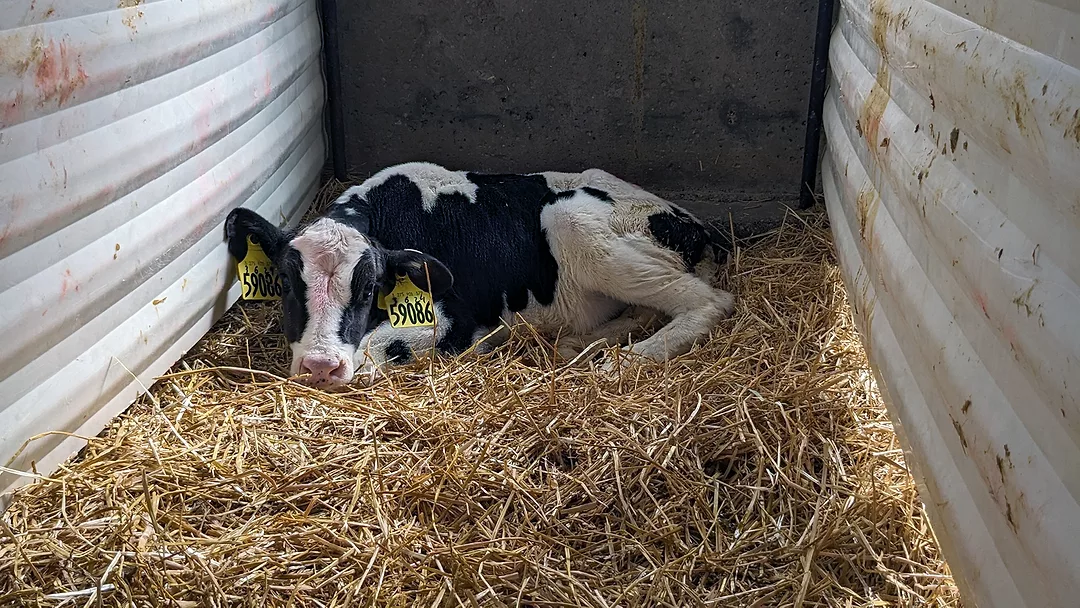
Calves are particularly vulnerable to respiratory stress because their immune systems and lung tissues are still developing. When respiratory issues arise, pathogens, vaccination programs or weather stress are often the first culprits to come to mind even though the most consistent respiratory challenge calves face is far less visible – the air they breathe.
Why Ammonia Matters for Calf Performance
Ammonia released from the microbial decomposition of urine and manure can accumulate quickly in calf hutches and pens, particularly when bedding moisture rises or ventilation is limited. Research shows that ammonia concentrations as low as 4 parts per million (ppm) can irritate and damage the epithelial cells that protect the airway, which can cause:
- Reduced mucociliary clearance (the lung’s natural defense system)
- Increased susceptibility to pathogens
- Chronic inflammation of lung tissue
- Increased likelihood of bovine respiratory disease (BRD) and subclinical lung lesions
When the respiratory tract is compromised, calves redirect energy from growth and immune development to repair damaged tissue, resulting in decreased feed intake and growth performance. For producers focused on raising healthy replacements, improving air quality in calf housing is one of the most effective ways to support immune function, growth and long-term productivity.
Managing Ammonia in Calf Housing
Several management practices influence ammonia levels in calf environments:
- Bedding type, moisture content and replacement frequency
- Manure and urine accumulation
- Ventilation
- Environmental temperature and humidity
While ventilation and bedding management remain essential, many producers are exploring additional tools to help maintain a cleaner environment in calf hutches and pens. One approach involves lowering environmental pH in bedding, which slows microbial activity responsible for ammonia formation.
A Safe Way to Lower pH
SurpHace™, a sodium bisulfate-based product, is designed to safely reduce pH in calf bedding and inhibit ammonia release even with calves present. Let’s take a closer look at the impact of pH manipulation in calf housing with this product.
Field Research: Ammonia Control and Calf Performance
A trial conducted at Casper’s Calf Ranch LLC evaluated the effect of SurpHace on ammonia levels and calf growth performance. One pound of SurpHace was applied twice weekly using a handheld grass seeder directly to the bedding while calves remained in the hutches. Ammonia levels were measured weekly beginning in week three.
Despite the use of soybean hull bedding, which is known to increase ammonia generation, hutches treated with SurpHace maintained consistently lower ammonia concentrations than untreated hutches (Chart 1).
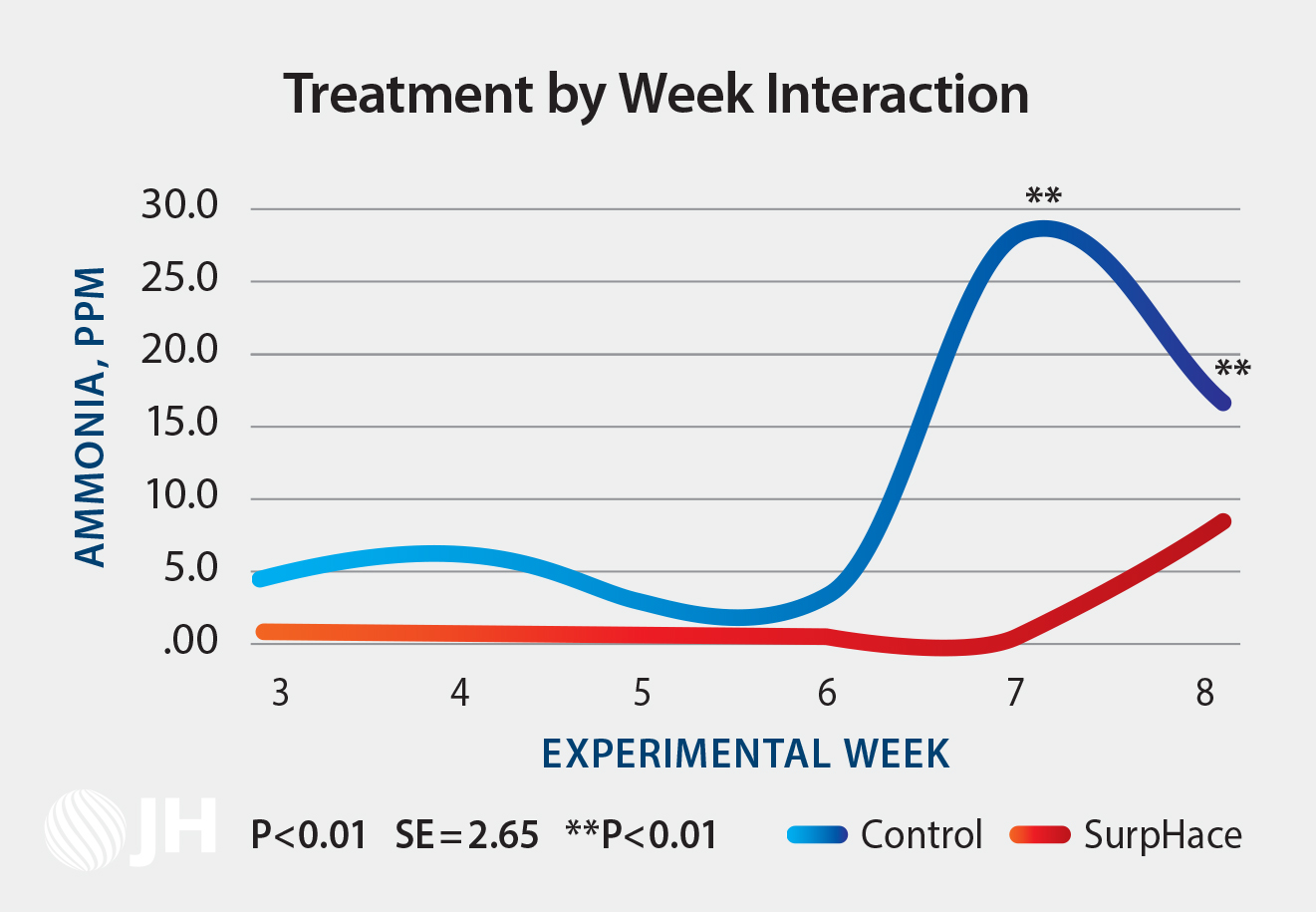
Chart 1: Ammonia concentrations in calf hutches
The reduction in ammonia exposure translated into measurable performance differences (Charts 2 and 3).
- Higher body weight throughout the study
- Greater average daily gain
- Increased starter intake
- Higher dry matter intake
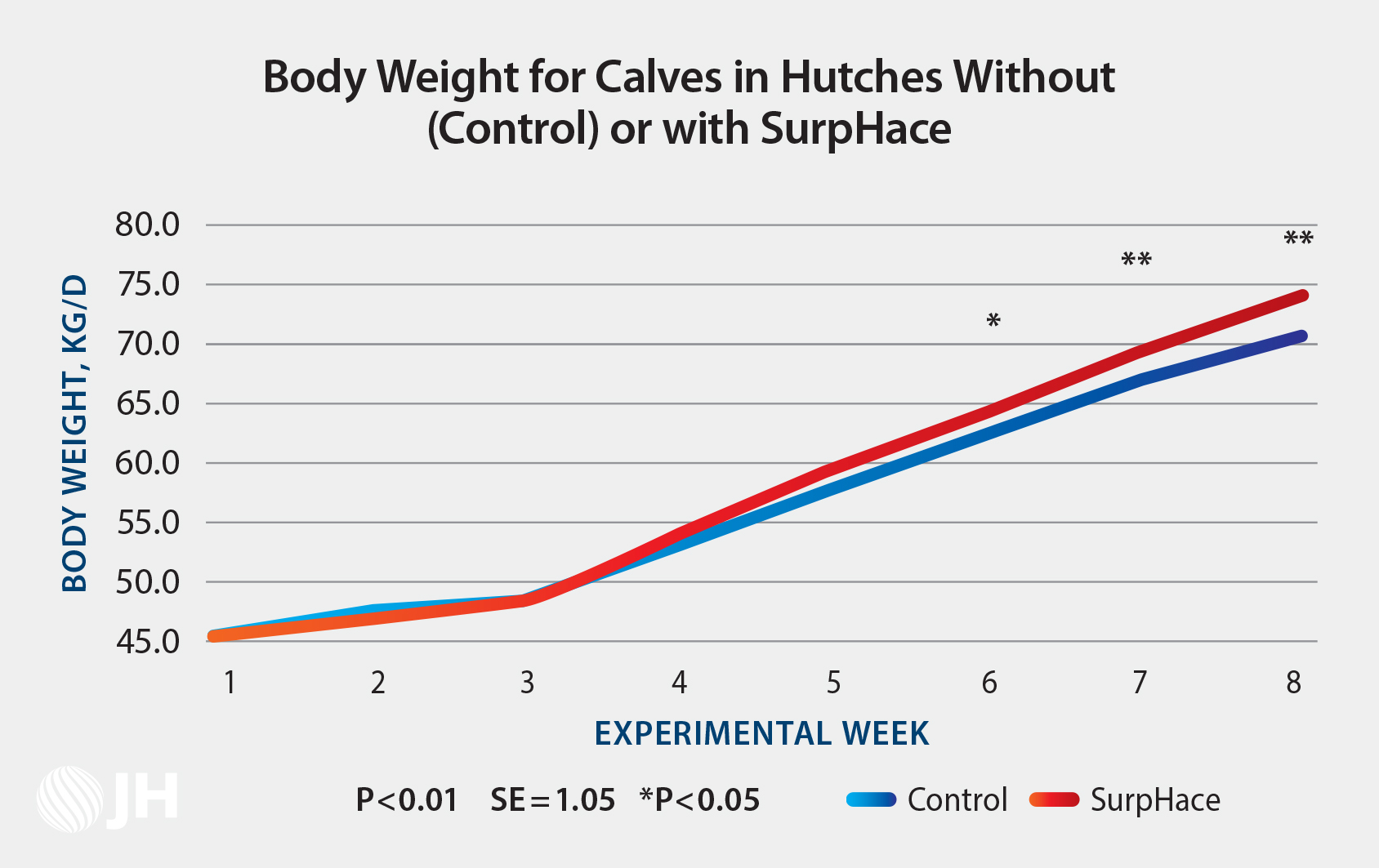
Chart 2: Body weight comparison
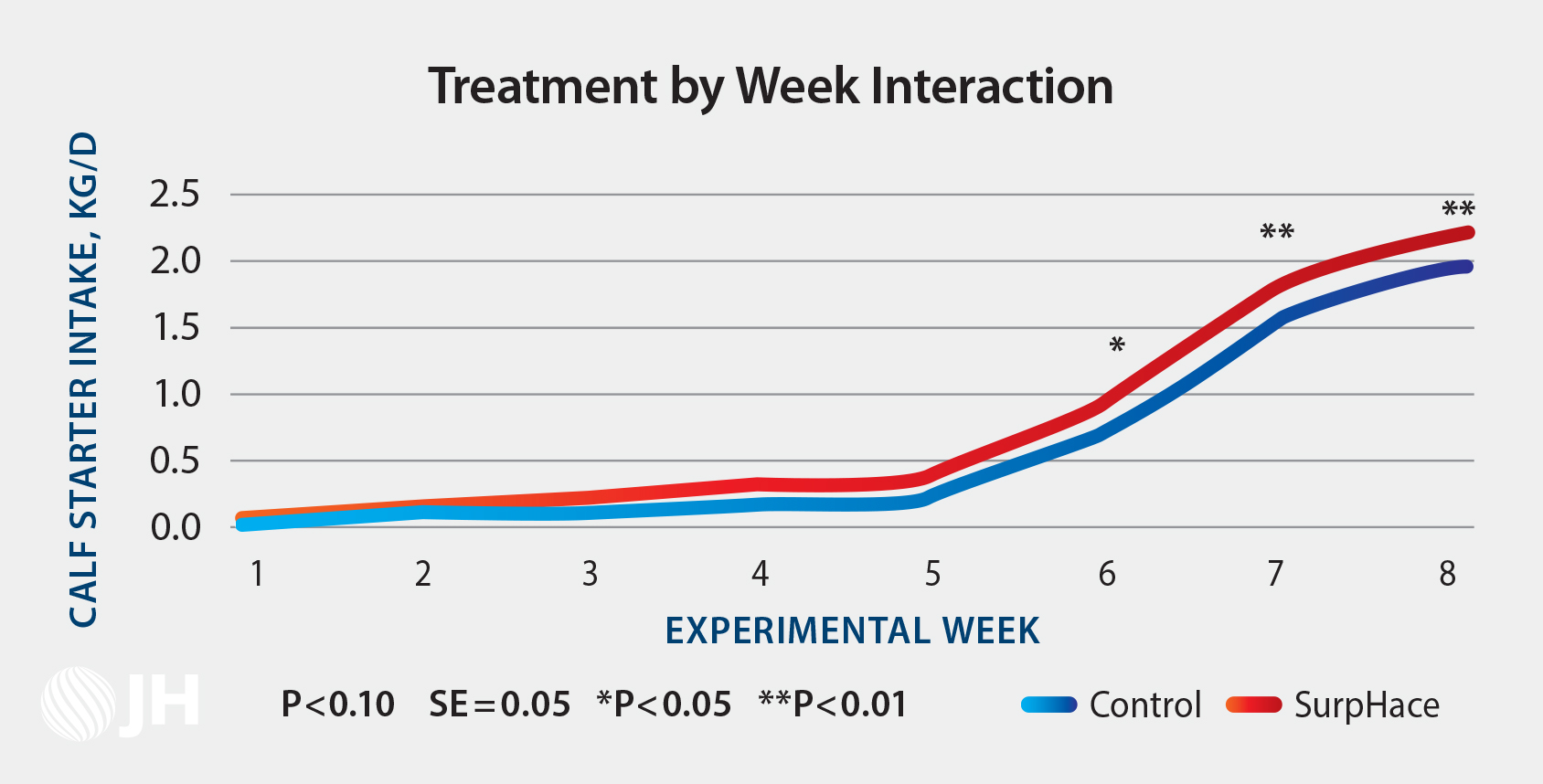
Chart 3: Starter intake comparison
Assessing Respiratory Health Through Lung Scores
Beyond growth performance, researchers also wanted to determine whether improved air quality affected lung health. A separate study conducted in South Dakota in 2024 evaluated lung lesion scores in calves raised in treated versus untreated hutches.
Two weeks after placement, hutches on one side of the barn received weekly SurpHace applications while the opposite side served as the control group. Additional applications were made when ammonia levels increased, and bedding was refreshed weekly across all hutches.
After calves were relocated to transition pens, lung health was evaluated using a standard scoring system:
- Score 0: Healthy lungs
- Score greater than or equal to 2: Evidence of lung lesions or compromised respiratory health
Calves raised in SurpHace-treated pens had a significantly greater number of healthy lung scores (score 0) compared with untreated calves (Chart 4) while simultaneously having fewer scores indicating compromised lungs, suggesting reduced respiratory stress during the preweaning period.
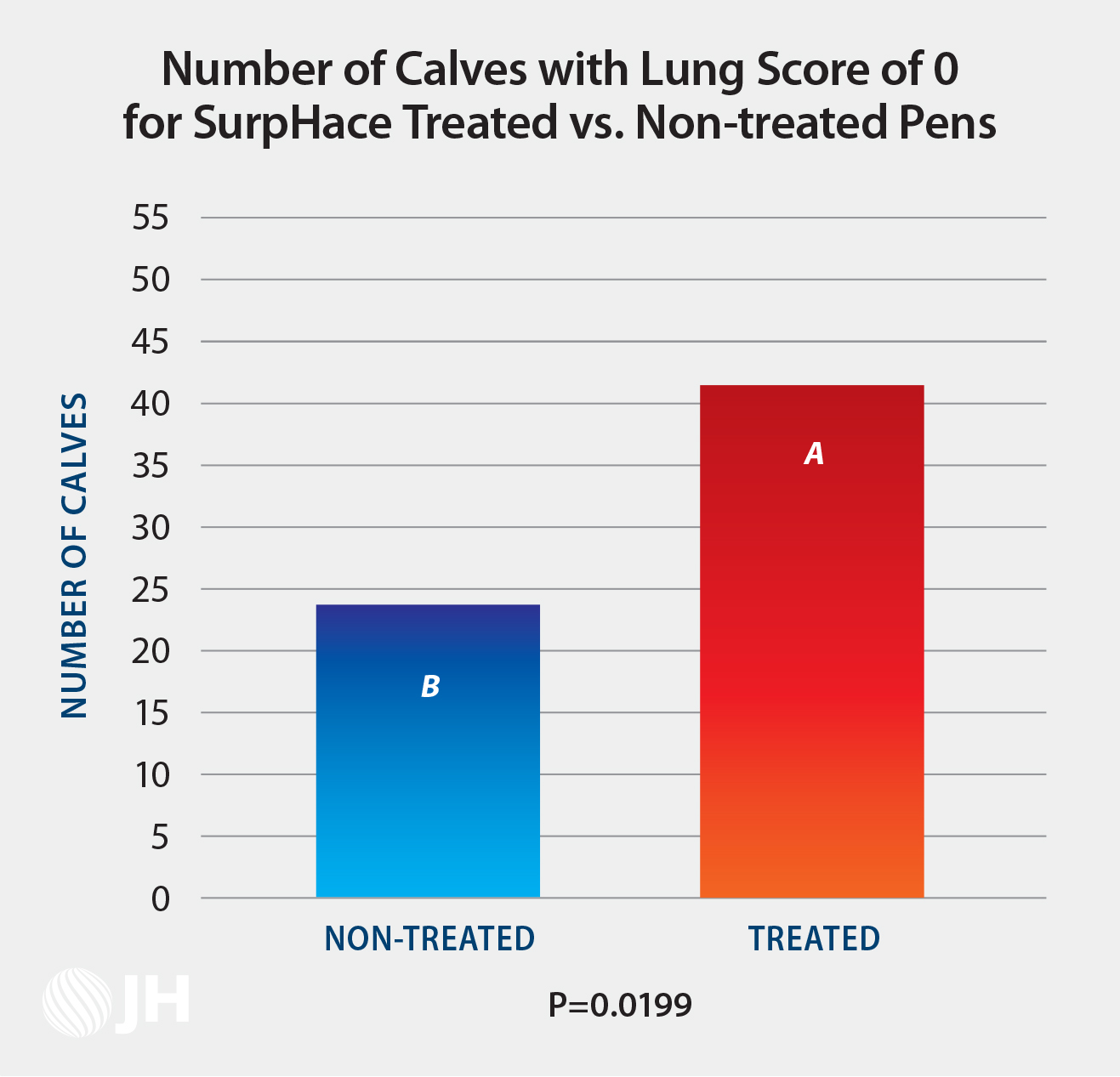
Chart 4: Number of calves with lung score of 0
The Economic Value of Cleaner Air
Improving calf air quality is more than a health strategy; it can also deliver measurable economic returns. In the Casper’s Calf Ranch trial, calves raised in treated hutches finished the study 3.6 kilograms heavier than calves in untreated hutches.
Using a conservative value of $13.23 per kilogram of gain, that additional weight represents approximately $47.62 in added value per calf. With a treatment cost of roughly $8 per calf, the improvement equates to an estimated 6-to-1 return on investment, even before accounting for potential reductions in respiratory treatments or labor associated with sick calves.
In operations raising hundreds or thousands of calves annually, small improvements in early growth and health can translate into substantial economic gains.