Early February, I was hearing frustration from hay producers about not being able to sell their hay. We ended last hay season with an abundance of hay and the lowest cattle inventory since the mid-1960s. With the current state of things, this mismatch in supply and demand might turn out to be a good thing.

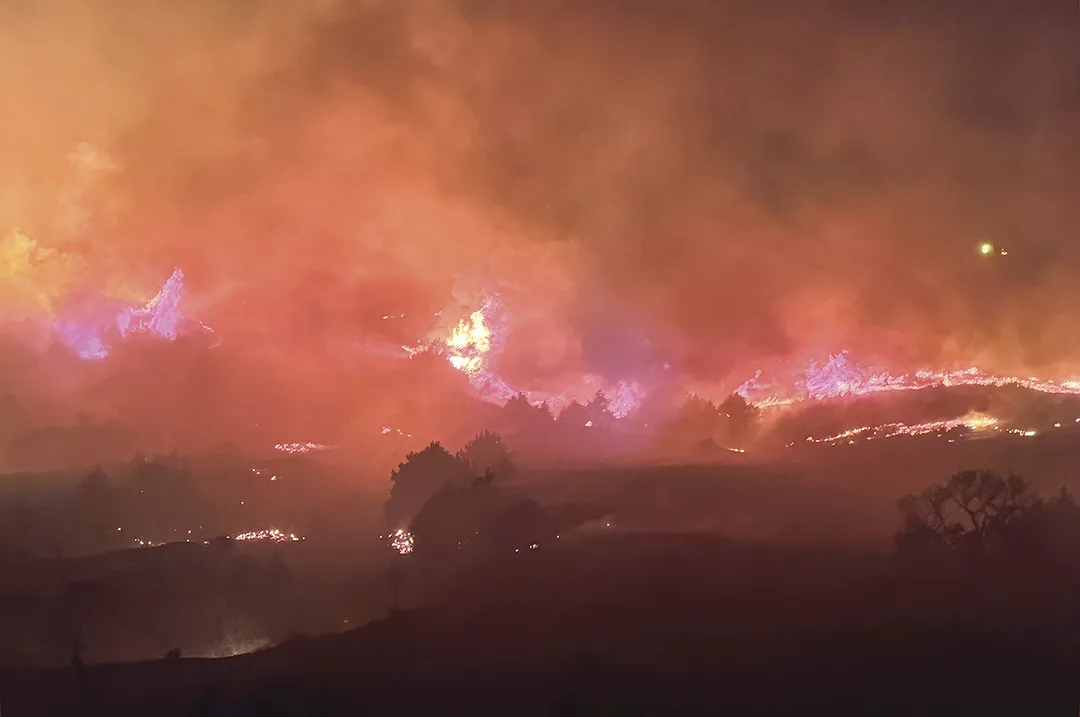
Currently, 63% of the country’s major beef-producing areas are in a drought, with no signs of improvement anytime soon. Spring pastures just aren’t greening up and producing the biomass needed for spring grazing. Furthermore, here in Nebraska, we experienced record-setting wildfires in some of our most valuable grazing lands, with nearly 800,000 acres of the Sandhills being burned. It has been reported that grazing for more than 40,000 beef cattle in Nebraska has been lost to wildfire. Under these conditions, more cattlemen will be drylotting cows through the summer months to make it through this trying time.
The outlook isn’t much better for forage producers. More than 57% of the country’s hay-producing acres are impacted by drought. In addition to the drought, soil moisture is much drier than what would be optimal for forage production. Irrigated acres are going to be key to this year’s hay and cattle production, since dryland will have a slow start, if any productivity at all. The cruel irony of it all is that we ended last hay season with an abnormally wet fall, high hay inventories, good cattle prices and an overall positive outlook.
All of this means we must work diligently to preserve and utilize existing forage efficiently. Some keys to ensuring our hay resources are used responsibly to keep livestock production going into the next year include reducing waste, proper storage, hay testing and grazing more crop residues.
Reduce feed waste
The first thing livestock producers can do to reduce hay waste is to feed more frequently. Providing less hay more often can decrease waste. Feeding more precisely and limiting the amount of hay available results in more hay consumption and less hay trampling. Unfortunately, this is a labor-intensive option and for some small operations may not be feasible.
In addition to feeding more frequently, using a bale feeder instead of simply feeding on the ground can reduce hay waste. The type of feeder used can also impact the amount of hay wasted. Feeders with open bottoms tend to leave more waste (approximately 20% of the bale) than those with enclosed or sheeted bottoms (approximately 5%-10% of the bale wasted). Furthermore, feeders with a top basket produce the least amount of waste (approximately 5%).
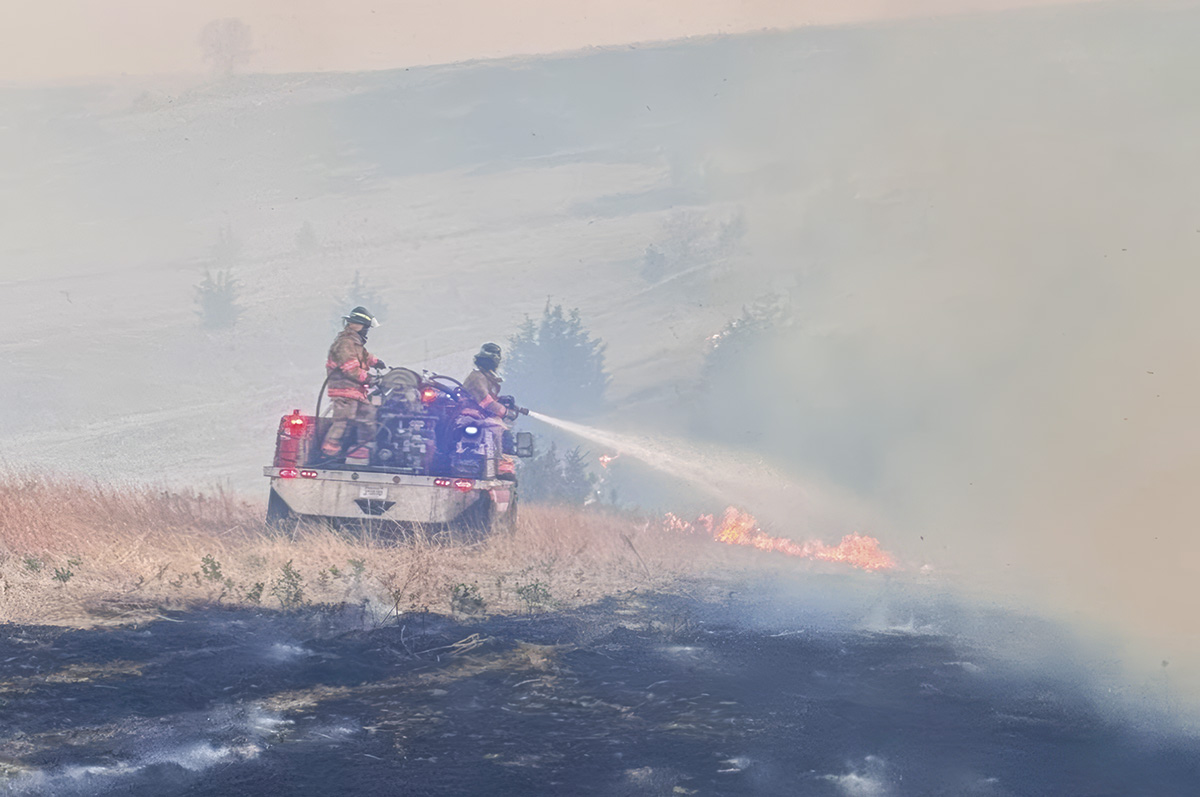
Volunteer firefighters work to put out the Pressey Fire in Nebraska on April 22, 2026. Image by Braxtin Clement.
Proper hay storage
Proper hay storage both reduces hay waste and conserves key nutrients within the hay, meaning less feed needs to be fed to support animal production performance. Hay stored outside in the elements typically forms an outer layer of rot. This spoilage occurs due to exposure to the elements, such as wind, rain and snow. Even a few inches of spoiled hay can account for a large percentage of hay loss. Additionally, feeding these spoiled layers can expose livestock to unnecessary risks such as mold, yeast and mycotoxins.
Furthermore, even if the elements do not cause spoilage, they will likely erode water-soluble nutrients. Water exposure reduces protein while fibers increase, thereby reducing the nutritional value of the hay. Then, more supplements are needed to meet livestock nutrient requirements. This is inefficient both in terms of hay utilization and supplemental feed costs.
Use forage analysis to determine supplementation
No matter how hay is fed or stored, a nutrient analysis can help producers make feeding decisions to ensure the hay is stretched to feed as long as possible. A forage analysis can show protein and energy values to allow for more precise feeding and supplementation decisions. This way, producers know exactly how much hay to feed each day and how much supplement to preserve hay stores while still meeting animal production goals.
Furthermore, a near‑infrared reflectance spectroscopy (NIRS) analysis can also tell producers other characteristics of the hay that can impact factors such as feed intake – for example, fiber digestibility, which impacts voluntary intake and therefore has a bearing on how much hay and supplement should be fed. Without a forage report and precise diet formulations, hay will either be overfed or undersupplemented. So not testing means choosing either excessive feed costs or losses in production performance and potentially health. Overfeeding means wasting hay.
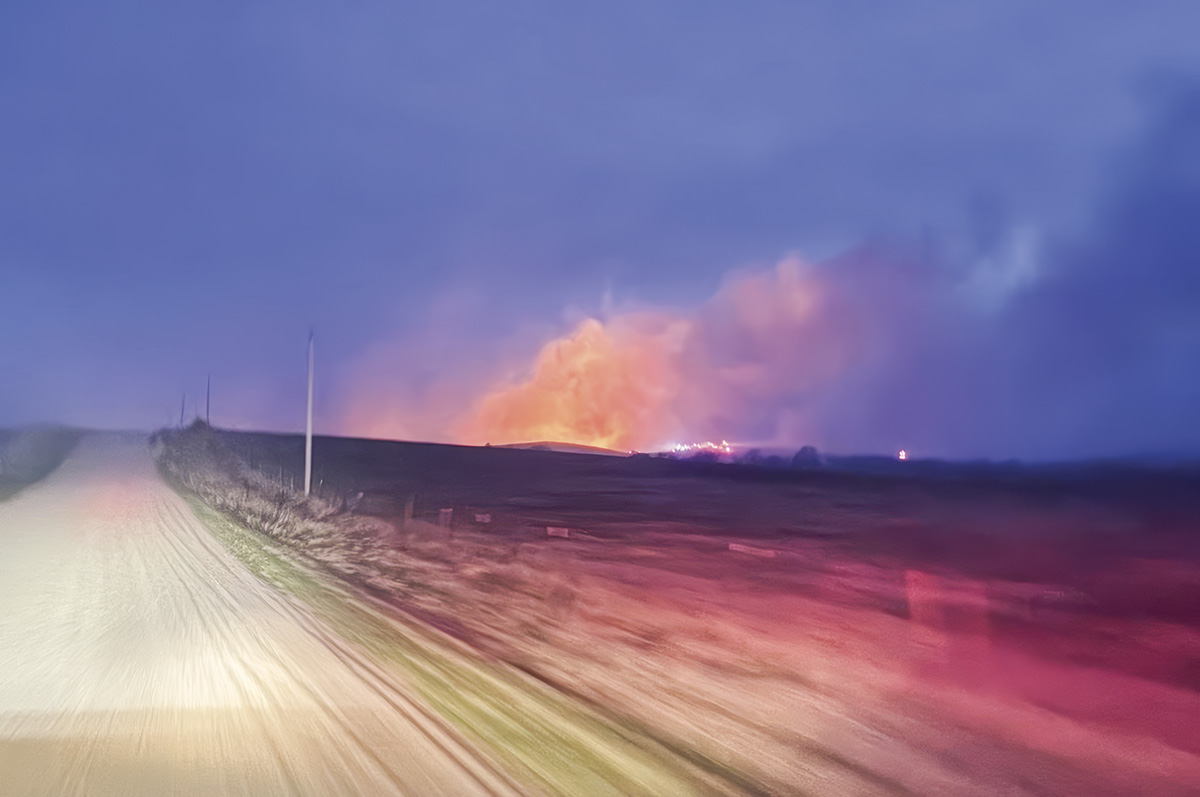
This is a view of the Pressey Fire from the dashboard of volunteer fire truck in Nebraska on April 22, 2026. Image by Braxtin Clement.
Graze crop residues
In addition to carefully preserving and strategically feeding hay, producers can further stretch their hay supplies by leaving the hay in the shed and grazing more crop residues when they are available. Cornstalks and milo stubble can provide additional roughage fed with appropriately formulated supplemental feeds. Crop residues are often lacking in protein and energy, so these feeds would also benefit from a forage analysis to determine appropriate supplementation to match livestock needs.
This option might entail making some deals with crop producers in the nearby area or even hauling animals to where there are more irrigated field options. There may also be more labor involved with this option. It is good to start looking into this and get a plan in place for fall grazing because more infrastructure may be needed in fields not typically used for livestock. Think about water locations and fencing, along with the labor needed to supplement and monitor cattle on these fields.
So during these unusual circumstances, what started as an excess hay inventory has turned out to be exactly what we will need to get through this year’s drought to next spring’s grazing season. With a longer feeding period and drought impacting forage production this growing season, our stored forage resources need to be managed strategically. We may have enough for now, but it is uncertain what the future will bring. That means reducing feed waste, storing hay properly and using forage reports to guide supplementation decisions are imperative.
While all this may seem quite discouraging, we still have many signs of hope. The positive shift in attitude toward integrating livestock and cropland over the past decade means there will be more opportunities for cattle and other livestock to graze crop residues on irrigated lands than there would have been in the past. Furthermore, the ag community has scrambled to make donations to livestock producers impacted by wildfires, including feed and fencing supplies. Hay producers and haulers have been very generous, and many convoys have brought in donated hay to livestock producers in the areas affected by wildfire. In the end, preserving, evaluating and strategically using every forage resource available will be key to making it through this year and into the next.