I didn’t grow up on a farm. I was born and raised in a midsize city in southern Alberta. I didn’t ski or snowmobile. I don’t think I even fully know how to ice skate. Though locationally the typical winter weather was quite mild compared to other parts of our prairie provinces, winter was not my favourite season. Besides throwing on my snowsuit and boots to go tobogganing with my cousins or to make the short trek to school, I spent most of my winters indoors, wishing the snow would go away. Fast-forward to now, living and growing on a multigenerational grain farm alongside my husband, we spend our winters hoping for the right amount of snow to give us a hopeful start to a new growing season.
Learning to shift my mindset and adapting to a completely new lifestyle in agriculture has been an exciting but sometimes difficult challenge for me. Transitioning from working a 9-5 job to working within seasons has been one of the biggest learning curves.
Whether you measure the amount of snow on the ground using the metric system or the imperial system, we can all agree that, as farmers, winter is long. The work looks different than the other seasons, with fewer visible milestones, fewer clear wins and far more waiting.
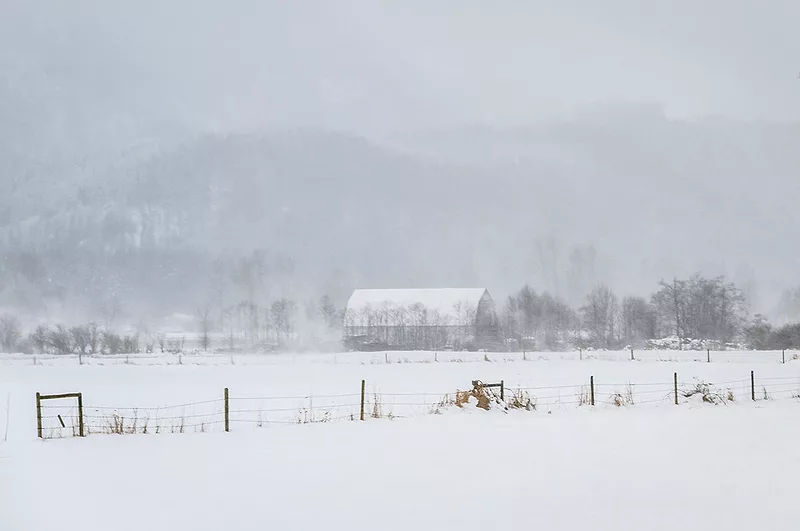
We watch the weather, the markets and the calendar, all while hoping the snow we are shoveling today becomes the moisture we are grateful for in spring. At the same time, shorter days and quieter routines leave more space for isolation to creep in, making winter feel heavier than the wet snow on the end of your shovel.
Here are a few lessons I’ve learned along the way that I think can help farmers get through the winter months.
Changing seasonal mindset
For much of the year, farming demands everything at once. Seeding and harvest move fast, decisions are constant, and the factors outside of our control can be relentless. When you go from operating at what feels like 120 kilometres an hour to hitting the proverbial winter wall, the impact can be harsh.
At first, the slowdown can feel unnerving. Without the urgency of the season, we can feel like we’re not doing enough. Slowing down can feel like falling behind, and that mindset quietly feeds the exhaustion that we don’t do a great job acknowledging. Burnout doesn't always arrive loudly in agriculture. Sometimes it shows up as restlessness, irritability or the inability to truly rest, even when the work slows down, when the noise of the season fades. There’s suddenly space to notice how actually tired we are.
Learning to match the pace of the season has been as much about mental health as it is time management. Winter is our reminder that running full-bunny year-round isn’t sustainable. Rest isn’t weakness, and slowing down doesn’t mean you’re lazy. You are simply restoring the energy needed for the next season.
Just as the ground needs its time to rest, so do farmers, without guilt or shame for doing it.
Make it fun
A couple of years ago, I read a book by author Ali Abdaal titled Feel Good Productivity: How to Do More of What Matters to You. Abdaal shares his mantra, "What would this look like if it were fun?" which suggests reframing tasks, integrating play, finding small joys and prioritizing positive emotions as fuel for success, rather than relying on discipline alone.
There’s always work to be done, animals to feed, kids to drive and life to live, no matter the season. But during those long, cold winter months, these tasks can seem just a little bit less enjoyable.
Winter has a way of taking the fun out of most routine parts of farm life. Cold fingers and toes, frozen ground and frozen waterers can make those short, dark days feel extra long. So if the work and winter are both unavoidable, what would it look like to make it feel more fun? Sometimes it’s as simple as turning the radio in the barn on or calling a friend on the Bluetooth to check in with them while you’re in the tractor. Maybe it’s an extra layer of clothes so you can take the dog for a short walk down the road or have a snowball fight with the kids in the yard. Want to keep the fun going? Just add hot cocoa and those tiny marshmallows. Who doesn’t love tiny marshmallows?
It doesn’t need to be big or take long; just something simple that puts a smile on your face can make a small difference. It’s all those small things that add up that can make a big difference.
Give yourself something to look forward to
Winter can feel endless when every day blends into the next when there’s nothing on your calendar. Giving yourself something to look forward to can change how the season feels.
It doesn’t need to be big or expensive to have a positive effect. A planned trip to town, a family dinner or weekly game night, a weekend away or simple day off the farm can be a nice way to break winter off into more manageable pieces. Looking ahead to your next season can be a great pick-me-up too. Planning your growing season and mapping out projects can help build the momentum you need when the ground starts to thaw.
In agriculture, hope has always been a part of the work. Even in the coldest months, looking ahead is a quiet act of resilience that can help get us through.
Farming has taught me many unexpected lessons, and one of the most surprising has been learning to embrace winter. While I don’t think it’s inspired me to take up any winter sports, it has changed how I see the season. Winter slows us down when the rest of the year asks us to run, creating space to rest, reflect and reconnect.
The snow gives me time to play in the yard with Kevin and Carl, my two Bernese mountain dogs who live for these cold, snowy days. It lets me cheer on my nephews at their hockey games with the rest of my family. And It gives me the opportunity to spend quality time with my husband off the farm when the rest of the year doesn’t allow for it.
Learning to move through winter with patience, intention and a little creativity has helped me see it not as something to simply endure, but as a season that quietly prepares us for what comes next.
Here’s to the rest of the winter season and to a beautiful spring just around the corner.