I married a farmer in late 2016 and began sharing my story in agriculture online in early 2017. My Instagram page started almost like a personal journal, a way to keep friends and family in the loop about my new life on the farm. Over time, it became something more – a learning tool, a community and a bridge between people inside and outside of agriculture.
I grew up in the city and had very little knowledge of the agriculture industry, aside from the time I had spent visiting the farm with my then-boyfriend. I don’t think I fully grasped what living on a farm meant until I got there. I didn’t just live in a house outside the city. I lived, breathed, ate and slept where we worked. Being at home didn’t mean the workday was finished; it meant the outside field work transitioned into the inside office work. Simply put, the work was never done.
This reality was hard for me to accept at first, and when I tried to explain it to loved ones outside the industry, they were just as confused as I was. I’ll never forget the first time I tried to explain to a dear friend that I couldn’t give a solid RSVP to their wedding in September, during harvest season. They were hurt, and I was sad, of course, but our reality is that stopping the combine for even one day can cost much more than missed memories.
My new life was an adjustment not only for me, but for the people around me. Sharing my journey helped bridge that gap. What began as updates for friends and family slowly grew into a way of building understanding for people both inside and outside the agriculture industry.
I’ve found that people who grew up in agriculture sometimes assume everyone knows where their food comes from. For many consumers, that connection simply doesn’t exist anymore. That awareness seemed to grow during the pandemic, when empty grocery store shelves reminded people just how fragile food supply chains can be.
One of the greatest strengths I bring to agriculture is my understanding of the “other side.” I once had as little knowledge of the industry as many consumers do today. I understand the questions people outside agriculture are asking, and I also understand the questions farmers have about what consumers want to know. That perspective has helped me approach conversations with curiosity instead of assumptions. It’s something that has shaped the conversations I have on my podcast, The Rural Woman Podcast, and in my work as a public speaker. I’ll be the first to admit that the internet can be both a blessing and a curse. It can be filled with misinformation, negativity and unnecessary stress. But it can also be a powerful place for connection.
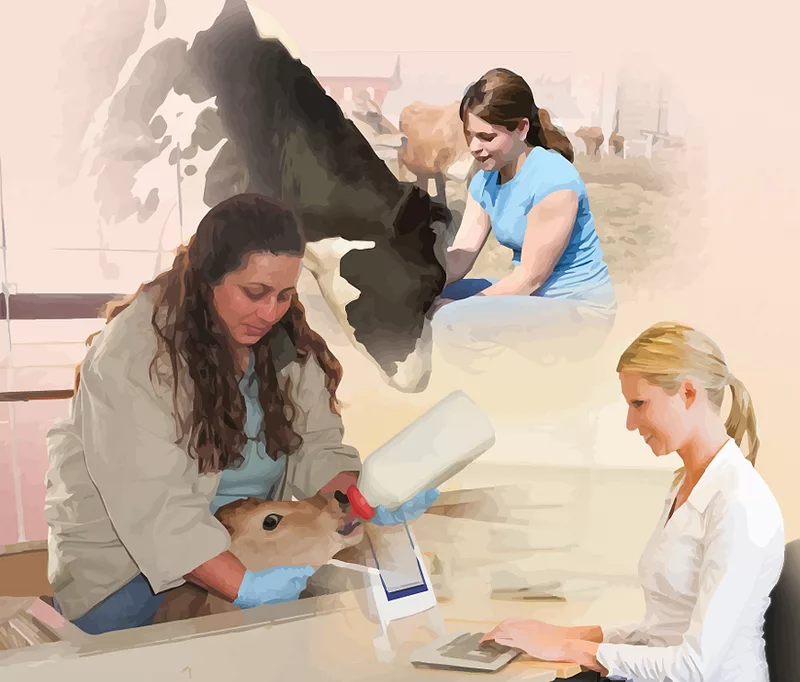
Through sharing online, I found people who understood the realities of farm life. When I posted about the struggles of a bottle calf not doing well or missing another summer barbecue because of farm work, the right people would find those posts and remind me I wasn’t alone. I was also able to see farms from across the world and learn how others were producing food. I watched people share both their successes and their struggles. I saw vulnerability when things went wrong and celebration when things finally went right. Those stories created connection.
I understand that producers already wear many hats and asking farmers to share their stories can feel like adding yet another responsibility. One of the most common responses I hear when I encourage people to share their experiences is simple: “I just don’t have the time.” And honestly, I understand that. Farming doesn’t follow a neat nine-to-five schedule. Some days you leave the house before the sun rises and return long after it sets. Between weather windows, equipment breakdowns, livestock care, family responsibilities and paperwork, the idea of adding content creation to the list can feel overwhelming. But sharing your story doesn’t mean becoming a full-time influencer or spending hours crafting the perfect post. In fact, the most powerful stories from agriculture are often the simplest ones.
Your everyday life is the story
For people outside agriculture, the things that feel ordinary to you are often fascinating. Walking through a pasture to check cows, fixing equipment in the shop, watching the weather forecast like it holds the fate of the farm, making supper during harvest at 10 o’clock at night. These moments might feel routine, but they offer a window into a way of life many people will never experience firsthand.
If you’re not sure where to start, begin by asking yourself a few simple questions:
- What did I do today that someone outside agriculture might find surprising?
- What problem did we solve on the farm this week?
- What is something about farming that I wish people understood better?
Those answers are often the beginnings of a great story.
Capture moments, not perfection
Another barrier people face is the idea that what they share has to be polished or professional. It doesn’t. Some of the most meaningful posts I’ve shared over the years were quick photos taken on my phone between chores: a muddy pair of boots at the door, a tired sunset after a long day in the field or a bottle calf that finally started drinking. You don’t need perfect lighting or a full explanation every time. A simple photo and a few honest sentences can go a long way. The goal isn’t perfection; it’s connection.
Build a simple habit
If sharing feels like one more overwhelming task, try making it part of something you’re already doing. Many farmers naturally pause at certain points in the day – when climbing into the tractor, checking cattle or sitting down for a quick lunch break. Those pauses are opportunities.
Maybe you take one photo during morning chores. Maybe you jot down a quick thought in your phone’s notes app. Maybe you record a short video explaining what you’re doing. You don’t have to share everything immediately. Sometimes the most efficient method is simply collecting moments throughout the week.
Gather content as you go
Think of storytelling as building a small library of moments. When something interesting happens, capture it. Take the photo. Write the note. Record the thought. Later, when you do have a few minutes – maybe in the evening or on a slower day – you can turn those moments into a post. This approach removes the pressure of having to come up with something from scratch every time you want to share.
Keep your schedule realistic
You don’t need to post every day to make an impact. Consistency matters far more than frequency. If sharing once a week is manageable, that’s enough. If once a month feels more realistic during busy seasons like seeding or harvest, that’s OK too. Agriculture already runs on seasons, and your storytelling can follow that rhythm as well. During winter, you might have more time to reflect and share longer stories. During harvest, it might simply be a quick photo and a sentence about how the day went. Both are valuable.
Remember who you're speaking to
One of the biggest lessons I’ve learned from sharing my story is that you never really know who is listening. Sometimes it’s another farmer who needed to hear they aren’t alone in a tough season. Sometimes it’s a consumer who finally understands why weather matters so much. Sometimes it’s a young person wondering if agriculture might be a place for them. Stories create bridges between people who might otherwise never meet.
Your voice matters
If you grew up on a farm, you carry generations of knowledge and lived experience. If you didn’t grow up in agriculture like me, you bring something equally valuable: curiosity and the ability to see the industry through fresh eyes. Both perspectives matter. You don’t have to be an expert to share what you’re learning. You just have to be willing to tell the truth about your experience.
Agriculture needs more voices sharing real stories about what this life actually looks like – the good days, the hard days and the in-between moments that make up the rhythm of rural life. Because every time someone shares their story, they help someone else understand agriculture just a little bit better. And sometimes, that understanding is where connection begins.