Is failure a problem or an opportunity?

I realize that very few people intentionally plan for failure in their day. Yet somehow, like the Mayhem character in those insurance commercials, failure seems to find all of us sooner or later. It shows up in small frustrations, unexpected setbacks or experiences that simply do not go the way we hoped. None of us enjoy those moments, but they can become some of the most valuable experiences we ever have if we respond to them the right way.
Failure or even a bad experience rarely feels good in the moment. However, it can become incredibly valuable if we follow a potentially life-changing four-step process. Each step matters, and they must be completed in order for the full benefit to occur. The steps are not always easy, but once you begin to see the positive outcomes that come from this process, it becomes easier to approach challenges with curiosity rather than fear.
The first step is accepting responsibility. This can be difficult, especially for people who have developed the habit of placing blame on others when something goes wrong. Instead, we must be willing to raise our hand and courageously admit that we had some role in the situation. Accepting responsibility does not mean carrying shame or taking blame for things outside our control. It simply means acknowledging that we have influence over our own actions. When we blame others, we give away our power to improve the situation. When we accept responsibility, we regain control of what happens next.
The second step is asking ourselves an extremely important question: “What can I do so that this unfortunate experience never happens again?” This may be one of my favorite questions of all time. It has been asked thousands of times within our family and our business. Notice the key word in that question is “I.” Someone who asks this question has already begun shifting their mindset. Instead of waiting for someone else to fix the problem, they recognize that they have the ability to influence the outcome. Often there will be several answers to this question, and identifying multiple possibilities increases the chances of finding a lasting solution.
The third step is taking action. Sometimes the solution may involve a simple change that can be implemented immediately. Other times it may require adjusting habits, behaviors or systems over a longer period of time. This step can be challenging because it requires more than good intentions. It requires follow-through. Occasionally, it may be helpful to involve an accountability partner, mentor or coach who can provide support and encouragement. What matters most is that we move beyond talking about improvement and begin practicing it.
The fourth and final step is forgiving ourselves or others and moving forward. For some people, forgiveness comes naturally. For others, it can be the most difficult step of all. Holding onto anger or regret can quietly drain our energy and keep us trapped in the past. Forgiveness does not erase the lesson we learned. Instead, it allows us to release the emotional weight that might otherwise prevent growth.
When all four steps are followed completely, the results can be remarkable. Occasionally, someone will tell me this process did not work for them. In my experience, the only time it fails is when one of the steps is skipped or only partially completed. Each step builds on the previous one, and the full benefit appears when the entire process is followed.
There are certain mistakes we should do everything possible to prevent, and others that can serve as valuable learning experiences. As parents, we naturally want to protect our children from pain. Sometimes that includes trying to shield them from failure. Yet some failures provide opportunities for growth that cannot be learned any other way.
For example, a serious mistake such as drinking and driving should always be prevented if possible because the consequences can be devastating. However, many everyday failures can help children build resilience and confidence. When those moments occur, guiding them through this four-step process can help them transform a disappointing experience into a powerful learning opportunity.
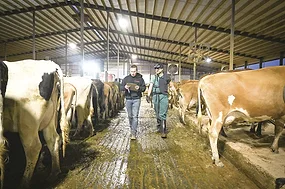
This same process is also used on our farm when accidents or mistakes occur. Whenever something unfortunate happens, we walk through these steps together and document the answers. Not only does this help prevent similar issues from happening again, but it also reinforces a culture of learning rather than blame. People grow when they know mistakes will be treated as opportunities to improve.
The process also works well in relationships. No relationship is perfect because no person is perfect. Yet when couples, families or friends consistently apply these steps, conflicts are less likely to repeat themselves over time.
We are all moving toward the future one decision at a time. The question is not whether we will experience failure. The real question is what we choose to do with it. When approached with courage and responsibility, failure can become one of the most powerful opportunities we ever encounter.