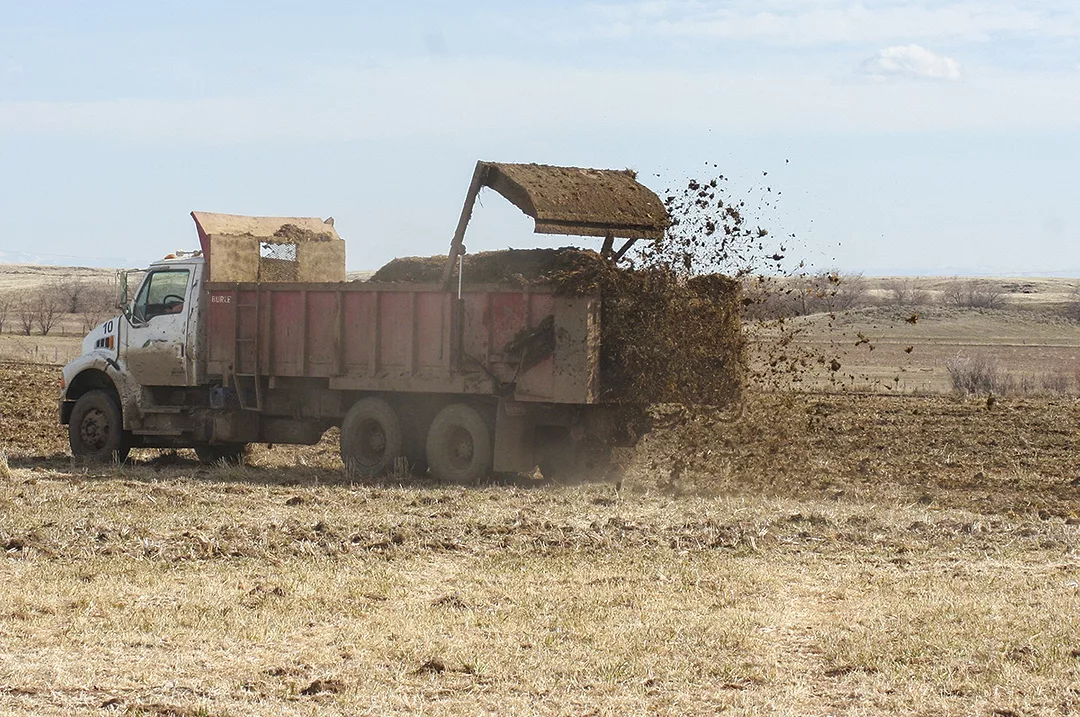
Fertilizing crops with manure is a practice as old as agriculture itself. Archeological research has shown the use of manure as fertilizer as far back as 8,000 years ago. With the introduction of synthetic fertilizers after World War II, the use of manure lost its prevalence to the point that many producers quit using it on their fields for decades. By the end of the 20th century, increasingly larger confined animal feeding operations (CAFOs) became the dominant animal production system in the U.S. and many other countries. The CAFO system brought many advances, including manure production, accumulation and concentration to scales never seen before. It also represents an excellent resource and an opportunity to utilize those nutrients on many crops, including forages, and significantly reduce or almost eliminate the need to use most synthetic fertilizers on fields receiving manure.

Manure characteristics variability
Some of the most cited reasons for not using manure as fertilizer are its variability in nutrient content and the need for specialized equipment to apply it. Manure varies significantly in its properties, nutrient content and handling characteristics depending on what animal species it comes from, the animals' diet, the collection system and the treatments it may receive. In many cases, nutrient content also varies within the same species and even the same production unit. However, those variations are less between species and can be accounted for when utilizing manure. Regarding the use of specialized equipment, if a producer or group of producers use manure regularly and incorporate it as part of their comprehensive nutrient management, the return on investment on the right equipment has a reasonable time frame. Equipment can be shared by different producers or diverse units within the same company.
A valuable resource
Manure utilization is usually calculated by the value of the manure based on the replacement of nitrogen (N), phosphorus (P) and potassium (K) from synthetic fertilizer. That value serves to calculate costs and savings quickly but does not consider the immense value manures (or composted manures) bring to soil health. One benefit is adding organic matter (OM) with different contents and carbon (C) availability to the soil. Other benefits of manure application include increased water absorption and retention, incorporation of elevated and diverse amounts of beneficial microorganisms and a wide array of micronutrients that enhance the soil’s microorganisms and promote healthy crop growth and soil erosion reduction.
Use resources carefully
The most evident issue is the overapplication of manure on cropland. Manure is a fantastic resource, but it may become a significant liability if too much of it is applied. The same concept applies to synthetic fertilizers! The difference is that, in many cases, the cost and accumulation of nutrients (and problems) in soils and crops come faster when using excessive synthetic fertilizers than when using excessive amounts of manure. Unfortunately, it is a common practice to apply manure to cropland to “dispose” of the manure without proper nutrient and crop management calculations or considerations.
Know your goals
Proper management of nutrients is fundamental to making the most effective use of manure and reaching the highest cost-benefit. Modern farmers have a wide range of technologies and resources at their fingertips. Producers need to undertake the use of manure and soil nutrient management with the same detail they take for the rest of the crops or animal production processes. One of the first tasks is to know your soil’s conditions and nutrient content. At a minimum, an annual soil sampling of each field should be done to evaluate what is the nutrient content and status of your soils.
A complete agronomic laboratory analysis will tell the soil content and different forms of macronutrients and micronutrients. Similarly, you need to know the nutrient content of the manure or compost that will be applied. A manure laboratory test will give all those values. Taking representative samples of soils and manure or compost is important to have good average values. After recording those values, calculate the nutrient needs of each field based on the crop uptake, and apply manure or compost accordingly, based on how many nutrients they will add. It is important to remember that not all the nutrients present in manure or compost will be available in the immediate season after application.
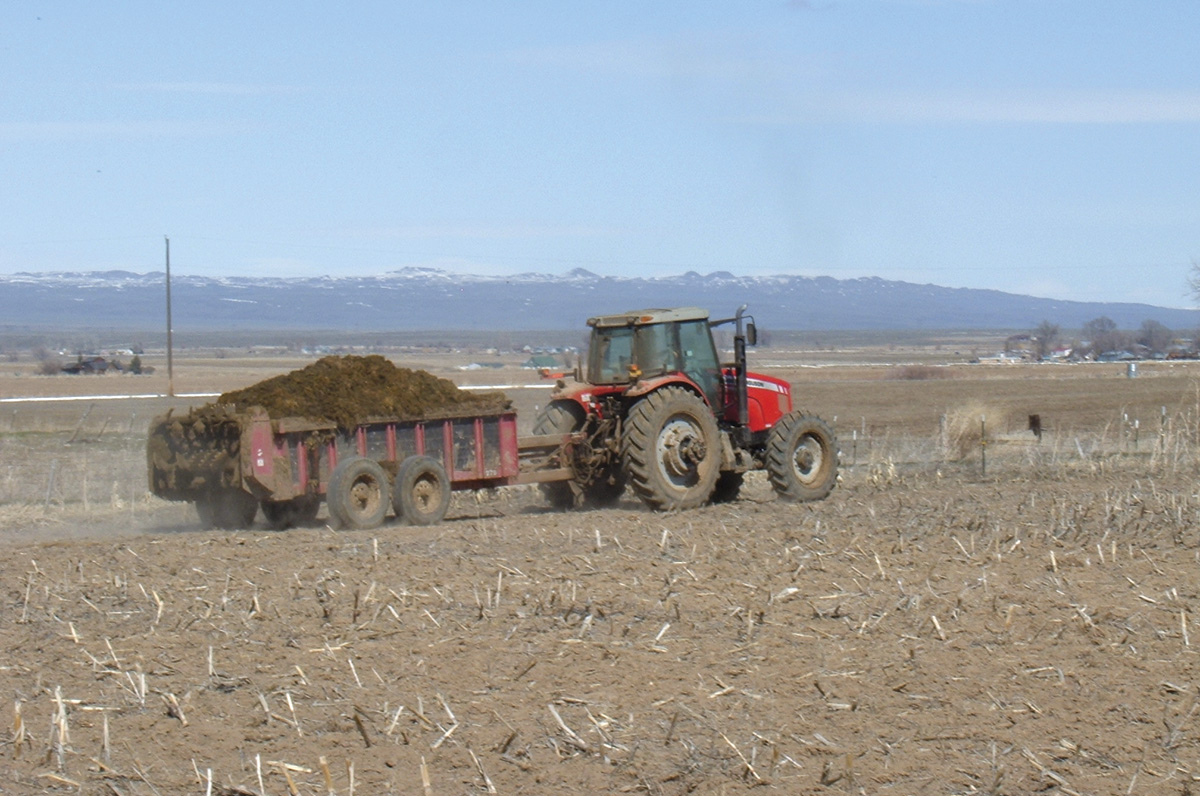
Image by Mario E. de Haro.
Generally, around 70% to 90% of manure’s P, K and micronutrients will be available in the first cropping season after application. For nitrogen, that value is around 15% to 30%. The availability of nutrients depends on the origin (animal species) and characteristics of the manure and soil receiving it. Unless soils are significantly depleted of nutrients, manure can provide all the primary nutrients and micronutrients most crops need, except N. When calculating additional N, it is imperative to account for the available N in manure or compost and the soils that will receive it.
Trying to apply manure to supply all the necessary nitrogen for crops will result in excessive application of all other nutrients. This is especially true for P, K and soluble sodium (Na) salts that will accumulate in excess in soils and could potentially damage crops, leach or move by erosion to the environment where they can damage ecosystems or contaminate waters. The best approach in most cases is to calculate the amount of manure to add based on P and K crop needs and supplement N to cover the difference.
Possible drawbacks of using manure
Some possible issues when using manure to improve soils and fertilize crops include overapplication, either by applying too much at once or by applying manure year after year on the same field without accounting for nutrient accumulation. Sodium salts are one of the most common. Dairy manures can contain copper (Cu) from footbaths, which can concentrate to toxic levels over years of application. Never apply manure from a production unit with a known disease to a pasture or a growing forage without composting it first. Properly compost such manure, and then apply it to soils in the fall on fields that will grow new crops in the spring.
When to apply manure or compost to forages
Application timing is determined by the type of forage, growth stage, type and availability of manure:
- For annual forages, such as corn silage, sorghum (in temperate climates) or small cereals, apply manure in the fall after harvesting the previous crop or in the spring before planting. In both cases, soil incorporation as soon as possible is highly recommended (or mandatory in some locations).
- For perennial forages, such as alfalfa, grasses and similar crops, there are three options:
- Apply manure at the end of the crop’s life before preparing the soil for the next rotational crop.
- Apply manure before planting a perennial crop, as described in option one.
- Apply manure or compost (easier to apply) to a standing perennial crop.
Check the soil moisture content before applying solid or slurried manure on a perennial crop to avoid entering fields with high soil moisture, which can compact soils and damage crops. It is better to apply manure immediately after the first cutting if it is green-chopped – before the new regrowth takes place. If the pasture is grazed instead of harvested mechanically, add manure immediately after the animals have been moved from a grazing period, giving it plenty of time before a new grazing event. If the field is grazed in any way (pasture, corn or cereal stubble, etc.), remember to account for the manure left by the grazing animals when making your nutrient balance.
Manures are fantastic soil amendments and fertilizers. Proper utilization and accounting for nutrients and other properties are fundamental when adding them to any pasture or cropland. Take full advantage of manures and coordinate with livestock producers around the area to access this valuable resource.