Sand bedding is often a trusted choice for dairies to provide cow comfort and promote udder health. These dairies understand the importance of managing their sand-laden manure and the impacts sand has on their dairy.

However, even facilities that do not use sand bedding still deal with the unseen challenges of nuisance sand. This sand infiltrates manure systems through feed, equipment and environmental exposure, creating hidden operational headaches.
While removing 100% of sand from manure is not realistic, proactive manure management strategies can significantly reduce its impact, helping to preserve both the longevity of your equipment, your manure system’s performance and the quality of your bedding.
A hidden threat of sand
Unwanted sand is different from bedding sand. It’s a nuisance – typically not purchased, unintentional, fine and difficult to control. This sand sneaks in with the environment, accumulating in manure pits and digesters, creating unforeseen complications. Windborne sources like blow sand, runoff from fields, equipment contamination, feed sources and even livestock movement can contribute to unwanted sand in your manure.
Blow sand, or wind-deposited sand, is one of the primary sources of unwanted sand in manure. This fine, dry sand is carried by the wind from surrounding fields, roads or open areas, settling into drylots, freestalls and manure and bedding storage areas. In dry, sandy regions, this problem is especially pronounced, as strong winds transport large amounts of fine sand, which mixes with manure as cows move through open lots or excrete waste. Over time, this added sand builds up, creating larger issues within the manure system.
Additionally, sand can enter the manure system through runoff from surrounding fields or pastures. During heavy rains or snowmelt, loose soil and sand can wash into manure lagoons or pits, particularly if proper drainage or ground cover is not in place. This runoff not only adds to sediment buildup but can also impact the composition of manure used for fertilizer application.
Equipment and feed sources can also introduce nuisance sand into the manure system. Sand or fine dirt can accumulate on feeding equipment, mixers or tractors and inadvertently get mixed with manure when these machines operate in or around the farm. Similarly, feed sources, particularly silage stored on dirt floors or ground-level bunkers, can pick up small amounts of soil or sand, which then pass through the animals' digestive systems and end up in manure.
Livestock movement in pastures with sandy or loose soil can further contribute to sand contamination, especially in dry conditions where animals kick up dust that later settles into manure collection areas. Left unchecked, nuisance sand contributes to excessive equipment wear, reduces manure storage capacity and complicates the efficiency of anaerobic digesters.
Why managing all sand matters
Sand – whether wanted or unwanted – presents challenges in manure management, as sand-laden manure is abrasive, heavier than manure alone and impacts many areas of the dairy farm. Keeping sand in its intended places helps dairies optimize their manure and bedding management.
One of the most immediate issues is increased equipment wear, especially for systems not designed to handle sand. Sand can accelerate the deterioration of manure pumps, separators and pipes. Over time, this increased wear can lead to frequent maintenance, early replacement, unexpected downtime and costly repairs.
The need for effective sand separation becomes even more critical as more dairies adopt anaerobic digesters to generate renewable energy. These systems are designed to process organic material, and excessive sand can interfere with their efficiency by displacing valuable digestible content and causing mechanical issues. Without proper sand separation, digesters may require frequent shutdowns for maintenance, reducing overall productivity.
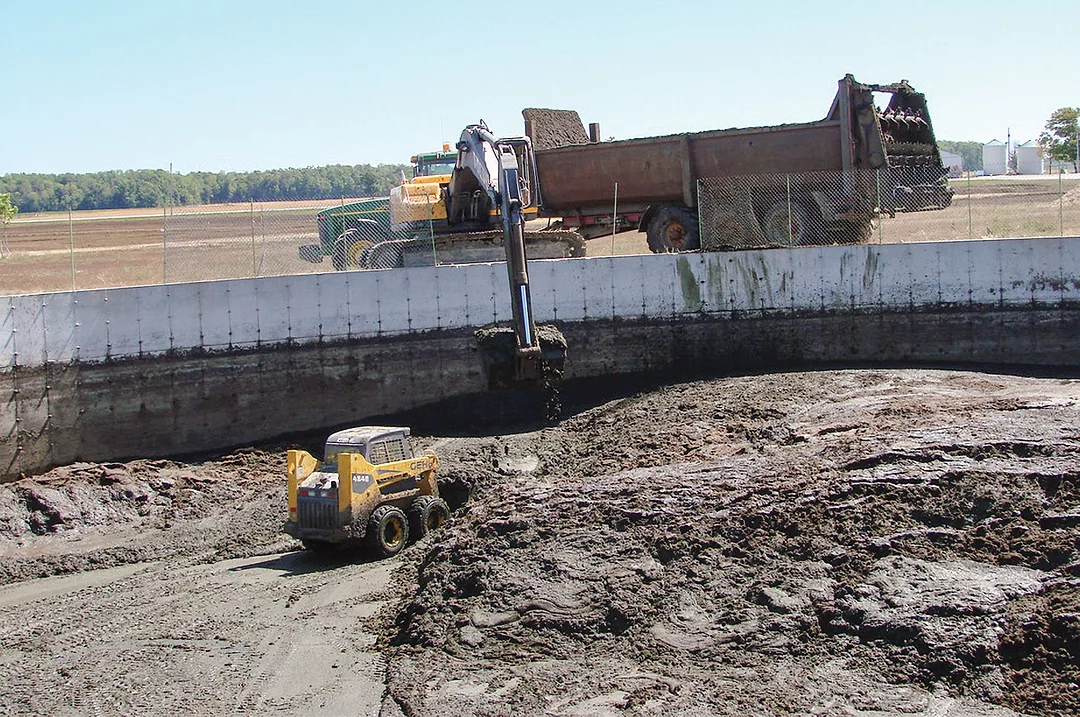
Some dairies have faced severe consequences due to sand accumulation in their digesters. A large dairy in Oregon spent more than $5 million removing built-up sand from a digester that had become so clogged it was no longer functional. The cleanup process involved heavy equipment and prolonged downtime, impacting the farm’s ability to generate renewable energy and reducing overall profitability.
To minimize these challenges and ensure sand remains beneficial rather than burdensome, dairy farmers can implement strategic management practices to keep unwanted sand out of manure storage, equipment and fields.
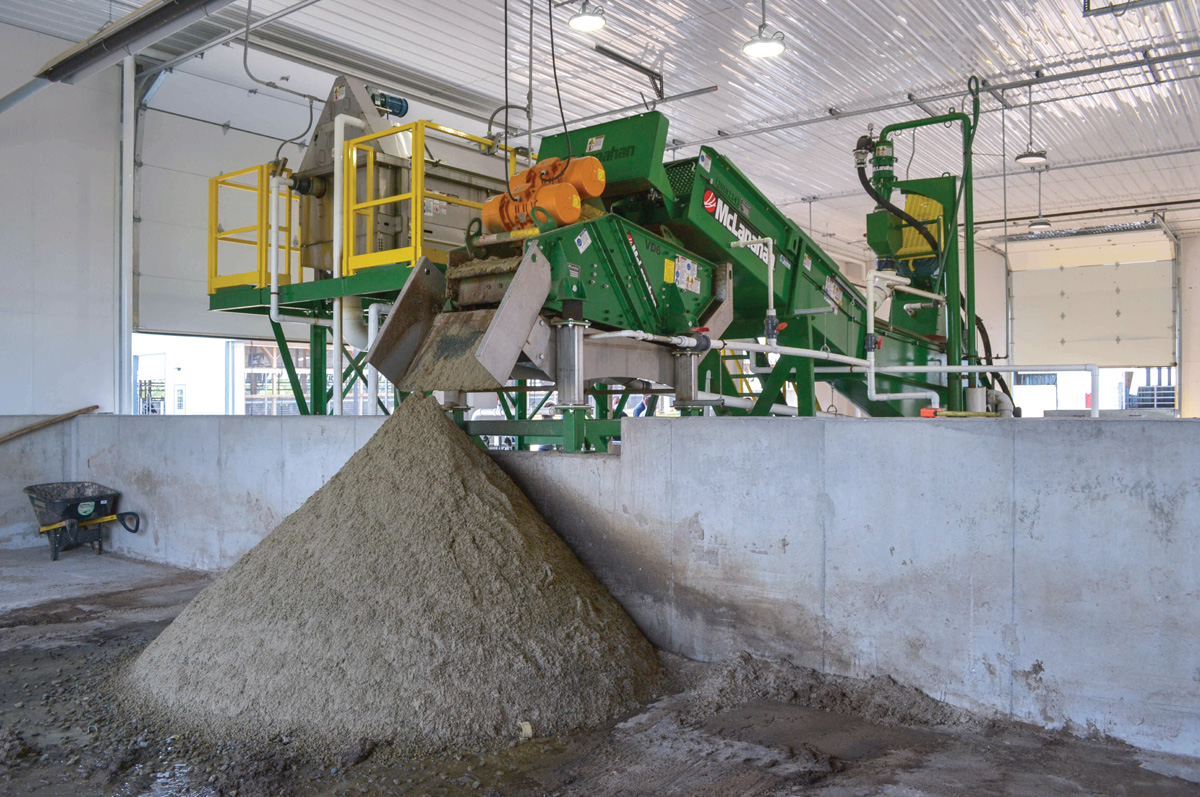
Nuisance sand is an unavoidable challenge for dairy farms, but with the right sand management strategies and separation, it doesn’t have to be an expensive problem. Image courtesy of McLanahan.
Reducing unwanted sand
Dairy farmers can minimize nuisance sand’s impact by implementing a combination of physical, operational and technological solutions.
Blow sand, a specific form of nuisance sand, primarily enters the dairy via wind. Establishing windbreaks like trees, fences and fabric barriers around open lots and manure storage areas can help mitigate sand infiltration.
Keep bedding inside whenever possible to also limit blow sand contamination. Bedding stored outdoors is more likely to collect wind-blown sand and other debris, which can enter the manure system when used in stalls. Proper storage in covered areas or enclosed barns helps ensure bedding remains cleaner and reduces the risk of nuisance sand infiltrating the system.
Enclosed storage also minimizes moisture accumulation, helping to maintain bedding quality and reducing unnecessary waste. Pressing and drying manure solids is an alternative to composting manure solids outside to help avoid unwanted sand accumulation.
Additionally, equipment used on the farm also plays a role in sand contamination. Tractors, loaders and feed-handling equipment can introduce additional sand into bedding and the manure system. Ensuring equipment is regularly cleaned and strategically maintained can help reduce sand accumulation in manure storage areas.
Advanced sand separation technologies are also proving sand removal efficiency. Sand lanes and mechanical separators capture larger sand particles before manure reaches storage, while hydrocyclones and centrifugal separation use G-force to extract fine sand that might otherwise bypass traditional systems. Screw presses for dewatering manure further aid in reducing sand-laden moisture, making separation more effective.
Nuisance sand is an unavoidable challenge for dairy farms, but it doesn’t have to be an expensive problem. By implementing proactive sand management strategies, dairy producers can extend equipment lifespan, reduce maintenance costs and optimize manure-handling efficiency.
For dairies bedding with sand
Sand is a valuable resource for dairies and should be managed accordingly. From cow comfort to crop production, sand bedding influences nearly every aspect of your farm. Keeping sand in the right places and maintaining its quality benefits both you and your herd.
Just as nuisance sand can affect equipment, manure storage and digesters, the sand you use for bedding can also cause issues if not properly managed. Effective sand management is key to keeping it where it belongs and preventing unnecessary complications.
Environmental factors can also impact sand bedding. Wind can introduce organic matter and other debris, reducing bedding quality. Storing sand indoors and using proper separation techniques can help keep it clean while still delivering its many benefits.