While often treated as a logistical detail, the timing of wrapping after baling has a lasting impact on the value of bale silage and the productivity and performance of the livestock it supports. For many producers, one of the key advantages of silage, or baleage, is the ability to harvest high-quality forage in a shorter window of time.

But, as with any harvested forage, timing is still key. Forage quality starts to decline shortly after cutting, and the interval between baling and wrapping directly affects fermentation, nutrient preservation and bale stability. Delays of just a few hours can lead to dry matter (DM) losses, spoilage and suboptimal fermentation outcomes.
Making strategic decisions around moisture content, weather conditions and equipment performance helps protect forage value and animal performance and supports a broader goal – achieving better outcomes across the entire operation.
Time of wrapping and its impact on quality
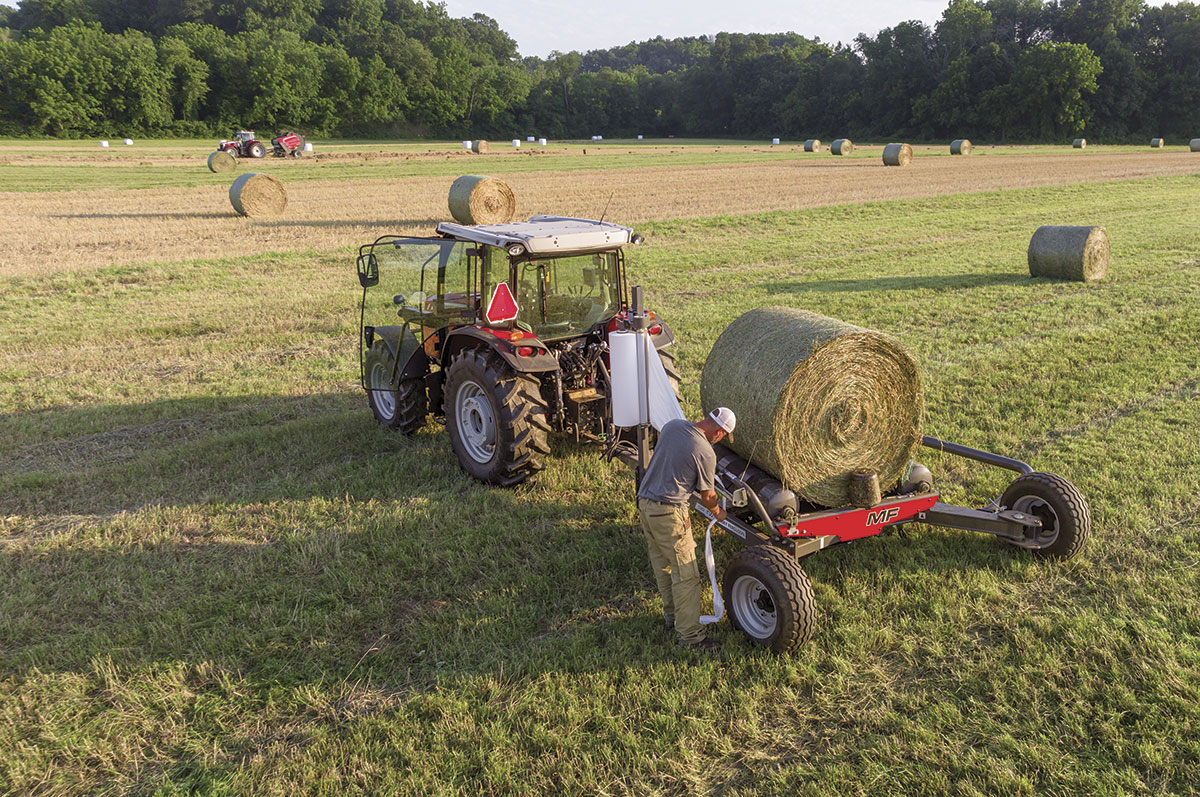
Once forage is cut, producers begin a race against the clock to maximize quality and nutritional value. Most producers aren’t able to simultaneously wrap bales as they exit the baler. This delay between baling and wrapping can have a significant impact on quality. Oxygen trapped inside unwrapped silage bales creates ideal conditions for aerobic microbes, which swiftly consume sugars and generate heat – both of which contribute to a decline in feed value. Research has shown that if this aerobic phase extends beyond four hours, DM losses of up to 10% can occur, representing a tangible impact on operational efficiency and return per bale. For producers managing 1,000 bales annually, this could mean a loss of forage equivalent to 100 bales.
Field trials were conducted near Kennett Square in southeastern Pennsylvania and in Beauvais, France. Bales were wrapped at zero, two, four, eight, 24 and 48 hours after baling.
We found the ideal window for wrapping is within four to eight hours or less of baling. In the Pennsylvania location, bales wrapped at the two-hour mark quickly transition the bale into anaerobic conditions, which support effective fermentation. In line with research from across the industry, our study showed that bales wrapped within this window maintain lower internal temperatures, significantly reduce spoilage and improve available crude protein (CP). These bales exhibited high levels of lactic acid and pH values falling below 5 within 48 hours – conditions ideal for stable, long-term storage.
We found that bales wrapped promptly within four hours retained greater lactic acid concentrations and experienced a faster drop in pH, creating a more favorable environment for preservation and reducing the risk of undesirable fermentation outcomes.
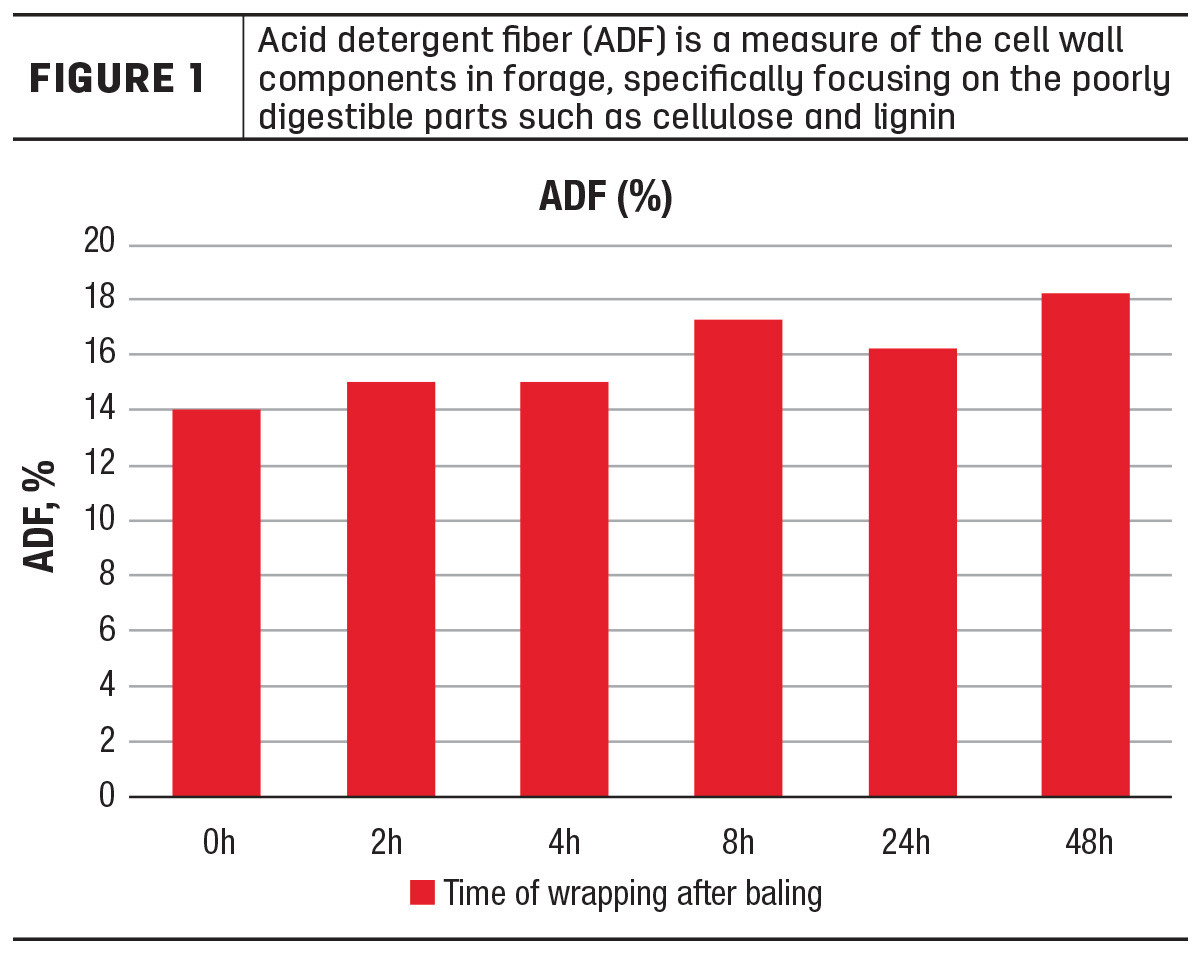
Bales wrapped within the four-hour window also achieved the highest relative feed value, with average values near 150, compared to delayed wraps, which showed relative feed value drops of up to 20 points. Early wrapped bales also showed improved acid detergent fiber (ADF) and neutral detergent fiber (NDF) scores, translating into better digestibility and higher intake potential for livestock.
For a cattle operation, a 2% improvement in digestibility would yield an additional 0.1 pound per day (0.45 kilogram per day) of gain on a growing steer. Likewise, concentrate feed (grain or grain byproduct supplementation) requirements for dairy cows increase by 4% for each 1% decline in silage DM digestibility. In other words, the greater the digestibility of the forage in the diet, the less additional supplementation is needed to produce the same amount of milk.
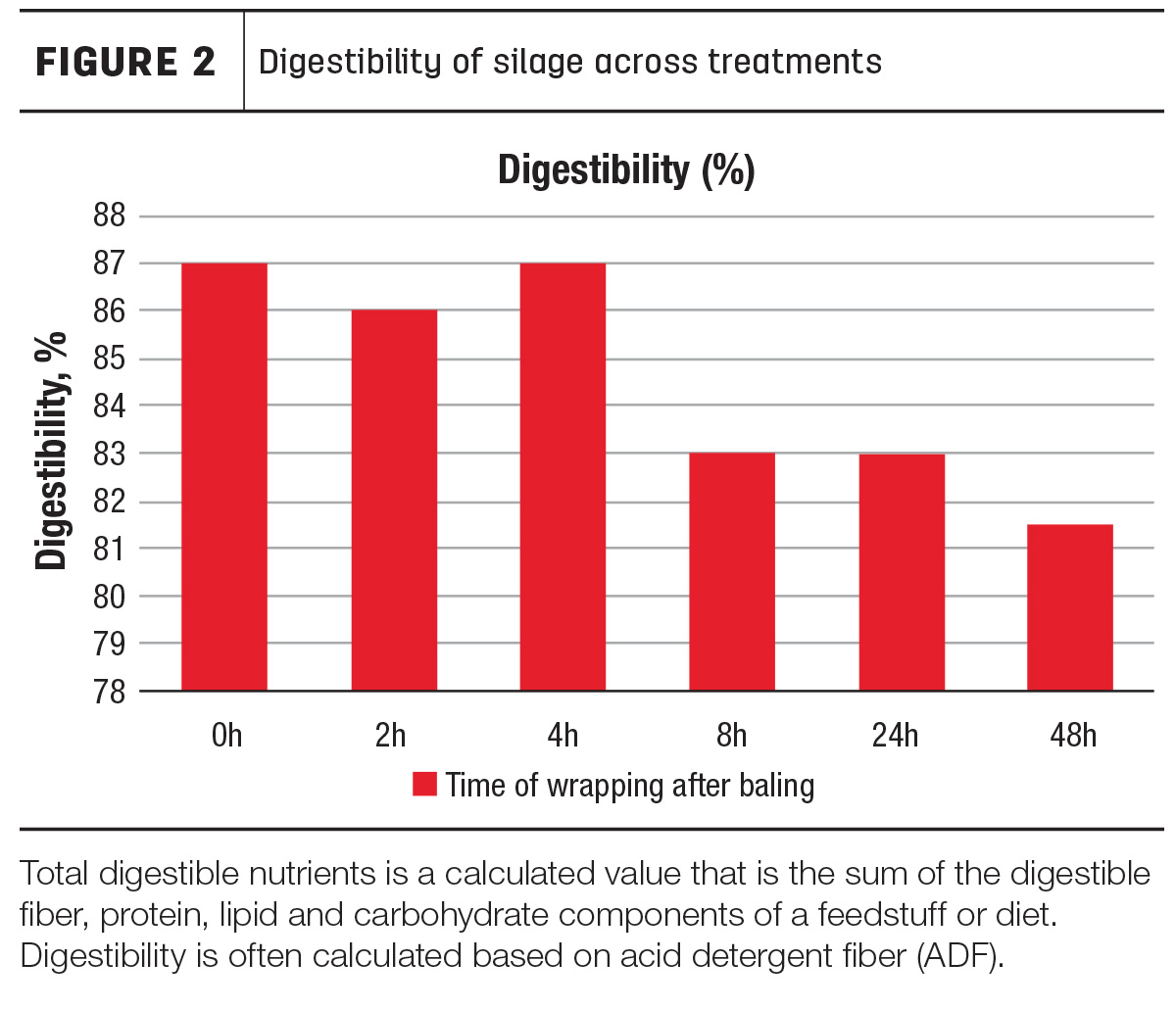
Delaying wrapping for 24 hours resulted in significantly lower CP availability and digestibility values. According to our research, available protein – at 94% – was greatest in bales wrapped immediately or two hours after baling. Available protein declined to 92% in bales wrapped after four and eight hours and to 90% in bales wrapped 24 hours after baling, indicating heating of the bales and denaturing of the proteins.
Additional considerations
While timing is crucial for preserving silage quality, it is not the only factor that affects forage quality. Moisture content plays an equally vital role, acting as a key factor that works in tandem with wrapping speed to influence fermentation success.
For optimal results, silage bales should maintain a moisture range between 45% and 60%. Forage that falls below this range becomes more difficult to ferment. Proper exclusion of oxygen and adequate sugar levels in the forage can result in proper fermentation byproducts in forage below 45% moisture, but this is not typical. On the other hand, overly wet forage heightens the risk of undesirable bacterial activity and increases the risk of clostridial fermentation, leading to adverse livestock health risks, particularly in conditions that delay wrapping.
Bale density can also play a key role in improving the fermentation of bale silage. Field studies show that the greater the bale density, the higher quality fermentation byproducts result and the longer the bale can be exposed to oxygen without spoiling. A highly dense bale excludes oxygen quickly and converts the aerobic bacteria to anaerobic, initiating the fermentation process quickly after wrapping.
Strategies to improve wrapping efficiency
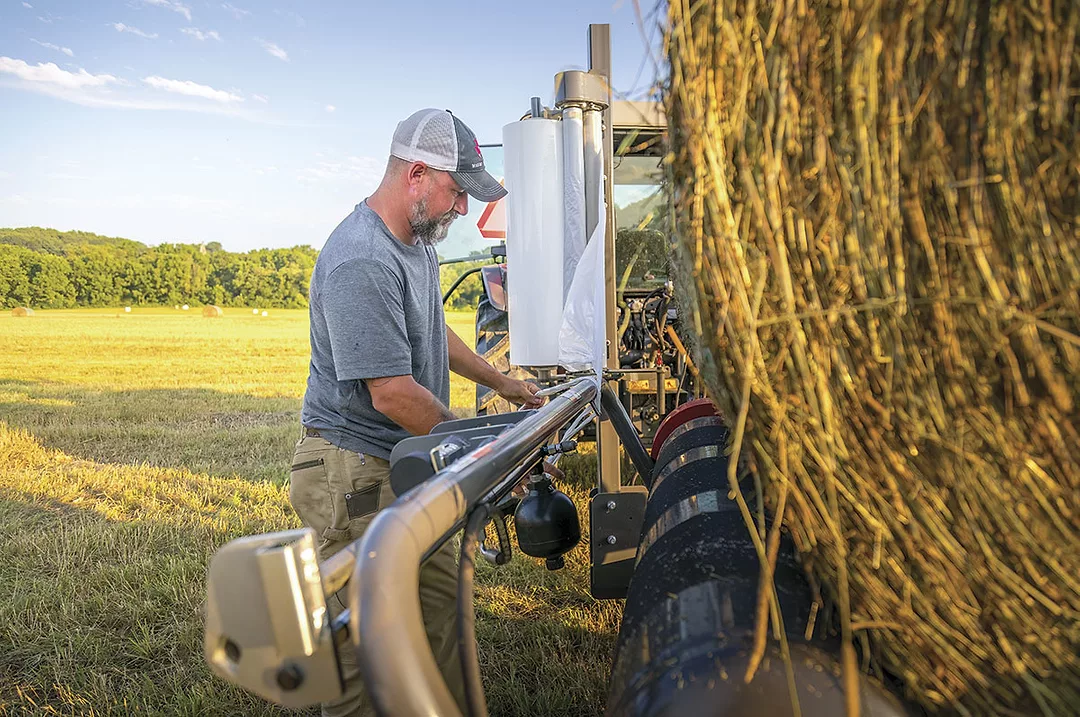
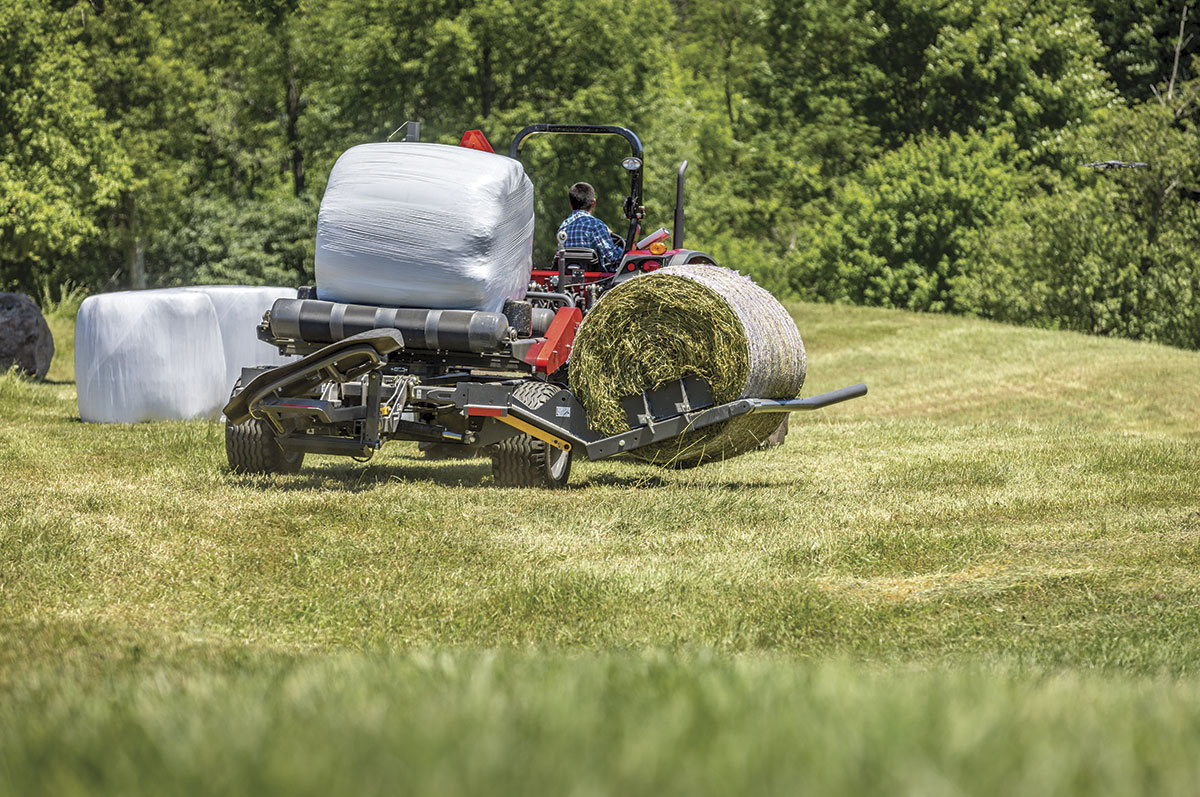
Field logistics play a decisive role in wrapping efficiency. Placing wrappers and storing bales close to the baling operation reduces total handling time. Prechecking machinery, having extra rolls of wrap staged and ready, and ensuring all equipment is maintained in optimal condition can also minimize unexpected delays.
Integrated baler-wrapper units that streamline the baling and wrapping process in one continuous operation can reduce overall labor and time demands while improving wrapping consistency. These systems are particularly effective in high-throughput operations where minimizing downtime and achieving uniform bale quality are critical. Equipment with automatic tie and wrap cycles, adjustable tension settings and high-speed wrap applicators can further increase wrapping efficiency while reducing film waste.
Wrapping right
Timely wrapping is more than a recommended practice – it is a well-documented strategy for protecting forage value, leading to improved animal performance. High-quality bale silage supports improved daily gains and reduces the need for high-cost supplement feeds, creating both nutritional and financial advantages.
In today’s complex agricultural environment, where margins are tight and expectations are high, every detail matters. Aligning moisture management, equipment capabilities and field strategies enables producers to preserve more, perform better and ultimately achieve more from each harvest – from the field to the feedbunk to the bottom line.