Have you ever tried over and over again to get rid of something, but it just keeps coming back? It is frustrating when, despite your best efforts, that annoying little thing just won’t go away and continues to be a thorn in your side.

That’s the way it is with mycotoxins. Despite attempts to get rid of those pesky molds, mycotoxins continue to proliferate. A study showed that mycotoxins are present in more than 85% of grains worldwide, and the threat also exists in silage.
Mycotoxins are secondary metabolites produced in feeds by various species of molds. Although the rumen microbial community can detoxify many different mycotoxins, a dairy cow’s high rate of feed intake and feed passage out of the rumen make it unlikely for complete detoxification of mycotoxins that find their way to the small intestine.
Mycotoxins can form in the field, during harvest, when in storage or in processing or feeding. There are several different mycotoxin species, and while one mycotoxin can do damage, the additive effect of having multiple mycotoxins present in a diet is greater than when a single species is present alone (Figure 1).

Since mycotoxins are so prevalent, it is important to have a plan in place to mitigate their impact on animal health and performance. When I work with clients, I focus on PPR: prevention, protection and resiliency.
An ounce of prevention
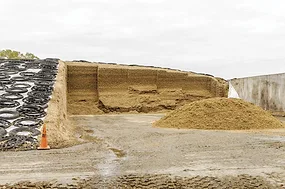
There are several factors that help prevent the impact of mycotoxins. It starts by harvesting forages at the right moisture level. Grains should never be stored at more than 15% moisture, and forages should range between 60% and 70% to encourage adequate packing. Once harvested, forages need to be packed well to remove oxygen, which can limit the mold growth that leads to mycotoxin development. Cover any forage piles with plastic to limit interaction with oxygen.
During feedout, try to limit exposing stored feed to air for extended periods. Only scrape enough forage from the face of your silage pile to suit needs for a specific feeding. Avoid feeding any ingredients that appear to contain mold.
While the presence of mycotoxins is almost guaranteed, it is important to understand the type of mycotoxin you’re dealing with. Test forages to identify the occurrence and prevalence of specific species and figure that information into your control plans.
From an ingredient standpoint, include products in the ration that bind to mycotoxins and remove them from the body. There are a few different classes of binders to consider.
- Organic binder: This class of binders, such as those derived from cell walls, interacts with mycotoxins to reduce their ability to affect the cells in the intestinal wall.
- Inorganic binder: These include compounds, such as bentonite, that physically absorb mycotoxins and prevent them from being able to move into the animal’s body. They trap toxins and let them pass through the animal’s body. When using a product containing bentonite, use products that contain highly refined bentonite so it can be fed at a lower inclusion rate.
There are products available on the market that combine organic and inorganic binder properties into one effective binding product. Ask your nutritionist about products that match these characteristics.
Build protection against surviving mycotoxins
No binder can remove all mycotoxins, but there are products available that can help reduce the impact of mycotoxins that reach beyond the rumen.
Any unbound mycotoxins pose a threat to the immune system’s first line of defense, the epithelial lining that acts as a barrier on the inner surface of the gut (Figure 2). This barrier is critical to animal health because it keeps pathogens from migrating from the gut to inside the animal, where they can cause harm. Specific proteins create tight junctions between cells and strengthen the barrier’s ability to ward off pathogens.
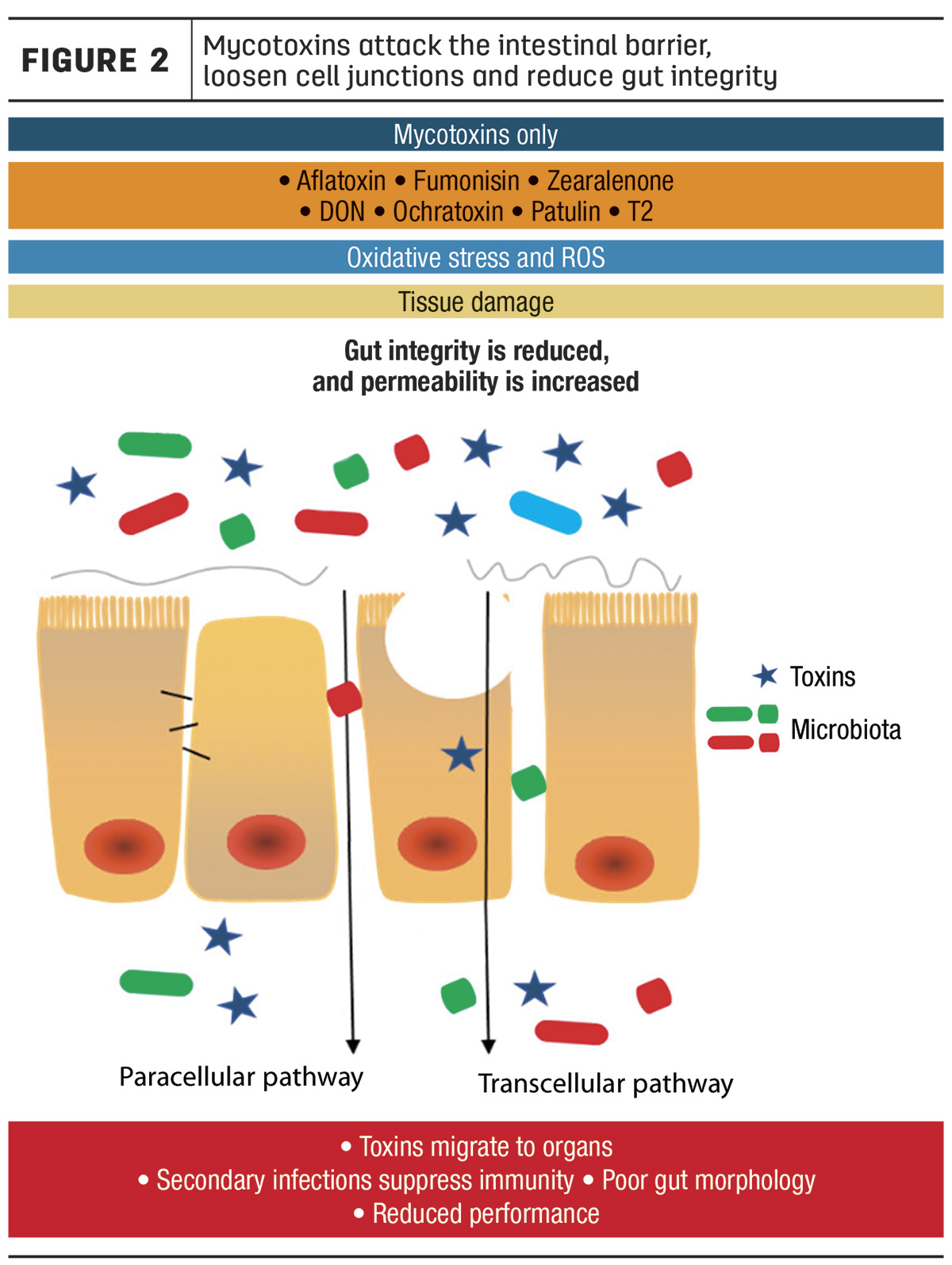
Mycotoxins work by attacking the intestinal barrier, loosening cell junctions and reducing gut integrity. This creates “leaky gut” syndrome by enabling pathogens to pass through the barrier and migrate to organs, where significant damage can be done.
The gut wall can be protected from mycotoxin damage by feeding products that tighten cell junctions and prevent passage of pathogens.
Build resilience so cows are prepared
Avoiding the impact of mycotoxins and other pathogens takes resilient cows with strong immune systems. We’re helping mitigate the effects of mycotoxins by preventing mycotoxins from getting a foothold in the gut and strengthening gut integrity to prevent pathogen passage into other areas of the body.
Refined functional carbohydrates (RFCs) are highly bioavailable and help support digestion in the rumen while simultaneously protecting the hindgut from pathogens and mycotoxins. In a research study, RFCs were found to effectively bind mycotoxins, resulting in a significant reduction in epithelial cell damage due to the mycotoxins aflatoxin, T-2, DON, zearalenone and fumonisin B1.
Products that contain RFCs can provide both functions: binding mycotoxins and strengthening the intestinal wall. There are other benefits:
- Can protect opportunistic pathogens from colonizing and infecting
- A healthy gut epithelium allows for efficient feed assimilation
- Restores the immune system and keeps animals protected from infection
- Can lead to better cow performance, which leads to greater profitability
Research also documents the effect of RFCs on pathogen binding, specifically salmonella and E. coli. One study found that S. Newport, S. enteritidis, S. Dublin and S. cholerasius were all bound in the presence of RFCs, as was E. coli F18.
New mycotoxin species emerge every year and spread rapidly to affect livestock. Protecting cows from these pathogenic pressures is important to protect cow health and maintain a productive herd. Gut health has never been more important, which adds to the critical nature of a mycotoxin mitigation strategy.
Work with your nutritionist to build a mycotoxin mitigation strategy that includes these components to help protect cows from the inside out:
- Prevent mycotoxin-related performance issues by binding mycotoxins.
- Protect the gut from mycotoxins that make it through binding by building stronger gut integrity and thereby stopping mycotoxins from spreading into the bloodstream.
- Enhance gut integrity overall, for stronger immune function and faster recovery in the face of other threats.
References omitted but are available upon request by sending an email to the editor.