Within agriculture, the dairy industry has long been at the forefront of adopting agriculture technology. Filled with long hours, hard work and escalating input costs, dairy operations continue to rely on innovative developments to spawn efficiency and profitability gains. Given that sophisticated technologies, many of them new, come with high price tags, how can dairies ensure their agricultural technology (ag tech) acquisitions come with real payback on their investment?

Dairy farming challenges are formidable. Rising costs for feed and dairy replacement cows layered with labor challenges, an unpredictable market and volatile weather are taking their toll, leaving farmers little room for error in their decision-making. Smart and sustainable farming through decarbonization, automation, digitization and learning technologies are reshaping how dairies operate and are becoming a necessity for dairies to remain viable while continuing to meet consumer and market demands. But as ag tech has grown more sophisticated in response to these perennial challenges, so has the level of complexity and number of products either in or entering the market.
Implementation or innovation?
Investing in new technology should not be like purchasing a lottery ticket. Success requires a systematic assessment that goes beyond product selection, delivery and installation.
Yes, it’s true that product innovation is a necessity to overcome tough problems, but implementation is equally important. Successful deployment of large, complex machinery isn’t something that is simply turned on; it is something a farm grows into. That requires a learning mindset and ongoing encouragement from farm leadership, so farmhands willingly prioritize and incorporate the acquisition into day-to-day operations.
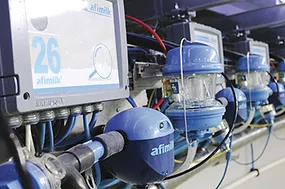
Automated milking systems are an excellent example. A 2021 research study shared by the National Center for Biotechnology Information (NCBI), a division under the National Institutes of Health (NHI) on automated milking systems, describes them as one of the most significant technological developments in the dairy sector. Studies have reported an increase in milk production of 2% to 12% in cows milked with automated milking systems compared to cows milked twice per day in traditional milking parlors.
By all measures, an automated milking system seems like a no-brainer for return on investment. Yet, integrating one into an existing farm’s operations requires a detailed implementation strategy. The high initial investment, supporting infrastructure, space requirements, the need for specialized labor, maintenance and operating costs are all part of the equation for positive payback.
Ag tech assessment: Guidelines-to-go
Identifying and researching new technology that is a good fit for a dairy farm can feel like a daunting task. In addition to doing due diligence on the product and company, developing a comprehensive understanding of how a particular technology will be fully integrated into the farm should be another top priority. Such an understanding will identify potential barriers to adoption and usage and uncover unanticipated expenses from the onset. Here’s a basic framework of key checkpoints for getting started:
- Infrastructure requirements. After the cost of the product, what additional materials are needed for it to operate? Electric machinery requires a one-time purchase of a charging station. Smart equipment needs an adequate internet connection. Dedicated feed-pushing robots need a concrete floor and tracks. Autonomous feed pushing tractors operate within certain environmental domains. Infrastructure space requirements are another consideration.
- Training. Automated milking systems reduce labor demands but increase the need for specialized, trained workers. What level of training and support will a manufacturer or dealer provide? Can your current crew learn how to use the equipment, or will you need to hire a dedicated, skilled worker?
- Maintenance and operation. Carefully think through how the new technology, when deployed, will impact current operations along with any adjustments that may need to occur to fully realize the benefits of the new equipment. How will the new machinery affect your crew’s current roles and responsibilities? Will daily maintenance demands remove other time-saving gains and efficiencies? What new costs will be incurred to maintain the machinery?
- Technological obsolescence. Technology evolves at an unprecedented rate. Think how quickly the latest smartphone is replaced with a newer, improved version. When investing in ag tech, it is important to understand not only the lifespan of the machinery itself but also how long the technology will remain relevant and serviceable.
- Payback period. After factoring in comprehensive investment costs, the payback period is how long it will take for a farm to recuperate its initial investment. A payback period can be influenced by labor savings, increase in milk production, lower input demand (e.g., replacing diesel with electrification), greater consumer or buyer appeal that opens a new market, and other operational efficiencies enabled by the technology. Regional, state and federal grants and subsidies can further expedite a payback period.
Promising technologies
While there are ample examples of new technologies being tested or entering the market, there are some that are showing promise in their ability to provide measurable returns to a farm’s bottom line. Here are two.
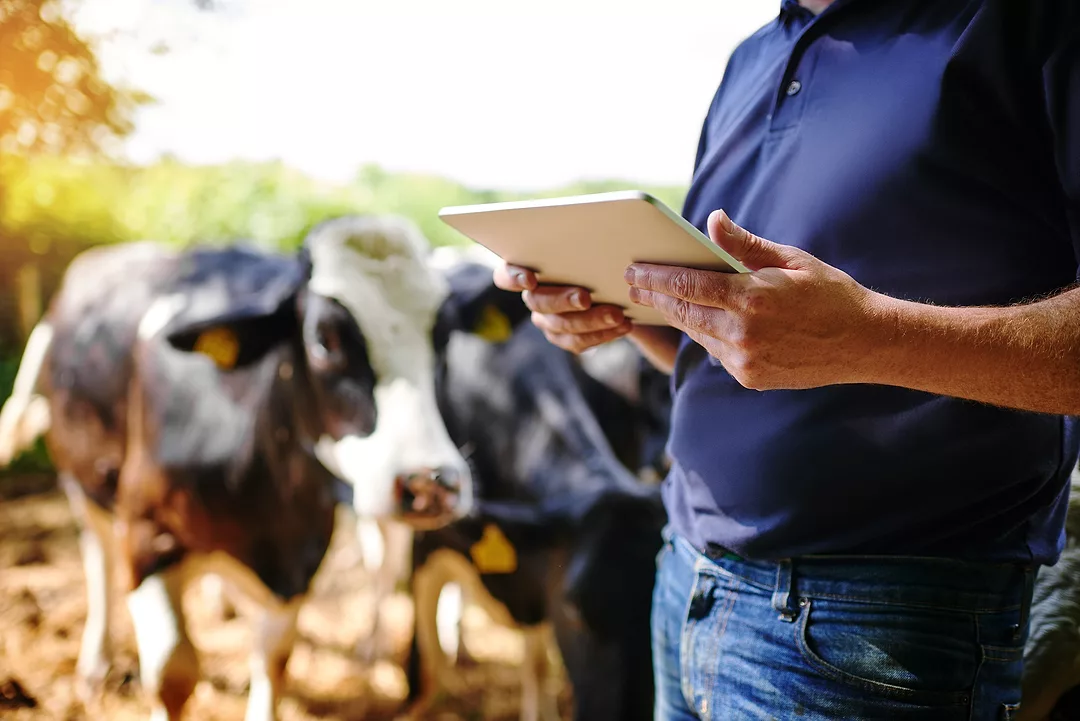
- Autonomous tractors. While dairy farms have been enjoying the progression of automated milking systems, another keystone piece of machinery in agriculture is getting an automation upgrade: the tractor. Fully autonomous tractors are on farms, being tested on both row and specialty crops. Dairies have access to the only fully autonomous tractor that’s on the commercial market enabling automated feed pushing in machinery that also works as a compact tractor. Electrification brings fuel savings and, as a smart platform, it collects operational data for enhanced reporting.
- Off-road software-defined vehicles and machinery. A software-defined vehicle (SDV) is a machine where software controls most of the vehicle’s core functions. Instead of relying solely on mechanical parts and manual updates, SDVs are intelligent, connected and continuously improving. With an off-road SDV or other type of software-defined machinery, improvements and even some repairs can be configured digitally and sent over-the-air. This means the machine can improve with new developments and better functionality even after the purchase date without the need for an owner to go to the dealership or schedule an in-person visit. Another feature of SDVs and machinery is that it opens the door for real-life improvements and dialogue with the developer or manufacturer. These entities are in the position to encourage feedback and customer partnerships to enhance performance and develop improvements that better meet a farm’s distinct needs. This is a potentially valuable position for a dairy.
Success strategy
An extensive assessment of how an ag tech product will be integrated into a dairy’s comprehensive operational system is key for optimal implementation. There’s another element involved: that of mindset.
New technologies come with early-adopter, first-in-market advantages. For the benefits to be fully realized, they also require farms with a willingness to understand and work with the associated challenges and gains that come with new technologies. Researching an ag tech company to understand how it services and supports its customers in their adoption and deployment journey is a good way to mitigate risk and enjoy both the profits and peace of mind that come with successfully investing in a farm and farm family’s livelihood. These are returns that amplify through a dairy, community, stakeholders, all the way up to the global food network.
Karen Marley provided this article on behalf of Monarch Tractor.
References omitted but are available upon request by sending an email to the editor.