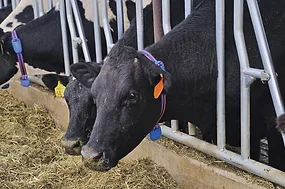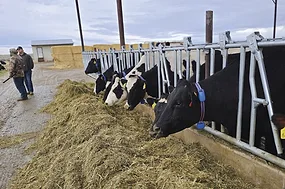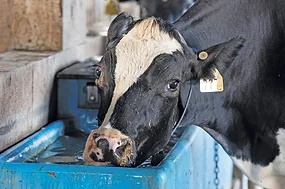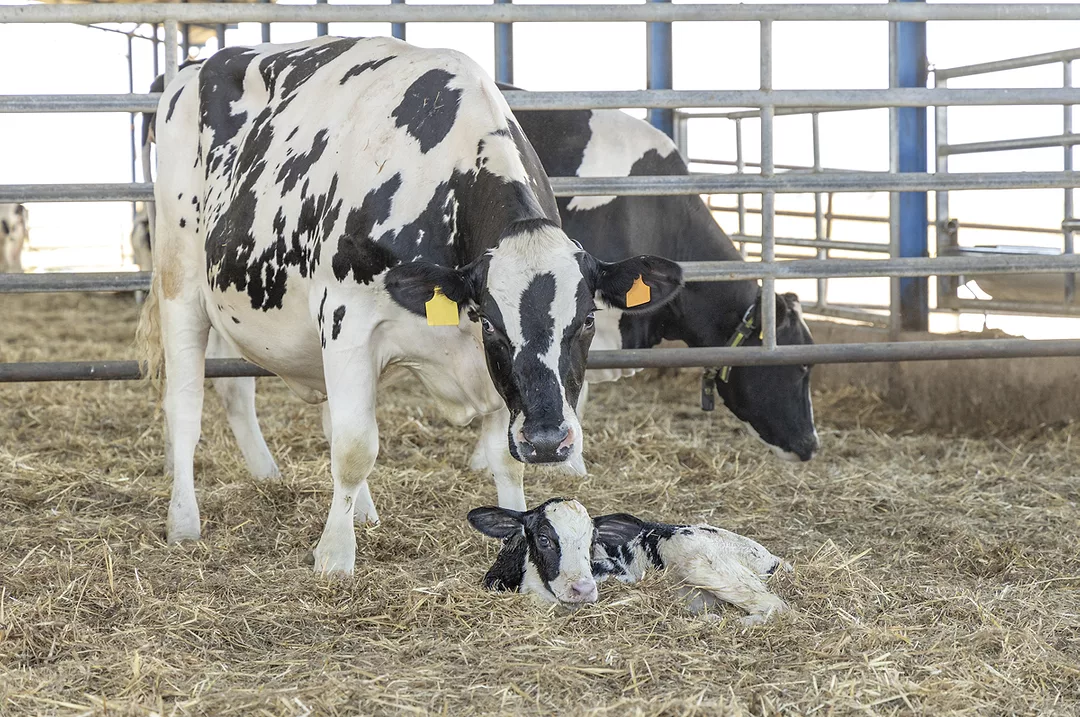
The transition period is an important period in the cow’s productive life that is very demanding. During this period, it is crucial that your cow receives a well-balanced ration to get the important nutrients and minerals such as calcium, magnesium and phosphorus, as well as energy. In addition, attention should be given to a stress-free environment that allows for movement and access to water. Cows that benefit from proper transition management will have a better calving process and a better start of production.

Fertile animals are essential for a dairy farm. The cow’s uterus goes through a process of restoration before being able to restart the reproductive cycle. A healthy uterus positively influences fertility parameters, meaning that good fertility is crucial for economic results as well as being an indicator of the health and welfare of each cow.
Shedding of placental membranes
Shedding of the placental membrane and uterine restoration are important processes in dairy cows after calving. These processes play a crucial role in ensuring the cow's reproductive health and ability to return to productive cycles. The shedding of the placental membranes is a process that occurs after calving, and the placenta should naturally detach from the uterine wall within six to 12 hours.
The shedding of the placental membrane involves the breakdown of the cotyledon-caruncle attachment, which is the attachment between the placenta and the uterine lining; this process is done mainly by immune cells. If the placenta is not expelled within 24 hours after calving, it means that we have a disorder called "retained placenta.” It is known that around the parturition time, the cows have their immune system depressed. Therefore, retained placenta is a serious concern because it can lead to infections, prolonged uterine inflammation and a delay in the cow's return to estrus.
Cases of retained placenta can be influenced by:
- Dystocia (difficult calving)
- Nutritional deficiencies (especially vitamin E and selenium)
- Infections or diseases (e.g., mastitis, metritis)
- Stress or hormonal imbalances (e.g., prolonged labor or insufficient levels of prolactin).
Uterine involution
Uterine involution refers to the process through which the uterus returns to its normal size, shape and function after calving. This process involves uterine contractions, physical shrinkage, necrosis and sloughing of the caruncles, and regeneration of the endometrium. It typically takes around 30 to 45 days, though it can vary depending on factors like the cow's health, parity and nutrition.
Steps in uterine involution
- Uterine contraction: The uterus shrinks back to its pre-pregnancy size and the uterine wall thickens.
- Resolution of inflammation: Any inflammation or infection in the uterus, like metritis, must resolve for proper uterine restoration. The normal lochia (postpartum discharge) also clears during this time.
- Repair of endometrium: The endometrial lining heals and the uterine tissue undergoes repair to be ready for the next pregnancy.
Factors influencing uterine involution
- Nutritional status: Adequate nutrition is crucial for proper healing. High-energy diets can improve the cow's overall health and speed up uterine recovery.
- Infections: Uterine infections (metritis, endometritis) can delay involution and hinder reproductive performance. Prompt treatment with antibiotics or other therapies is vital to resolve infections.
- Hormonal balance: Hormonal imbalances can also affect uterine restoration, and cows with low levels of estrogen or progesterone may have longer involution periods.
- Health monitoring: Regular checks for signs of uterine infections or abnormalities (such as abnormal discharge, fever or prolonged bleeding) should be made to ensure proper recovery.
Ensuring a proper uterine involution and preventing retained placenta
Proper postpartum care is essential for dairy cows to ensure they return to full reproductive health quickly. The most commonly used methods for the prevention of metabolic disorders in cows are all the methods farmers use to eliminate and minimize various potential etiological cause such as:
- Nutrition: Provide adequate energy, protein and vitamins (especially vitamin E and selenium, which are essential for placental health).
- Monitoring for retained placenta: Early detection of retained placenta allows for timely intervention, preventing further complications.
- Infection control: Keep the environment clean and monitor for signs of infection in the uterus. Metritis and endometritis are common postpartum issues.
- Minimizing stress: Reducing stress can help the cow recover faster and more effectively. This includes managing calving conditions and providing proper cow comfort.
- Veterinary support: Veterinary intervention might be necessary for cases of retained placenta, uterine infections or other complications.
Shedding of the placental membrane and uterine restoration are interconnected aspects of postpartum recovery in dairy cows. By closely monitoring the cow's condition after calving, ensuring proper nutrition pre- and post-calving and providing timely medical attention when necessary, you can help promote the cow's swift recovery, reduce the risk of infections and improve fertility for future breeding.
References omitted but are available upon request by sending an email to the editor.