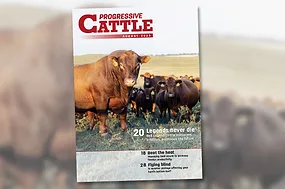
As temperatures continue to drop and winter sets in, cattle face harsh weather, which can compromise their health and productivity. Cold stress, wet conditions and fluctuating nutrition demands all contribute to weakened immune systems, making biosecurity more critical than ever.

Winter stress occurs when cattle are exposed to cold, wind and moisture without adequate shelter or nutrition. Cattle do develop a thicker coat as the days grow colder, but even this only provides protection to a point. Most mature animals, with a proper thick winter coat that is dry, can endure windchill temperatures of minus 5ºF with minimal ill effects. Environmental pressures like wind and moisture can suppress immune function, leaving animals more susceptible to respiratory diseases, scours and other infections.
Minimize the stress put on your animals by providing some kind of windbreak. This can come in a variety of types from man-made barns, a lean-to and wind fences. An established line of trees, large shrubs or other natural structures can also serve as shelter.
The amount of energy needed to satisfy maintenance requirements of the animals also needs to be increased. A basic rule to follow is to increase the energy requirements by 1% for every degree below the lower critical temperature (32ºF – without windchill – for a normal winter coat, and 19ºF for a heavy winter coat). Energy must increase so that animals can keep warm without losing condition, which can cause other harmful effects. Ensure water troughs are insulated or heated to prevent freezing.
To protect your herd against introduced diseases, implement some isolation protocols. New arrivals or sick animals should be quarantined for 20 days (if possible) to prevent disease transmission. Maintain clean feeding areas and water sources, as frozen or contaminated water can lead to dehydration and illness. Regularly remove manure and wet bedding, when possible, to reduce pathogen load.
Limit visitor access to your operation and require clean boots and clothing to prevent outside contamination. Ensure vaccinations are current, and monitor animals closely for early signs of illness, including coughing, nasal discharge or lethargy. Developing a winter biosecurity plan can save time, money and stress. Work with your veterinarian to assess risks and establish protocols tailored to your operation.
Winter stress doesn’t have to mean compromised health. By implementing proactive winter protection from the elements and biosecurity measures, producers can minimize disease risk and maintain productivity through the cold months.