In order to be an excellent cattleman, you need to be a good forage grower. The early season is a good time to check in on the results of the forage management choices you made last fall and assess what you want to change for next year.
The priority this early in summer is to set pastures up for a successful growing season. Greg Brann, a grazing consultant from Adolphus, Kentucky recommends giving grass a head start before turning out cattle.
“We’re setting ourselves up for the whole year, so it’s important not to graze too soon or let forage get too short,” says Brann. “I wait to start grazing until the grass is at least six inches tall. Six inches is the perfect height for the animal if we have consistent growing conditions.”
In Brann’s opinion, the best start to the season happened last fall when you left a few paddocks with six-inch grass over winter.
“In that case, you’d have some older grass with higher fiber that can slow down the rate of passage of the fresh, new grass through the animal and allow them to absorb more nutrients,” Brann says.
The tops of grasses are the most tender and nutritious part of the plant because grass grows at the tip. When grass is growing quickly, as it tends to do in May, Brann uses a “top-third” grazing strategy. He lets cattle graze the top third of the available forage and then moves them to the next paddock to provide consistent access to the best quality forage.
Keep pace with forage growth
To keep up with forage in the early season when it is in its fastest growth phase, you might need to increase stocking density. If you have a pasture full of high-quality forage, but it takes cattle six months to graze it, that’s wasted quality. In that situation, it would be better to graze more cattle for less time in a smaller space to maximize the nutritional value of the forage.
“Strip grazing is the easiest way to graze cattle at higher densities to manage forage height,” says Brann. “Give cattle a narrow strip, let them eat it down, then move them before they over-graze. It’s one of the most common and effective ways to manage pasture.”
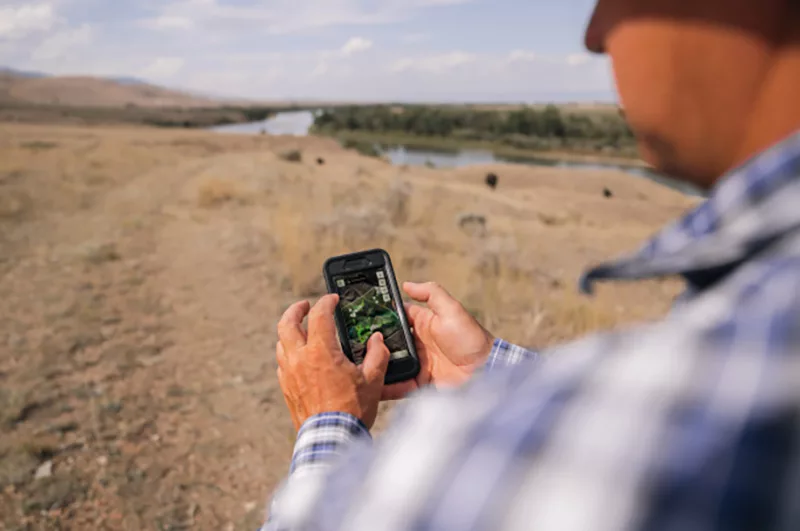
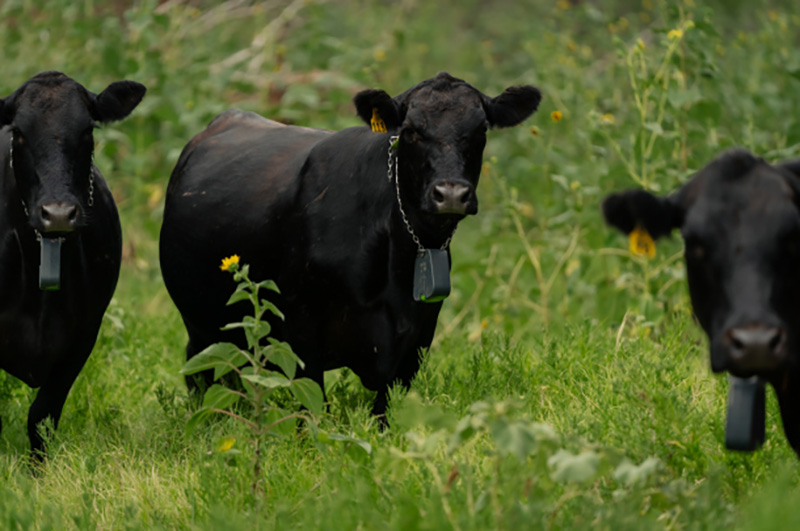
Brann can make swift, efficient changes to stocking densities and move cattle to manage forage height because he uses virtual fencing to manage his livestock and forage. Virtual fencing is a tool that allows producers to manage where cattle graze without the use of physical fences. The Nofence system uses GPS-enabled collars that deliver sound cues when an animal approaches a boundary the producer sets using an app on their phone or a platform on their computer.
Observing cattle behavior is a good way to learn the ideal pace to move cattle and how much space they need as conditions change during the season, says Brann.
“The best way to use pasture is to allocate it like you would a feed bunk,” Brann said. “Let the animals line up and graze, not trample or leave manure all over the paddock. It’s time for another allocation when cattle stop grazing or lie down. Keep an eye on the rumen, which you can see directly in front of the left hip bone. “The ideal state is level or slightly bulging. If it looks sunken, that means cattle are not getting enough feed and need bigger paddocks.”
Meet individual needs within the herd
Early-season forage is higher in protein, which is ideal for putting muscle on growing calves. Virtual fencing works well to make the most of forage quality when grazing cow/calf pairs. The cow wears the virtual fencing collar, and the calf stays nearby, grazing slightly ahead of her to reach the best quality forage.
As forage matures, it increases in quantity but typically loses some nutritional value. Plants get bigger, and fiber increases while crude protein decreases. On a pasture with lower-quality forage, reducing stocking density can maintain calf gains by allowing each calf to access more of the quality forage available. Even on pastures with reduced quality, it’s possible to get more pounds at weaning by reducing the stocking rate.
Virtual fencing empowers you to move cattle based on the growth phase of forage and the herd’s nutritional needs, as opposed to moving cattle when it fits into your busy schedule. By breaking up a large pasture into smaller paddocks using virtual fencing, you can move cattle as often as you need to keep them on the highest quality forage while avoiding overgrazing. The results can be larger calves or cows that breed back without delay because they have access to higher-quality forage more consistently.
In addition to eliminating time as a factor from moving cattle, virtual fencing also eliminates the time spent pulling or repairing fence. The system can notify you if an animal’s activity changes, and you can always see where your cattle are, and you never have to waste time looking for them. The time saved, and the peace of mind, can give you the headspace to become a better forage manager or a better herd manager by using your time differently and paying attention to things you couldn’t focus on before.
See virtual fencing in action on other U.S. livestock operations.
Written by Alayna Gerhardt-Crile, PhD and PAS, Nofence grazing specialist & inside sales