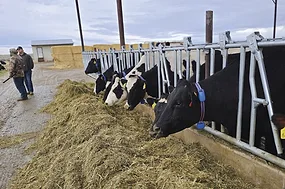
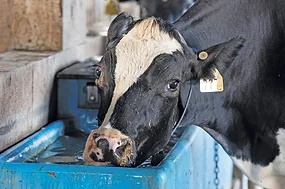
With the recent investments in dairy processing capacity in New York, demand for milk will increase. This may prompt dairy owners to consider herd growth, and advanced planning is critical for this to be successful. Expanding the herd through internal growth is the safest option, but takes a long time, and farms might miss out on economic opportunity in the meantime.

Management strategies that lead to extra home-raised heifers include:
- Breeding policies that shift more breeding to sexed heifer semen and fewer breedings with beef sires.
- Optimized reproductive efficiency for both the milking and the replacement herds.
- Replacement herd management that results in minimal calf health issues, optimal ADG, and a heifer breeding program that makes it a priority to inseminate as soon as sexual maturity is reached.
Dairies that are looking to increase herd size more rapidly by purchasing animals should use strategies to reduce the risk of bringing in health issues with them. Include biosecurity practices in the herd growth plans to help protect the existing herd and newly acquired cattle.
SOURCING NEW CATTLE
Many contagious diseases can have significant negative health effects on the herd: BVDV, Mycobacterium avium subspecies paratuberculosis (MAP), Mycoplasma bovis and Staph aureus mastitis, H5N1 (HPAI), Salmonella dublin, digital dermatitis, and Bovine Respiratory Disease Complex, to name a few.
Source animals privately from as few farms as possible. If available, evaluate somatic cell history and milk culture results from the animals being considered for purchase. Review recent bulk tank SCC reports and culture results for contagious mastitis pathogens, including Mycoplasma. Bulk tank milk can also be tested for the presence of BVDV and Salmonella dublin in the herd. Any purchased non-lactating animal should have all four quarters cultured when they calve in and be kept separate from the existing milking herd until their results are known. If any purchased animals were pregnant on arrival, test their calves for BVDV when born.
The dairy industry is still dealing with HPAI. Farms purchasing animals from out of state will need to follow interstate transport requirements to help keep H5N1 out of N.Y. Consider diagnostic testing even if not required by federal and state animal health officials. Source animals from dairies that participate in the HPAI Dairy Herd Status Program and have achieved Monitored Unaffected status. Another option is to have a negative influenza A milk (for lactating cows) or nasal swab (non-lactating animals) test for each animal no more than seven days prior to leaving the farm of origin.
PROTECT THE EXISTING HERD
Review the vaccination protocol to make sure it provides sufficient protection against diseases that could enter when new animals arrive. Vaccines are included in a herd protocol based on risk. Adding new animals to the herd is considered high risk from a health perspective and may change which vaccines the farm’s veterinarian recommends. Also, make sure farm employees are following the written vaccine protocol, as this is a common area for procedural drift.
Operate an effective 30-day quarantine for new animals upon arrival. A separate barn is preferred as it helps prevent aerosol transmission of pathogens. If this is not possible, a dedicated pen in the barn with sufficient separation from the other pens to prevent nose-to-nose contact can limit the spread of disease. If purchased cows cannot be milked in a separate facility, these cows should go to the parlor at the end of each milking, with a full system wash to follow. Practice heightened biosecurity protocols when managing this group of animals. Assume new animals have all the contagious diseases until their diagnostic test results are known and they have completed the full 30-day quarantine.
SET NEW ANIMALS UP FOR SUCCESS
New facilities will likely be needed to house the expanded herd. Pen counts that lead to insufficient cow resting time, limited access to the feedbunk, and excessive standing in the holding area while waiting to be milked will negate some or all of the additional milk resulting from more milking cows. An agricultural engineer, or another advisor with animal housing experience, can help farms site and design new facilities with all the latest features that promote good health and optimum performance.
It is important to help newly purchased animals transition to the new facility successfully. This begins with pre-conditioning if possible. Vaccinations given at least three weeks prior to shipment can help prevent illnesses, like respiratory disease. Make sure the trailer is cleaned prior to loading. New animals are especially at risk of illness due to the immune suppression associated with transport stress. Monitor new animals for health problems for the first few weeks as this is when they are most likely to break with disease. Finally, to bring the new cattle up to speed with the rest of the herd, the farm’s veterinarian can recommend an “onboarding” vaccine program.
CONCLUSION
This is an exciting time for the New York dairy industry. Farms with growth in their short-term plan should consider strategies that minimize health risks to increase their odds of success. The farm’s veterinarian is a valuable resource to reduce herd health risks associated with herd expansion.
 |
This article appeared in PRO-DAIRY's The Manager in November 2025. To learn more about Cornell CALS PRO-DAIRY, visit PRO-DAIRY. |