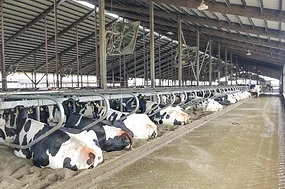
The largest operating cost on all farms is feed, and one of the most influential variables going into feed cost and management is shrink. Whether it is shrink from spoilage, overfeeding, mixing errors or simply poor environmental conditions, it represents feed that is purchased but never consumed by the cow.

While shrink is widely acknowledged as an unavoidable part of doing business, it is rarely measured with a high degree of accuracy. The accountant’s feed cost sure does not seem to match the nutritionist's, and neither usually match the feed management software, so is anyone right? In most cases, these discrepancies are not the result of a single mistake but rather an imperfect system. Managing the degree of error within that system may be the key to predicting true feed cost more accurately.
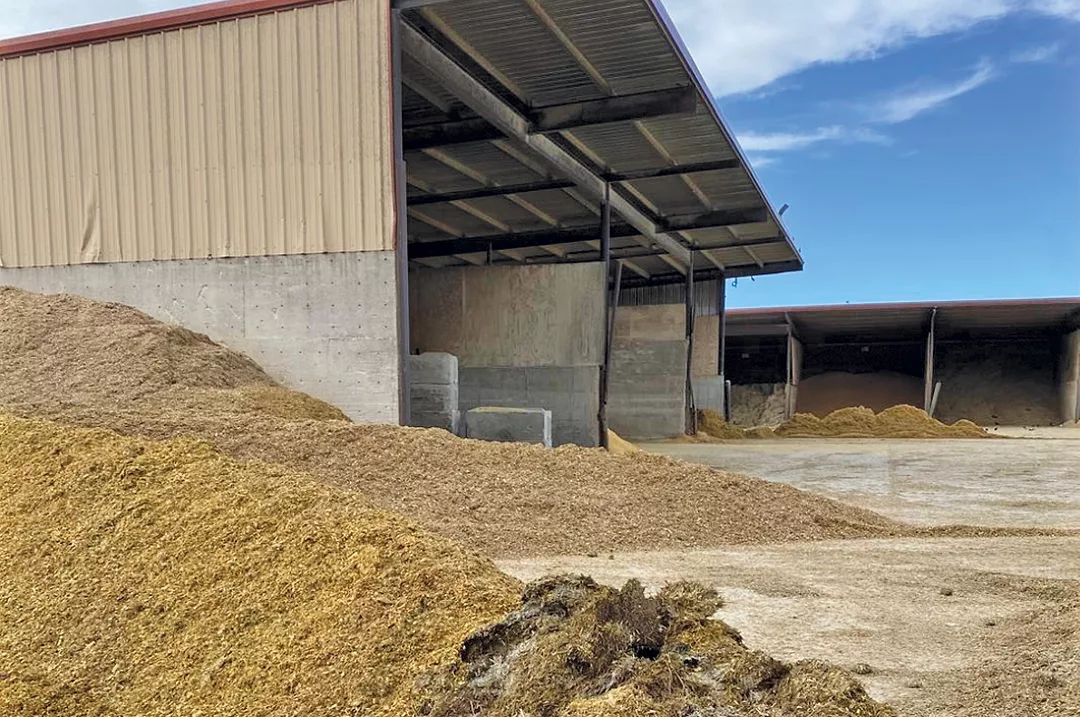
Shrink originates from a range of factors, both environmental and managerial. Historically shrink from wind, spoilage and refusals is usually what is calculated or at a minimum considered when discussing feed cost and management. Every farm approaches these challenges slightly differently, but there is a strong case that tracking these metrics more precisely would pay dividends. In the High Plains, it is well known that the wind will blow, but looking at management decisions to limit the effect could save money. The expensive fats and minerals are the most obvious dusty commodities to see the effects of a windy day, but there are several other byproducts that are often overlooked. Fine-textured protein sources, mineral blends and additives can all be lost in small amounts that add up quickly over time. Reevaluating ingredient form, such as switching to liquid minerals or using premixes to improve inclusion accuracy, may reduce shrink while also improving ration consistency.
Silage spoilage presents a particularly complex challenge. Limiting spoilage requires proactive management, yet deciding on an appropriate pitch-off strategy often comes down to comparing the cost of discarded feed with the potential production loss from feeding marginal material. Although almost everyone agrees that there is a cost associated with spoilage, spending the money upfront to mitigate it is a big pill to swallow. Yet spoilage represents a triple loss: the cost of feed that is thrown away, the lost opportunity to maintain consistent dry matter intake and an increased risk of health issues caused by feed spoilage.
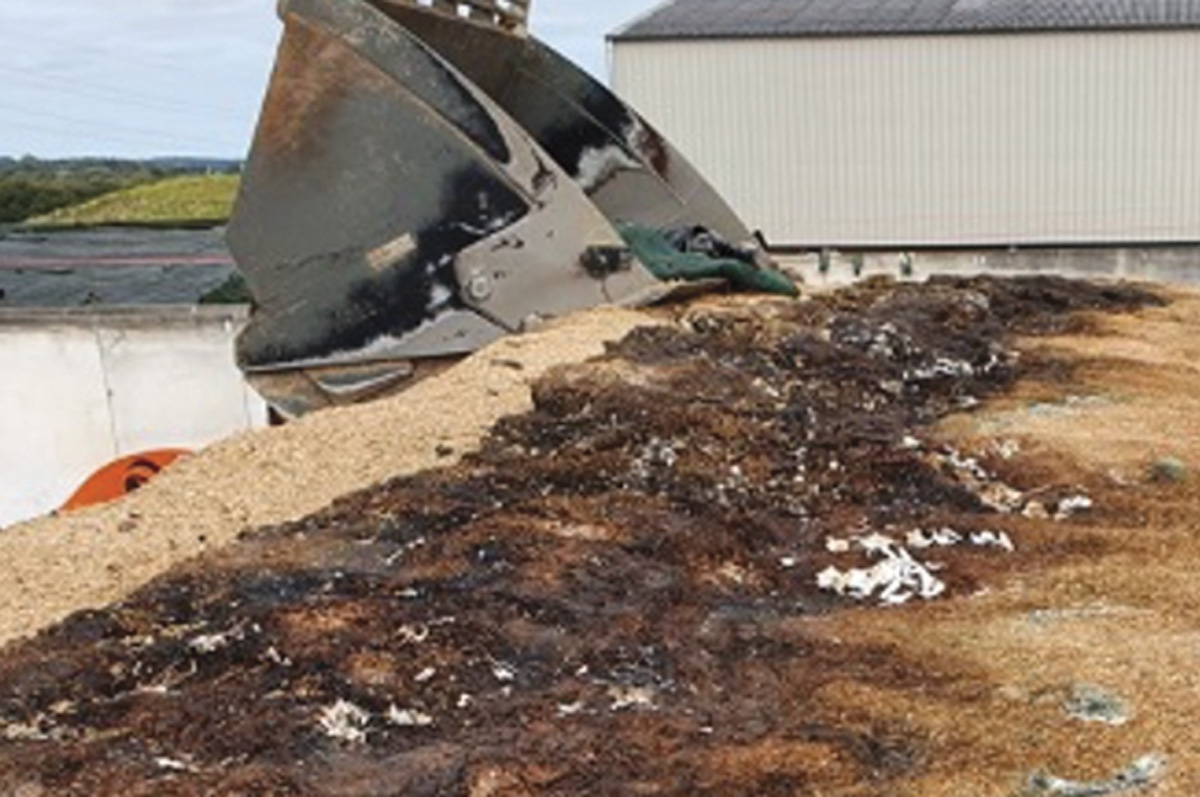
Spoilage represents a triple loss: the cost of feed that is thrown away, the lost opportunity to maintain consistent dry matter intake and an increased risk of health issues caused by feed spoilage. Image provided by Macey Brown.
Refusals raise similar questions: Should they be counted, weighed or fed again? In an ideal scenario, refusals would be weighed back consistently, building a high-quality historical dataset of feeding records. In practice, this requires time, labor and discipline, and the value of that data is not always immediately apparent. However, accurate refusal data plays a critical role in understanding true dry matter intake. Without it, opportunities to enhance feed efficiency, reduce overfeeding and fine-tune nutrient delivery are often missed.
Feed management software systems have made great strides in the usability of the data they store, but their value depends entirely on the accuracy of the data entered. This might be the biggest hurdle in terms of decreasing shrink and consequently feed cost. Relying on visual estimates or eyeballing inventory introduces an error rate that is difficult to quantify but likely very costly. Over time, these errors distort feed cost calculations, complicate purchasing decisions and mask true shrink levels. Accurate inventory weights not only improve feed cost management but also enhance overall inventory control, purchasing efficiency and cash flow planning.
One of the most common conversations we have regarding feed management systems is how to account for mixing errors. What is an acceptable amount of error? Is it the feeder or the system? Does it even matter? Mixing errors cost the farm in more than one way. Clearly, over-adding ingredients directly increases the cost of the ration. More indirectly, mixing errors cause deviations from the balanced ration with specific production, reproduction and overall health goals. Mixing errors present inventory management challenges as well. While some mixing errors could be resolved with simply slowing the feeder down, scales and technology systems are far from perfect. On the surface, this appears to be an easy fix; calibrate the scales and select a system that supports optimal feeder performance. However, once trust in a system is lost, it can be difficult to rebuild. Despite the significant potential of available technology, working through system errors requires time, and the temptation to revert to "close enough" methods is strong. Yet even well-informed estimates may be costing operations thousands of dollars as herd sizes grow and feed prices rise. At some point, the time and effort it takes to make system changes will be worth it even if shrink is just reduced by only 1 to 2 percentage points.
Reevaluating the cost of shrink is one of the simplest places to start when looking for ration cost-saving opportunities. Straightforward changes such as adjusting refusal targets, calibrating scales, improving silage face management or refining ingredient handling procedures can deliver measurable returns. More importantly, understanding the true cost of shrink provides the information needed to justify broader changes in feed mixing procedures, tools and systems. In an industry where margins are increasingly tight, reducing shrink is not just about saving feed; it is about building a more accurate, consistent and profitable feeding program.