When Wyoming rancher and Ranching for Profit (RFP) instructor Melinda Sims talks about succession, she doesn’t begin with estate plans or legal documents. She starts with a caution: “Succession isn’t something that happens someday,” she tells producers. “It’s happening right now – whether you’re doing it well or not.”

With only 30% of agricultural operations successfully transitioning to the next generation, her message is clear: profitability, clarity and communication are essential. They determine whether the next generation will want – and be able – to inherit the ranch.
Sims explains that succession has two parts: asset succession and managerial succession, a distinction taught in the Ranching for Profit School. Asset succession includes wills, deeds, LLCs and legal documents.
“That’s the easy part,” says Sims. “Your attorneys and accountants can handle that.”
Managerial succession is harder. It’s the process of developing the next leaders who will run the business. Without it, a ranch may transfer on paper but fail in practice.
“If you don’t pass on the knowledge, the judgment, the decision-making – the business itself dies, even if the land doesn’t,” she adds.
To frame the conversation, Sims uses three concepts from the RFP approach: generation, wisdom and legacy. A generation is simply the next step in a line of descent. Wisdom is the blend of knowledge, experience and judgment that keeps a ranch functioning through droughts, markets and family dynamics. Legacy is not the property left behind, but the long-lasting impact of decisions made while alive.
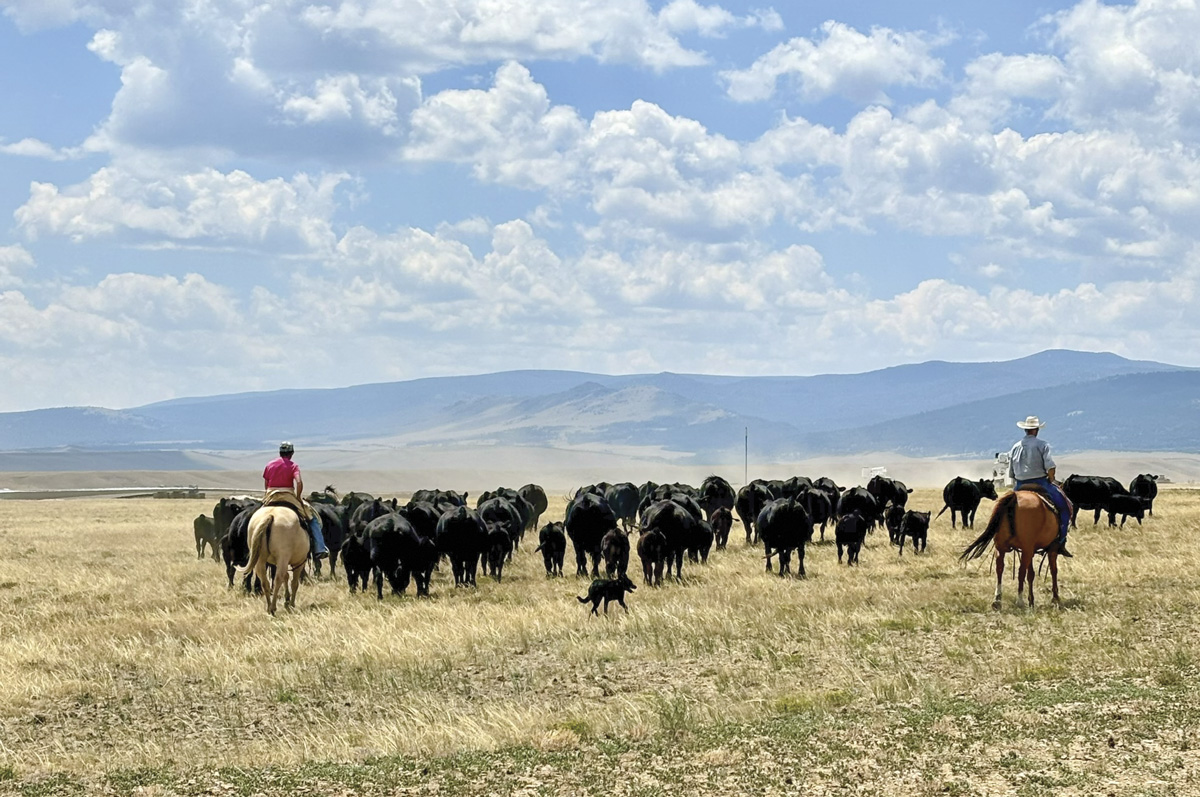
Ranchers drive cattle across a pasture at Sims Cattle Company in Wyoming. Image by Melinda Sims.
“Legacy isn’t a thing,” she says. “It’s the way your decisions shape the people who come after you.”
That’s why she urges families to consider how they are “romancing the next generation.”
“Are they showing a business with opportunity, purpose and financial stability – or one defined by exhaustion and stress? What reason are you giving them to want to come back?” she asks.
For her own family, long-view thinking is routine. When she and her husband purchased a modular home for the ranch, they chose it based on who would live there next, not their own wish list. That 200-year mindset guides decisions about infrastructure, genetics, grazing systems and labor – an example of how her family applies Ranching for Profit principles in their own business.
Even with good intentions, many transitions fail. Sims outlines four common reasons taught in the Ranching for Profit framework: not enough profit, poor communication and planning, lack of business knowledge and misaligned goals between generations. These failures are rarely about land or cattle.
“Succession fails because we don’t talk, we don’t plan, and we don’t treat ranching like the business it is.”
Profit, she emphasizes, is the foundation. It creates the capacity to focus on people, land and livestock – the other pillars of a healthy ranch. It also creates space for personal growth.
“Being profitable allows Sims Cattle Company to focus on other aspects of our vision, optimize time for personal growth and take risks,” says Sims, quoting her husband: “Live every day as an experiment.”
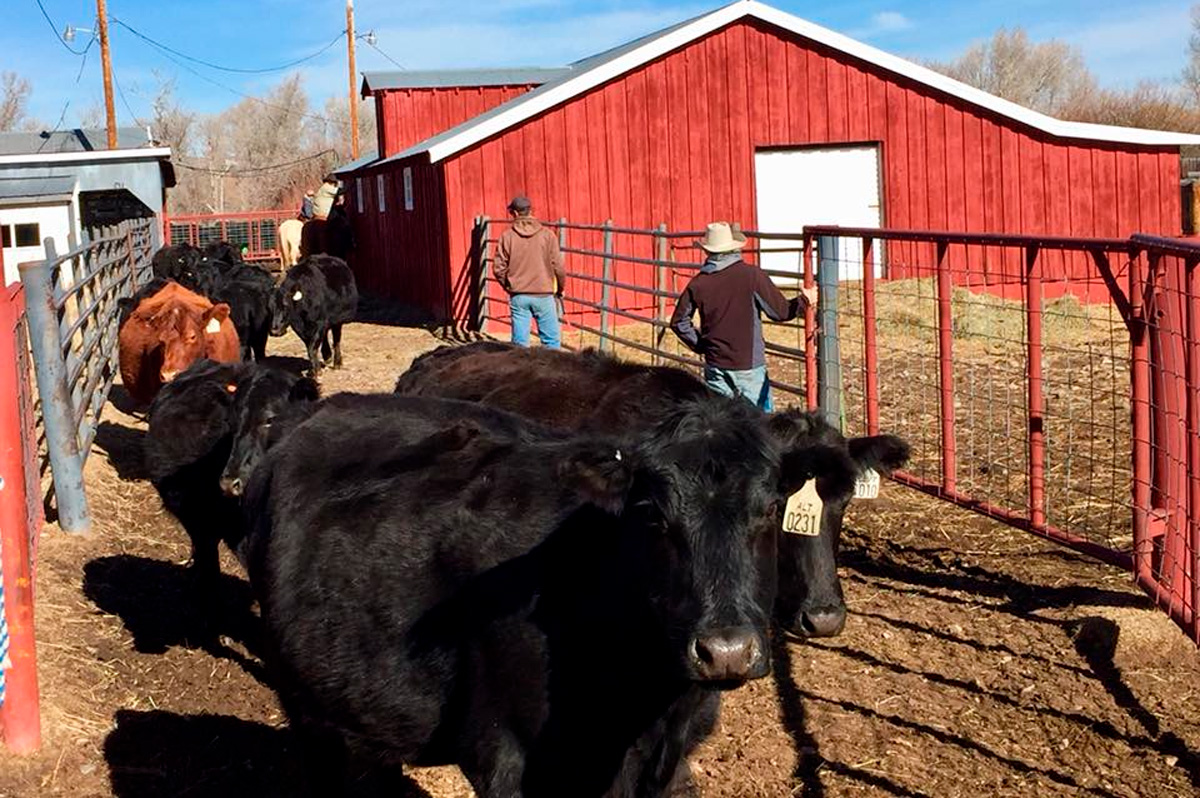
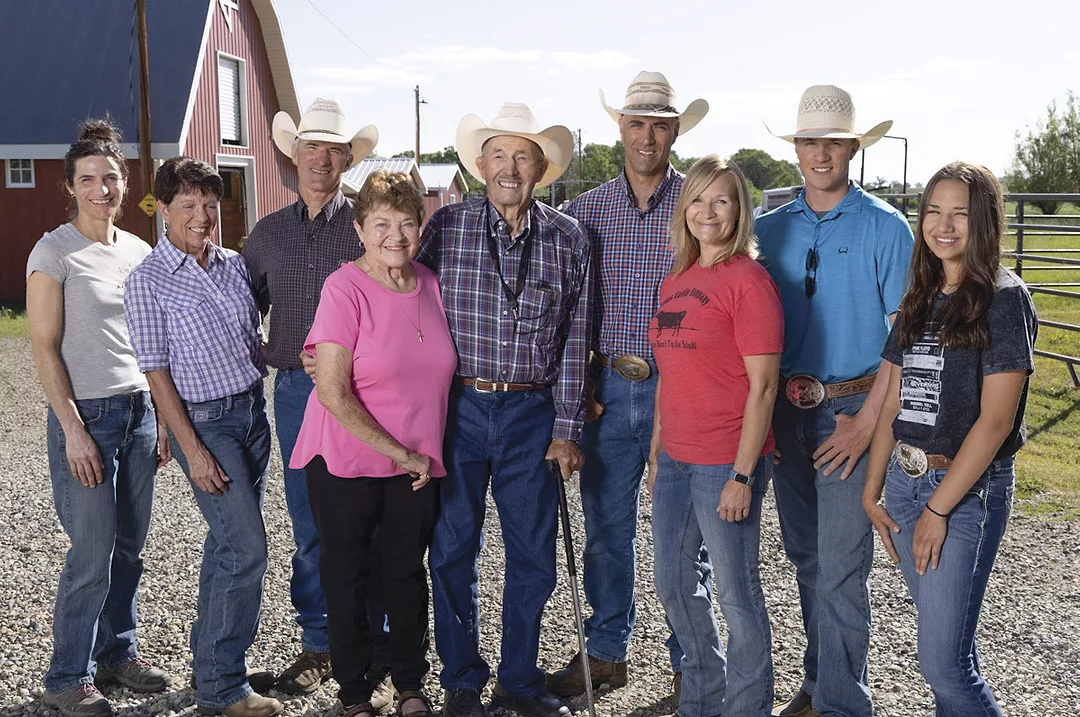
Three generations of the Sims family work together to sort cattle down the alley – an everyday task that reflects the family’s ranching legacy. Image by Melinda Sims.
Communication is the second pillar – and often the most uncomfortable. Families avoid talking about death, retirement, expectations and money, but silence breeds resentment.
“If nobody knows what you want, how do you expect them to carry it on?” asks Sims. “Parents owe their children two things – love and clarity – clarity is kindness. They may not like it – and that’s OK. They don’t have to like it, but they do need to know what’s going to happen.”
Clarity must support both asset and managerial succession. A ranch can’t function if land is divided in ways that undermine business decisions, and the next generation needs to know what role they’re stepping into.
“Don’t save it for your deathbed,” says Sims. “Work people into these roles. Give them the best chance to succeed.”
The third pillar is business knowledge – a skill set many ranchers were never taught.
“We all learned how to feed cattle, fix fence, run equipment,” she says. “But that’s not the same as running the business that feeds cattle, fixes fence and runs equipment.”
To illustrate the gap, she uses an organizational chart, a tool taught in Ranches For Profit to clarify roles and responsibilities. It identifies who owns which decisions – finances, human resources, production, marketing, daily operations.
“This tool helps you see where you have overlap, where you have gaps and where you need education,” says Sims.
At Sims Cattle Company, the organizational chart works like a planning tool. It helps the family picture how roles function and how they might shift as the operation grows. If they were to sketch it out, Shanon and his dad would show up as co‑owners and co‑CEOs – a reflection of how well they work together. Melinda might fall into the financial and people management side, while her husband would likely land in production and marketing. These aren’t locked‑in roles, just a snapshot of how things tend to flow right now.
When their son Kagan returned to the ranch, using the chart in this “what‑could‑this‑look‑like” way made it easier to see where he might start, where he could stretch and what skills would help him grow into leadership. In that sense, the chart becomes less about titles and more about imagining the road ahead.
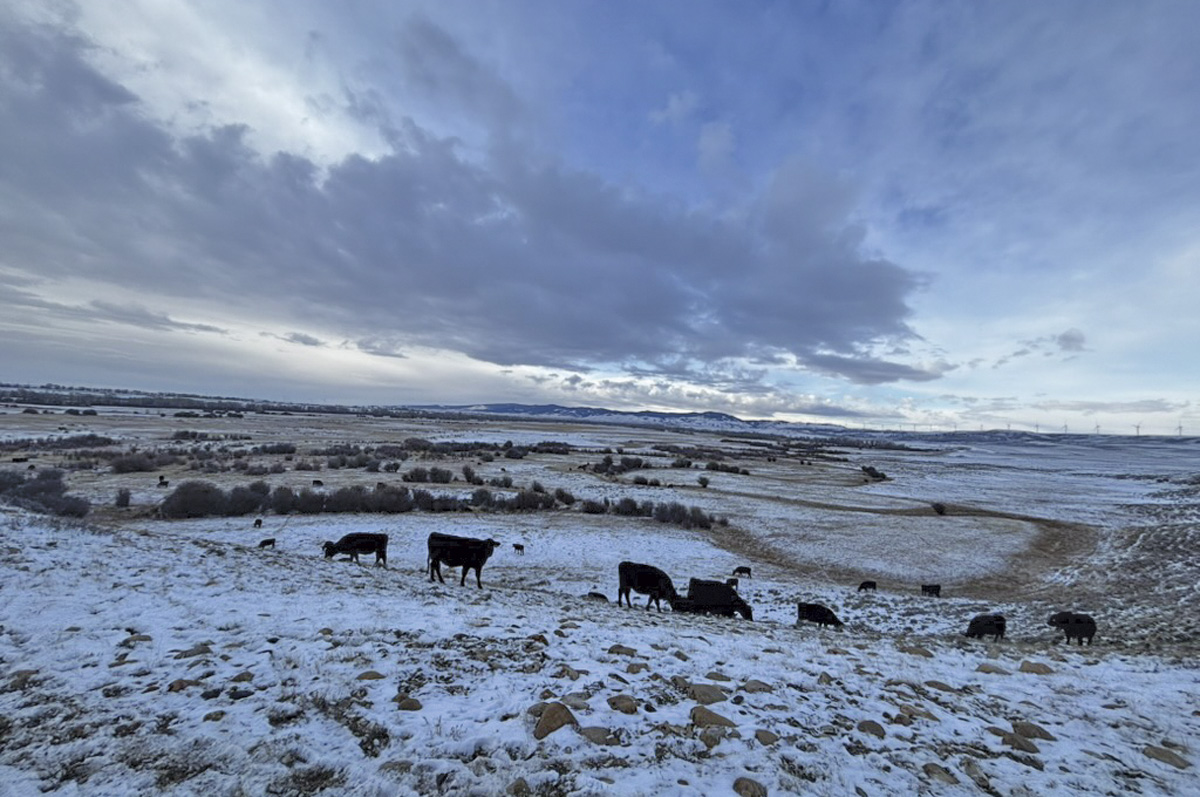
Cattle graze on a hillside at Sims Cattle Company in Wyoming. Image by Melinda Sims.
The final pillar – aligning goals and life stages – is often the most sensitive. A 22-year-old returning home has different priorities than a 47-year-old raising a family or a 75-year-old ready to step back.
“The key is acknowledging them openly,” says Sims.
And the responsibility doesn’t fall solely on the younger generation. The current generation must make the business attractive enough to return to – profitable, purposeful and structured.
“You do not owe your parents your future,” she says. “If the business is desirable and fulfilling, that’s wonderful. If it’s not, and something else calls to you, that’s wonderful, too.”
To keep people engaged, ranches must offer five things: profit, autonomy, mastery, purpose and contentment – a Ranches for Profit framework for building effective teams. Profit keeps the business viable. Autonomy gives people room to make decisions. Mastery taps into the desire to improve. Purpose connects daily work to something larger. Contentment – a grounded sense of gratitude – sustains people through challenges.
“We can’t control our kids’ happiness,” says Sims. “But we can help create an environment where contentment is possible.”
Ultimately, Sims believes succession isn’t about preserving the past – it’s about preparing for the future. It’s about building a ranch that can adapt, evolve and thrive long after the current generation is gone.
“We’re doing this now so that in 200 years, succession isn’t a crisis,” says Sims. “It’s just something that happens because the foundation is strong.”
Succession is not a moment – it’s a mindset. It’s the daily work of building a business profitable enough to endure, structured enough to function and meaningful enough that someone will want to carry it forward.
“Every generation deserves the chance to succeed,” she said. “Our job is to make that possible.”
With profit as the foundation, communication as the link, business knowledge as the framework and responsible leadership transitions as the guide, ranch families can build something far more enduring than a deed. They can build a legacy strong enough to support the next generation – and the next.
Living its mission: Sims Cattle Company is a family inspired business producing quality livestock for a healthy environment and creating opportunities for personal growth.
Concepts related to succession, profit, communication, business structure and leadership development are drawn from the Ranching for Profit framework and are used with appreciation for their work. The examples from Sims Cattle Company reflect how the family applies these principles in their own operation.
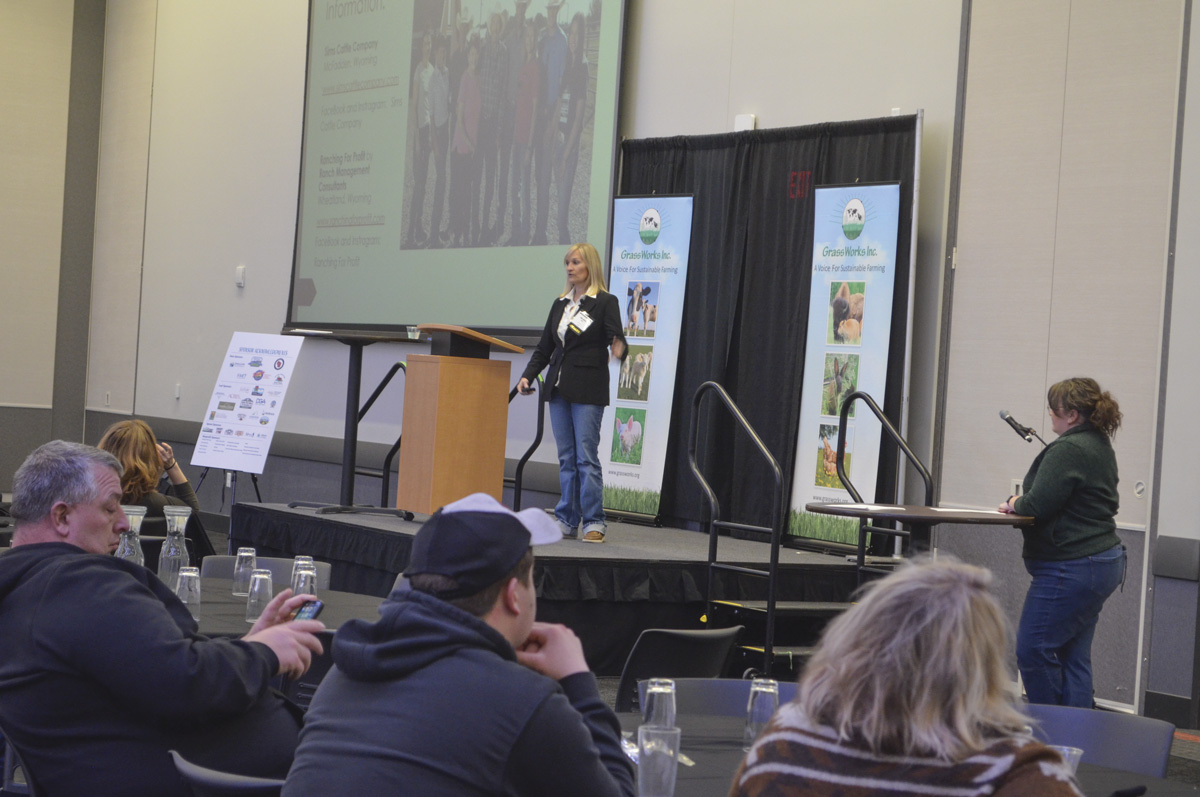
Melinda Sims presented at the GrassWorks Grazing Conference in La Crosse, Wisconsin. Image by Marian Viney.