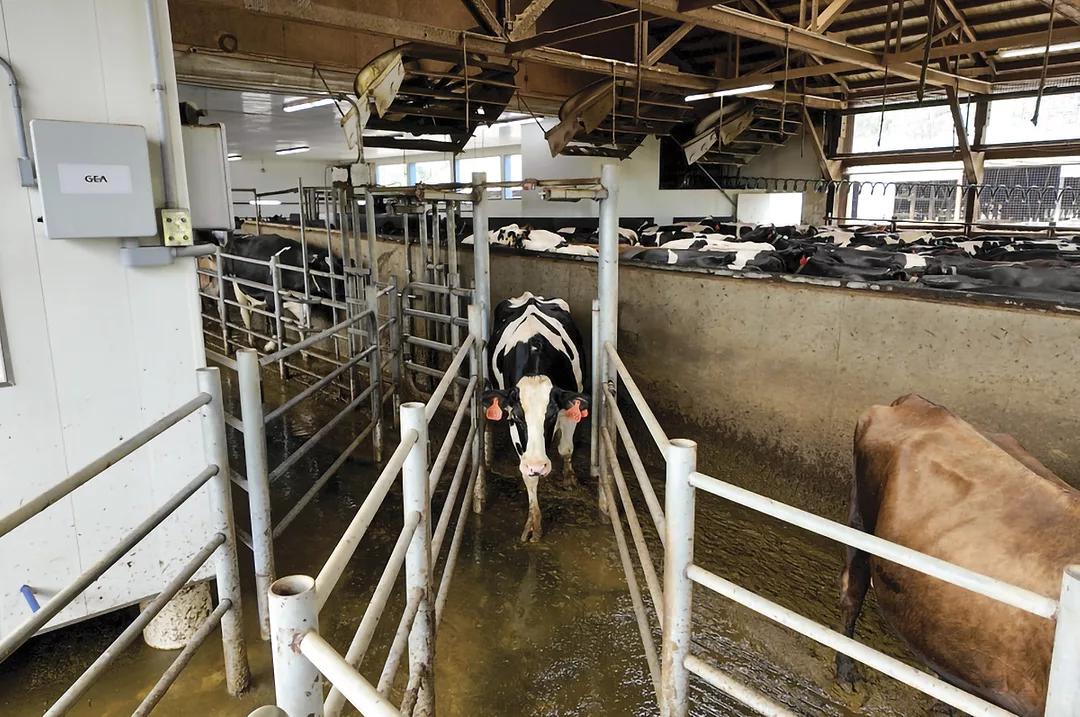
Sort gates are a powerful productivity tool. With proper planning, setup and care, they can ease labor demands, improve cow flow and simplify daily routines. But too often, sort gates fall short of their potential when service, strategy or support are treated as afterthoughts.


Sort gates require proper installation, regular maintenance and care to perform optimally and meet expected sort percentages. Even small adjustments – such as fine-tuning the antenna read range or resolving data integration issues – can significantly improve performance and cow management.
Common missteps that undercut performance
Sort gate success begins long before installation. Thoughtful planning of the overall layout and cow flow through the gates is crucial for successful sorting.
Lane width and gate placement have a greater impact on cow flow and sort accuracy than many realize. Lanes that are too narrow and poorly placed gates can disrupt animal movement and reduce accuracy. Long before installation, review plans with your dealer to verify that the sort gate and cow-flow layouts support long-term management goals.
Even small layout oversights can cause hesitation, slipping or crowding that disrupts flow and sorting accuracy. These include:
- Oversized committal lanes
- Slippery or uneven flooring
- Undersized holding areas
Likewise, improper gate layout or tight turns can slow cows and create unnecessary stress or bottlenecks.
Antennae and tag placement also play a big role, especially with eartags. Everyone places eartags differently. Tag position affects how the antenna reads them, directly impacting sort accuracy.
Don’t overlook the sort gate’s surrounding area, either. Cluttered cow exits, frequent human interference or footbaths placed too close to the gates can corrode components and interrupt cow flow. Keeping these areas clear supports smoother movement and more consistent sorting.
Proper training makes all the difference
One of the most common mistakes is treating a sort gate as a set-it-and-forget-it system. Like any precision tool, it needs consistent attention, but the day-to-day tasks are quick and easy to ensure it performs at its best.
Incorrect operation can disrupt cow flow and potentially injure cows or people. Designating a dedicated, trained employee to oversee the sort gate ensures accuracy, efficiency and safety. This individual does not need to be highly tech-savvy. The sort gate should become part of this employee’s daily routine.
This employee should:
- Know how to perform routine maintenance, such as cleaning photo eyes (if equipped) or doing a visual check to ensure bushings and the air cylinder are operating freely
- Maintain a good relationship with the dealer
- Understand cow behavior and employee safety around the gate
Often, farms face the greatest challenges due to inconsistent training and high turnover, which make it difficult to keep up with gate management. Documenting procedures and creating quick-reference checklists can make it easier to train new team members and maintain consistency.
Learning from long-term success
Some dairies have relied on sort gates for decades, proving that with the right support and care, these systems can stand the test of time.
For instance, in 2006, a Washington farmer installed a sort gate and activity monitors to reduce labor. When he built a new facility in 2020, he installed double-sort gates with two palpation rails – one for reproduction and one for herd management. He paired the sort gates with an updated monitoring system and eliminated headlocks. Today, the dairy achieves a 98% to 99% sort accuracy.
The activity monitoring collars, paired with upgraded sort-gate software, make it easy to handle reproduction and herd health management directly from the parlor. Doing so allows producers to focus on breeding and health tasks in a safe space and eliminates disruption of cows in the barn.
This farm is a perfect example of how sort gates paired with a monitoring system can streamline daily tasks, improve herd health and boost reproductive performance. It also highlights how proper setup, consistent maintenance and continued software updates keep the system running at its peak years later.
Get more from the gate you already have
Integrating sort gates with other technologies, such as a monitoring system or herd management software, helps you work smarter – not harder – with the system you already have. For example, you can import lists from your herd management software into your monitoring system, and the sort gate will automatically sort the cows off those lists at set times. This efficiency streamlines routine management tasks such as breeding, hoof trimming, vet checks and dry-offs.
Take advantage of your herd management software’s reporting tools to build custom sort lists based on your goals. Catching the right cows at the right time keeps the system efficient and labor light.
If your systems aren’t connected, talk with your dealer about integration options or software updates that can enable automated sorting. Even partial integration can reduce daily manual work and improve data accuracy.
Working with a skilled partner makes all the difference in gate performance, leading to greater cow flow and more effective management.
Ready to get more from your sort gate?
Behind every reliable sort gate is a strong service team. A proactive, responsive partner can prevent downtime, extend the system’s life, and keep your cows and team moving efficiently.
If you’re considering a sort gate, start the conversation with your local dealer early. Choosing a knowledgeable and experienced partner for installation and maintenance is crucial for long-term efficiency.
Look beyond hardware. Dealer support, remote diagnostics and ongoing training are just as critical as the equipment itself. Regular check-ins can prevent small issues from becoming major disruptions.
And if you already have one in place, make the most of it – a few simple adjustments, consistent care and expert support can turn a good system into a great one. Smart technology delivers its best results when backed by smart support, turning potential downtime into long-term peace of mind.