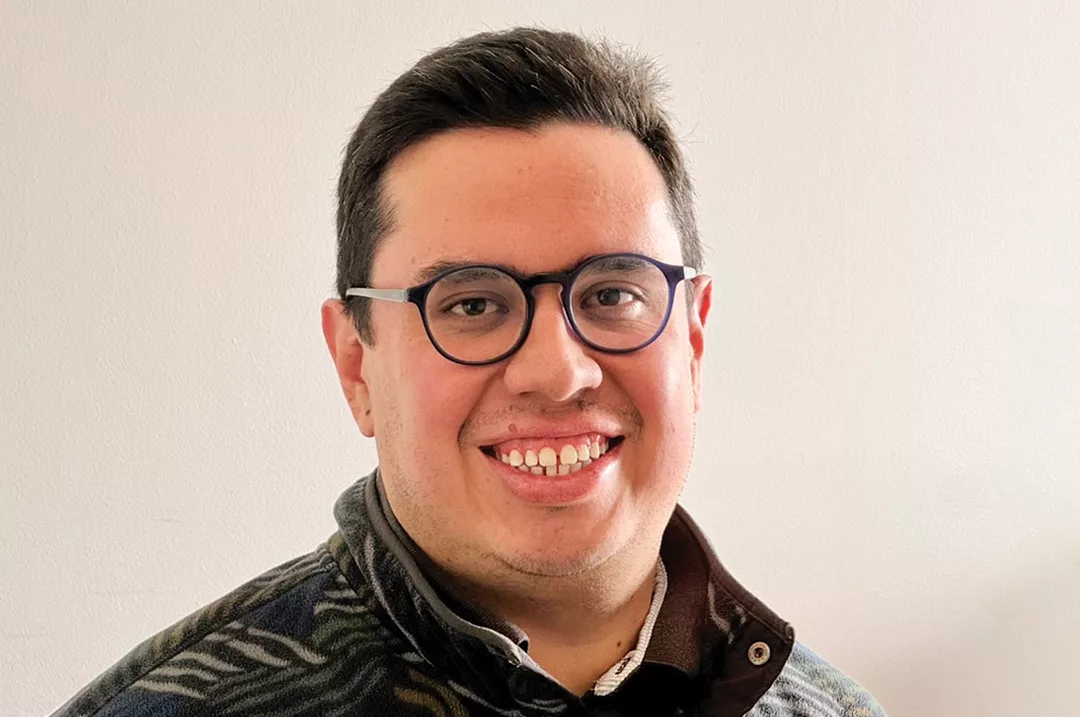
Camilo H. Parada Rojas has joined Cornell University as an assistant professor of field crops pathology with extension responsibilities. He grew up in Colombia and trained as a plant pathologist within the U.S. land-grant system, where he learned to approach disease management through research, extension, and direct engagement with growers.
His work focuses on diseases of major field crops in New York, with an emphasis on improving decision making under uncertainty. He studies how pathogen populations respond to host resistance, fungicides, and environmental pressure, and how those changes can be detected early at the population level. His program integrates field trials, pathogen genomics, and extension networks to connect genetic variation in pathogens with disease outcomes observed in real cropping systems.
A core goal of his work is early detection and risk-based management. By linking genotypes to phenotypes, his research supports stronger diagnostics and timely interventions within a growing season, rather than reactive responses after losses occur. He works closely with growers and extension professionals to ensure tools and recommendations reflect field realities.
At Cornell, his goal remains clear. Serve stakeholders by delivering reliable data, practical guidance, and disease management strategies grounded in field evidence and pathogen biology.
Learning about the predominant dairy forage and grain cropping systems in N.Y., what disease issues do you see as challenges?
I see major challenges with foliar diseases and toxin-producing rots. In corn silage systems, diseases such as gray leaf spot, northern corn leaf blight, tar spot, and southern rust threaten yield and forage quality. Stalk and ear rots caused by Fusarium and related fungi raise concerns because of mycotoxin contamination, which directly affects feed safety and animal health. These issues tie plant disease management directly to dairy system performance.
How will changing climate and weather patterns affect the type of diseases N.Y. field crop growers will need to be aware of?
Weather patterns have become increasingly unpredictable, and disease outcomes follow those patterns closely. Southern rust pressure in the Midwest during the past season provides a clear example of how weather drives unexpected disease severity. Similar scenarios will occur in N.Y. The state represents a unique testing ground because of its mix of climates, landscapes, and cropping systems. Predicting the next season remains difficult. My goal is to give growers early warning signals so they can make informed decisions. This includes improving how we detect pathogen emergence and spread within a growing season, rather than reacting after damage occurs.
What are you excited about, working in N.Y. agriculture?
N.Y. has strong integration between research, extension, and growers. Dairy systems create a direct link between field crop disease management and animal health outcomes. This structure supports recommendations grounded in agronomic data, economics, and risk assessment rather than single disease thresholds. I also value the challenge created by N.Y.’s diverse landscape, which includes forests, urban areas, and highly diverse agricultural systems. This complexity reflects where some regions of the country are heading. Lessons learned here will inform disease management beyond N.Y.
What is something from your past work that you can introduce to growers in N.Y.?
My past work centers on problem solving with growers. While working with the sweet potato industry in North Carolina, I supported growers dealing with an emerging pathogen under high uncertainty. That experience reinforced the importance of listening closely to growers, responding quickly, and adapting recommendations as new data emerged. Managing disease outbreaks requires trust, clear communication, and practical solutions under pressure. Those principles guide how I approach extension work.
Additional thoughts?
My lab will expand across multiple research areas, but the goal remains clear. I work to serve stakeholders. Research priorities, diagnostics, and decision tools must align with grower needs and on-farm realities.
Camilo H. Parada Rojas (cp738@cornell.edu) is an assistant professor, Cornell University School of Integrative Plant Science, Plant Pathology and Plant-Microbe Biology Section.
 |
This article appeared in PRO-DAIRY's The Manager in March 2026. To learn more about Cornell CALS PRO-DAIRY, visit PRO-DAIRY. |