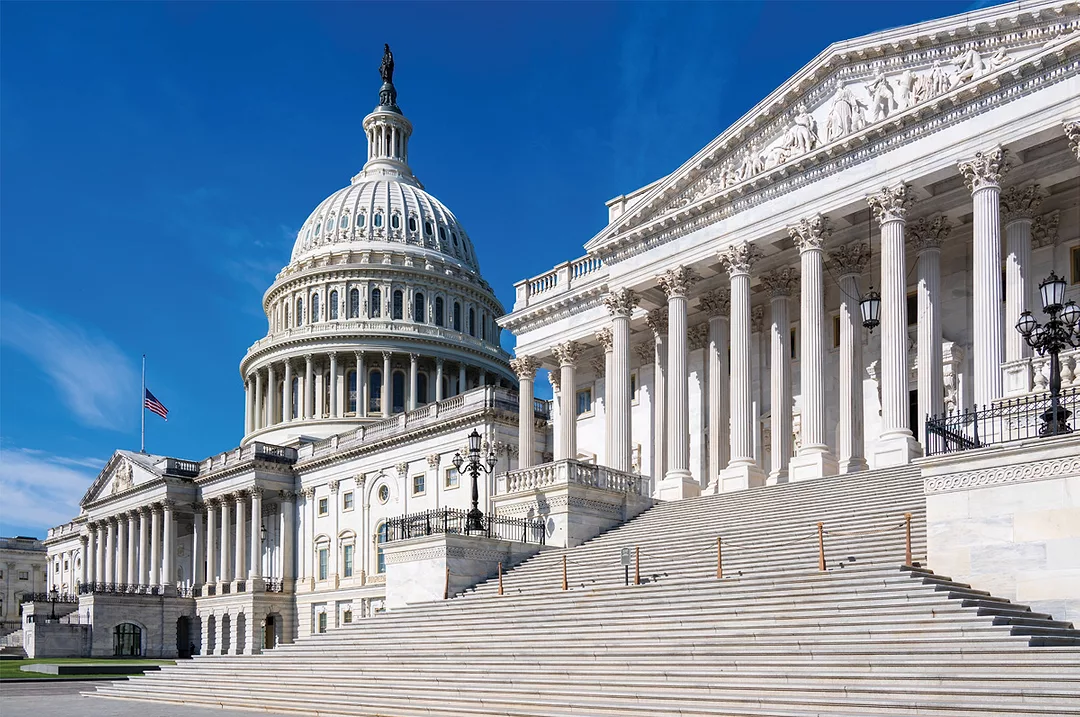
Early on the morning of March 5, after more than 20 hours of deliberation, the U.S. House of Representatives’ agriculture committee advanced the Farm, Food and National Security Act of 2026 – often referred to as Farm Bill 2.0 – to the House floor. The legislation passed through committee by a vote of 34-17, with seven Democrats supporting the Republican-backed bill. It now moves to the full House for consideration before the Senate starts working on its own farm bill proposal.

Farm Bill 2.0 would replace the 2018 farm bill that expired in 2023 and has been kept on life support via multiple temporary extensions. Some provisions historically covered by a farm bill were included in last year’s One Big Beautiful Bill Act (OBBBA), including reforms to the Supplemental Nutrition Assistance Program (SNAP) and other food welfare programs that were universally opposed by Democratic legislators in Washington.
The committee included several amendments put forward from both sides of the aisle in its markup. Of particular interest to beef producers are the committee’s discussions regarding the Conservation Reserve Program (CRP), a voluntary program that encourages producers and landowners to convert highly erodible and otherwise environmentally sensitive acreage to vegetative cover such as trees, native grasses and riparian buffers. An amendment proposed by New Mexico’s Gabe Vasquez was included that would allow cost-share payment under Grasslands CRP for wildlife habitat and allow producers to use such tools as virtual fencing on their CRP acres.
An amendment put forward by California’s Jim Costa and South Dakota’s Dusty Johnson would have raised the CRP payment cap from $50,000 to $125,000 but was ultimately not included by the committee. Reports indicate that a similar proposal has been introduced in the Senate’s farm bill discussions as well.
Committee member Brad Finstad of Minnesota encouraged legislators to further discuss CRP’s future, saying that beginning producers are often pushed out of the industry when they find themselves competing for land against CRP rental rates on highly productive ground. “They feel like they’re competing directly with the federal government,” Finstad said.
A major point of contention during committee debates was a provision that would prevent states and courts from penalizing pesticide manufacturers for not including health warning labels beyond those specifically required by the EPA. Despite concern from Democrats and MAHA Republicans, the provision remained in the committee-passed legislation.
The full House, and subsequently the Senate Agriculture Committee, are expected to take up the bill in the coming months.
Cattle industry organizations, including the National Cattlemen’s Beef Association (NCBA), largely applauded the committee’s commitment to pushing farm bill legislation forward.
“The provisions included in the Farm, Food and National Security Act build upon the legislative successes in the farm bill title of the One Big Beautiful Bill for American cattle producers,” said NCBA senior vice president of government affairs, Ethan Lane. “This legislation finally completes the farm bill cycle and gives producers the operational tools and programmatic investments they need. NCBA thanks Chairman [Glenn] Thompson and House Agriculture Committee members for passing this crucial legislation for rural America.”